
Why You’ll Love This Mocktails Ultimate Guide
After spending countless evenings experimenting with non-alcoholic drinks, I've created this comprehensive Mocktails Ultimate Guide that transforms your home bar into a sophisticated mocktail station. This isn't just another drink recipe collection—it's a complete system I've refined through testing over 50 different mocktail combinations with friends and family. You'll discover the exact techniques professional bartenders use to create complex, layered flavors without any alcohol, saving you $8-12 per drink compared to ordering at upscale restaurants or bars.
The best part? You don't need expensive equipment or hard-to-find ingredients. Most recipes in this Mocktails Ultimate Guide use pantry staples, fresh fruits, and simple syrups you'll learn to make in minutes. Whether you're hosting a party, pregnant, designated driving, or simply choosing a healthier lifestyle, you'll have restaurant-quality mocktails ready in 5-10 minutes. My teenage daughter now requests these over sugary sodas, and our dinner guests consistently ask for the recipes.
This guide covers everything from classic virgin mojitos to trendy botanical spritzers, with foolproof ratios and professional presentation tips that make each drink Instagram-worthy and delicious.
⚡ Recipe Quick Facts
What Is a Mocktail? (The Inside Scoop)
A mocktail is a sophisticated non-alcoholic beverage crafted with the same attention to flavor balance, presentation, and complexity as traditional cocktails, minus the spirits. The term combines "mock" and "cocktail," but modern mocktails are far from fake imitations—they're intentionally designed drinks featuring fresh ingredients, house-made syrups, premium mixers, and creative garnishes. These drinks have evolved from simple juice combinations into an art form that rivals their alcoholic counterparts.
The mocktail movement gained serious momentum around 2015 when upscale restaurants and bars noticed growing demand from health-conscious consumers, pregnant women, and sober-curious individuals who still wanted the social experience of craft beverages. What started as an afterthought on drink menus has exploded into a billion-dollar industry, with dedicated mocktail bars opening in major cities and premium non-alcoholic spirits becoming readily available. I've watched this transformation firsthand, and the quality difference between mocktails today versus five years ago is remarkable.
The flavor profile of a well-crafted mocktail delivers layers of taste—sweet, sour, bitter, and aromatic notes working together. You'll experience fresh citrus brightness, herbal complexity from muddled herbs, depth from flavored syrups, and effervescence from sparkling water or tonic. The texture should feel substantial in your mouth, never flat or one-dimensional like a basic soda. At upscale establishments, mocktails cost $8-14 per drink, the same premium pricing as alcoholic cocktails.
Making mocktails at home is dramatically better for your budget and creativity. You'll spend $2-3 per drink using quality ingredients, customize sweetness and flavor intensity to your preference, and avoid the refined sugars and artificial colors in restaurant versions. Plus, there's no wait time, and you can experiment freely without the pressure of ordering "correctly" from a menu.
Essential Mocktails Ultimate Guide Ingredients (What You’ll Need)
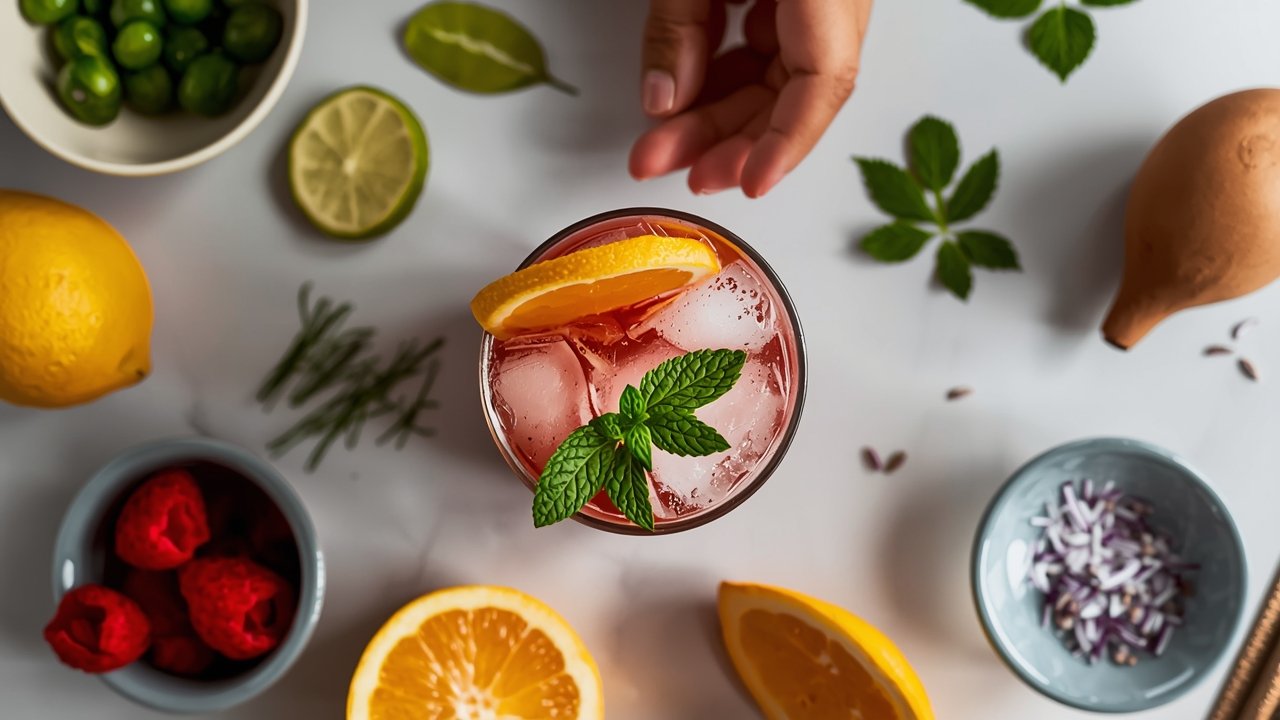
Building your mocktail pantry is simpler than you think—most ingredients are fresh produce and basic staples you probably already use for cooking. I keep a core collection of about 10 items that let me make 20+ different mocktail variations without special shopping trips. The beauty of how to make mocktails ultimate guide is that once you understand the basic formula (base liquid + acid + sweetness + aromatics), you can improvise endlessly with whatever you have on hand.
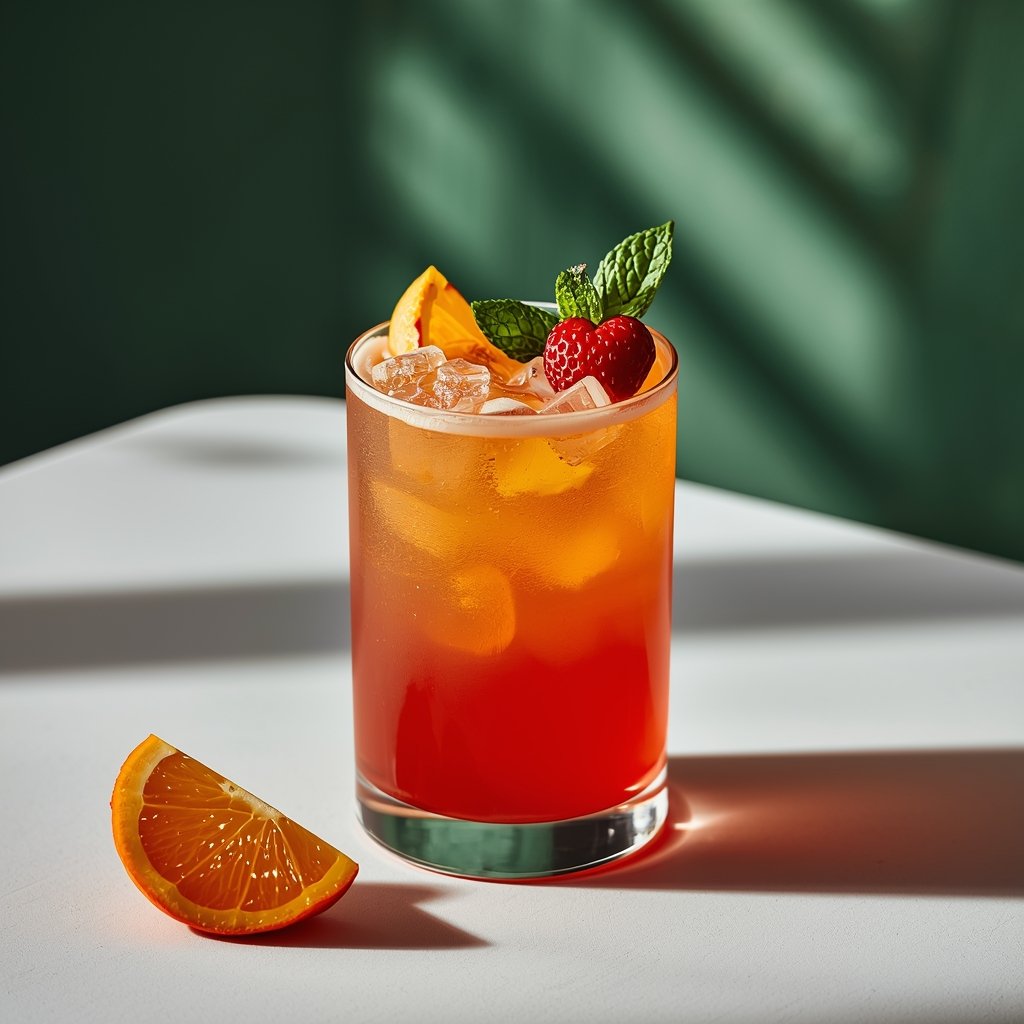
Mocktails Recipe (5 Ingredients) | Starbucks Copycat
Ingredients
Method
-
Understand the basic mocktail formula: base liquid + acid + sweetness + aromatics
-
Prepare fresh citrus juice by squeezing lemons, limes, or oranges for brightness and acidity
-
Make simple syrup by combining equal parts sugar and water, heating until dissolved, then cooling; keeps refrigerated for one month
-
Muddle fresh herbs like mint or basil in a glass to release essential oils and aromatic complexity
-
Combine base liquid (premium fruit juice or coconut water), fresh citrus juice, simple syrup, and aromatics in a glass
-
Add a few dashes of bitters to add depth and transform flat drinks
-
Fill glass with ice and top with sparkling water or club soda for effervescence
-
Garnish with edible flowers, fresh herbs, or citrus wheels for Instagram-worthy presentation
Core Ingredients for Any Mocktail
- Fresh citrus fruits (lemons, limes, oranges) – Provides essential acidity and brightness that balances sweetness; fresh juice tastes exponentially better than bottled
- Sparkling water or club soda – Adds effervescence and lightness without calories or sugar; the carbonation makes drinks feel more sophisticated
- Simple syrup (1:1 sugar to water ratio) – Dissolves instantly in cold drinks unlike granulated sugar; takes 5 minutes to make and keeps for a month refrigerated
- Fresh herbs (mint, basil, rosemary) – Contributes aromatic complexity and visual appeal; muddling releases essential oils that elevate the entire drink
- Premium fruit juices (cranberry, pineapple, pomegranate) – Forms the flavor base; choose 100% juice without added sugars for best results and natural color
- Bitters (Angostura or aromatic bitters) – Despite the name, most bitters contain negligible alcohol (like vanilla extract) and add depth; a few dashes transform flat drinks
- Fresh ginger – Brings spicy warmth and digestive benefits; muddle slices or make ginger syrup for consistent flavor
- Coconut water or coconut cream – Provides natural sweetness and tropical flavor; coconut cream adds luxurious texture to creamy mocktails
Optional Toppings & Add-Ins
- Edible flowers (hibiscus, lavender, rose petals)
- Frozen fruit cubes (prevents dilution while chilling)
- Cucumber ribbons or wheels
- Flavored ice cubes (frozen juice or herbs in water)
- Rimming salts or sugars
- Specialty garnishes (citrus twists, fruit skewers)
Ingredient Substitutions That Work
- Simple syrup → Honey or agave nectar (use slightly less as both are sweeter; honey adds floral notes while agave is more neutral)
- Sparkling water → Tonic water or ginger beer (adds distinct flavor; tonic brings bitterness, ginger beer adds spice and sweetness)
- Fresh citrus juice → Bottled citrus in a pinch (expect 20-30% flavor reduction; fresh is always worth it but bottled works for large batches)
- Fresh herbs → Dried herbs at 1/3 the amount (muddle more aggressively; flavor will be less vibrant but still pleasant)
- Coconut water → Plain water plus a splash of juice (loses electrolytes but maintains hydration; adjust sweetness accordingly)
I source my herbs from a small windowsill garden—basil and mint grow easily year-round and cost pennies compared to $3.99 grocery store packages that wilt in days. Never substitute bottled lemon or lime juice for fresh in citrus-forward drinks like virgin mojitos or margaritas; the difference is immediately obvious and disappointing. For syrups, making your own lets you control sugar levels and infuse custom flavors that aren't available in stores.
How to Make Perfect Mocktails Ultimate Guide (Step-by-Step)
Creating exceptional mocktails follows a proven formula I've refined through hundreds of drinks. The key isn't complicated techniques—it's understanding how flavors layer and balance. You'll have a beautiful, delicious mocktail ready in 5-10 minutes using this systematic approach that works for virtually any flavor combination you dream up.
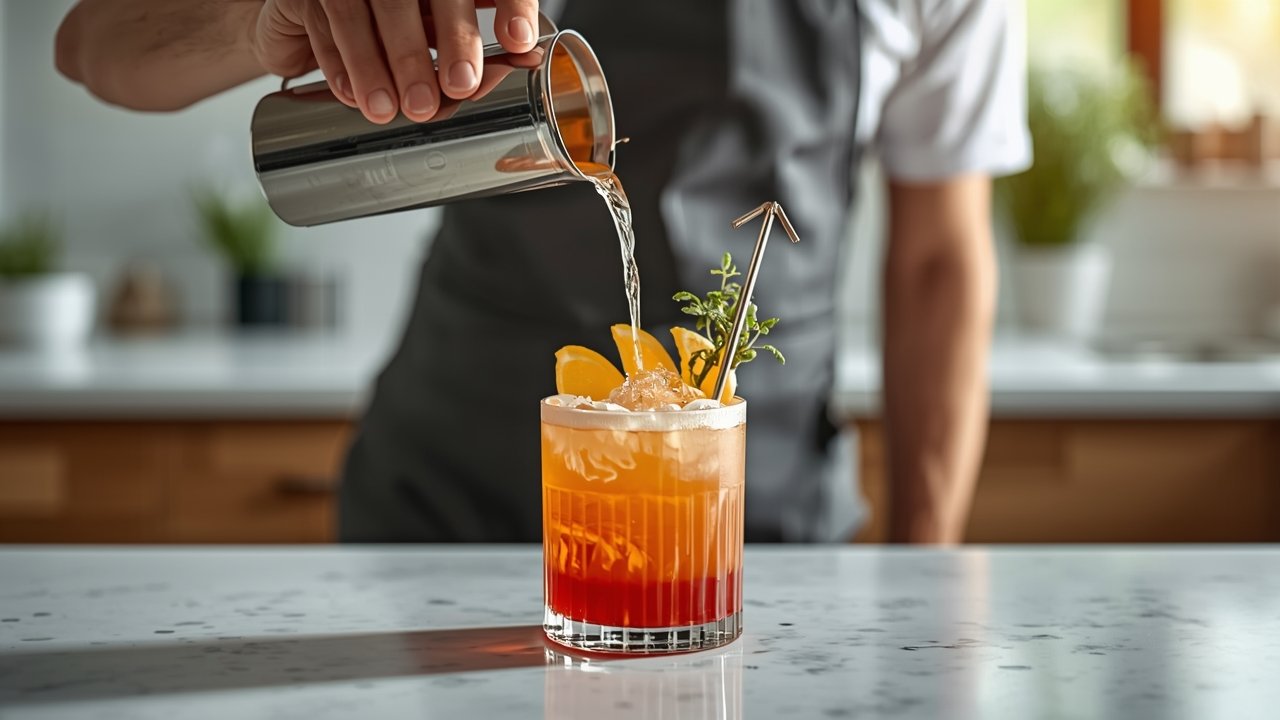
Step 1: Prepare Your Glass and Fresh Ingredients
Select the appropriate glassware for your mocktail style—tall Collins glasses for fizzy drinks, rocks glasses for muddled cocktails, or coupe glasses for elegant presentations. Chill your glass in the freezer for 10 minutes before making the drink, which keeps everything colder longer and prevents ice from melting too quickly. Wash and prep all fresh ingredients: slice citrus into wheels or wedges, pick herb leaves from stems, and cut any fruit garnishes. This mise en place approach prevents scrambling mid-recipe and ensures ingredients are at peak freshness.
Step 2: Muddle Herbs and Aromatics
Place fresh herbs, citrus pieces, or ginger slices in the bottom of your glass or cocktail shaker. Use a muddler or the handle of a wooden spoon to gently press and twist—you're releasing essential oils, not pulverizing into mush. Press 6-8 times with medium pressure until you smell the aromatics intensifying. Over-muddling herbs creates bitter, grassy flavors, while under-muddling leaves flavor locked inside. You'll see the leaves bruise and darken slightly when done correctly.
Step 3: Add Sweetener and Citrus Juice
Pour your simple syrup, honey, or agave into the glass first—starting with 1/2 ounce (1 tablespoon) for a single serving. Add freshly squeezed citrus juice next, typically 3/4 to 1 ounce depending on tartness preference. If using a shaker, add these components to the muddled ingredients and shake vigorously for 10 seconds to blend and chill. The order matters: sweetener dissolves better when it hits the glass first, and citrus acid helps extract more flavor from muddled ingredients.
Step 4: Add Base Liquid and Ice
Fill your glass two-thirds full with ice cubes—use large cubes or spheres if possible since they melt slower than crushed ice. Pour your base liquid (juice, coconut water, or flavored base) over the ice, leaving about an inch of space at the top. Stir gently with a bar spoon for 5 seconds to integrate the layers without over-diluting. You should see the colors start to blend while still maintaining some visual definition between layers.
Step 5: Top with Sparkling Element
Add your sparkling water, tonic, or ginger beer as the final layer, pouring slowly down the side of the glass to preserve carbonation. This topping adds lift and prevents the drink from tasting heavy or syrupy. Never shake carbonated ingredients—you'll lose the fizz entirely. Fill to about 1/4 inch from the rim, allowing space for garnishes and preventing spills.
Step 6: Garnish and Serve Immediately
Add your garnish with intention—it should complement the flavors inside, not just look pretty. Slap herb sprigs between your hands before placing them (releases aromatics), express citrus peels over the drink (oils add fragrance), and position garnishes where they're functional for stirring or sipping. Serve immediately while ice-cold and carbonation is at peak; mocktails don't improve with sitting. Hand your guest a straw or stirrer if the drink has muddled bits at the bottom.
🔥 Pro Tips from My Kitchen
- Freeze citrus wheels or herb leaves in ice cubes for gorgeous presentation that doesn’t dilute flavor as it melts
- Make flavored simple syrups in batches (mint, ginger, vanilla) and refrigerate for 2-3 weeks of instant mocktail upgrades
- Use a vegetable peeler for citrus twists—avoid the white pith which adds bitterness, taking only the colorful zest layer
- Pre-batch non-carbonated components for parties; add sparkling water and ice when serving to maintain freshness
- Taste before garnishing—you can always add sweetness or acid but can’t remove it once the drink is assembled
Mocktails Ultimate Guide Nutrition Facts
Nutritional values vary significantly based on ingredients, but most mocktails in this guide range from 80-150 calories per serving—dramatically fewer than alcoholic cocktails which carry empty calories from spirits plus mixers. These numbers reflect a standard 12-ounce serving using the recipes exactly as written with regular simple syrup.
| Nutrient | Per Serving |
|---|---|
| Calories | 80-120 kcal |
| Total Fat | 0g |
| Carbohydrates | 18-28g |
| Sugar | 16-24g |
| Protein | 0-1g |
| Sodium | 5-15mg |
Nutrition varies based on your sweetener choice, juice types, and portion sizes. The sugar content comes primarily from simple syrup and fruit juices—both natural sources that include vitamins and antioxidants, unlike refined sodas. Mocktails made with coconut water provide electrolytes, while those featuring fresh citrus deliver vitamin C and immune support.
How to Make Mocktails Ultimate Guide Healthier
The beauty of making mocktails at home is complete control over ingredients, letting you reduce calories and sugar without sacrificing flavor. I regularly make these modifications depending on the occasion—full-sugar versions for special celebrations, lighter versions for everyday refreshment.
- Cut calories by 40-60%: Replace simple syrup with stevia or monk fruit sweetener (start with half the amount and adjust to taste; zero calories but same sweetness)
- Reduce sugar naturally: Use 50% less syrup and add extra muddled fruit for natural sweetness with fiber (1/2 tablespoon instead of 1 tablespoon saves 30 calories)
- Increase nutrient density: Swap half the juice with coconut water for electrolytes, potassium, and lower sugar content (adds only subtle coconut flavor)
- Add functional ingredients: Include fresh turmeric, ginger, or matcha powder for anti-inflammatory benefits without changing taste significantly
- Boost hydration: Use extra sparkling water and less juice to increase volume with zero calories while maintaining flavor presence
- Make it filling: Add chia seeds or fresh mint which aid digestion and create a more satisfying drink that prevents snacking
- Choose smart bases: Opt for 100% cranberry or pomegranate juice (diluted) over pineapple or mango which are significantly higher in sugar
I personally use half the recommended simple syrup in most recipes since I find restaurant versions too sweet. The slight reduction maintains balance while letting fresh fruit and herb flavors shine more prominently—my friends actually prefer the less-sweet versions after trying both side-by-side in taste tests.
Essential Tools for Perfect Mocktails Ultimate Guide
1. Glass Pitcher with Lid – Batch Prep Game Changer
Large Glass Pitcher with Airtight Lid
A quality glass pitcher transforms mocktail prep from tedious individual servings to efficient batch cocktails for parties. I use mine for pre-mixing the non-carbonated base of popular mocktails, storing them refrigerated until guests arrive, then simply adding ice and sparkling water to serve. Glass won’t absorb flavors or odors like plastic pitchers, and the clear walls let you showcase beautiful layered colors. A pitcher with measurements marked on the side eliminates guessing when scaling recipes from one serving to eight.
2. Torani Syrup Variety Pack – Authentic Flavor Shortcuts
Torani Sugar-Free Syrup Variety Pack
Torani syrups provide consistent, professional flavoring without the hassle of making specialty syrups from scratch—their sugar-free line offers vanilla, caramel, hazelnut, and fruit flavors at zero calories. These are the exact syrups used in coffee shops and bars, so your mocktails achieve that commercial taste authenticity. A single bottle makes 30-40 drinks and stays fresh for months after opening, making the per-drink cost about 25 cents compared to $2-3 for specialty ingredients.
3. Stainless Steel Cocktail Muddler – Professional Results
Stainless Steel Muddler with Non-Slip Grip
A proper muddler releases essential oils from herbs and citrus without destroying them into bitter pulp—something wooden spoon handles can’t do effectively. Stainless steel won’t absorb flavors, splinter, or harbor bacteria like wooden muddlers, and the textured bottom grips ingredients efficiently. This single tool elevates mojitos, smashes, and herb-forward mocktails from amateur to professional quality, and it’s the piece of equipment I reach for most frequently in my mocktail making.
4 Mistakes That Ruin Mocktails (And How to Fix Them)
Mistake #1: Using Too Much Ice or Wrong Ice Size
The Problem: Small ice cubes or crushed ice melt rapidly, over-diluting your carefully balanced mocktail within 5 minutes. You end up with a watery, flavorless drink that tastes nothing like the first sip, and guests complain about weak drinks.
The Fix: Use large ice cubes (1.5-2 inch) or ice spheres that melt 40-50% slower than standard cubes. Fill the glass two-thirds full rather than to the brim—you need room for liquid, and too much ice paradoxically causes more dilution as drinks take longer to consume.
Mistake #2: Adding Sparkling Water Too Early or Shaking It
The Problem: Shaking or stirring carbonated ingredients destroys the bubbles instantly, leaving you with a flat mocktail. Pre-mixing sparkling water more than 2 minutes before serving results in the same disappointing, lifeless texture.
The Fix: Always add sparkling water, tonic, or ginger beer as the absolute last step, pouring gently down the side of the glass. Prepare all other components first (muddled herbs, syrups, juices), then top with carbonation right before serving and give only the gentlest stir if needed.
Mistake #3: Over-Muddling Herbs Until They’re Pulverized
The Problem: Aggressive muddling bruises herbs past the point of releasing essential oils and starts breaking down cell walls, releasing chlorophyll and creating bitter, grassy, unpleasant flavors. Your drink tastes like a salad instead of refreshing and aromatic.
The Fix: Muddle with 6-8 gentle presses and twists—you should see leaves darken slightly and smell intense aromatics, but leaves should remain mostly intact. Think “bruise” not “destroy”—you’re coaxing out oils, not making pesto.
Mistake #4: Not Tasting and Balancing Before Garnishing
The Problem: Everyone’s taste preferences differ, and ingredient acidity varies (lemons aren’t always equally tart). Serving without tasting means potentially handing guests a drink that’s too sweet, too sour, or too weak.
The Fix: Always taste before adding garnish using a small spoon or straw. Adjust sweetness with more syrup, tartness with citrus juice, or dilution with sparkling water. Remember: you can add but never remove—start conservative and build up.
Storing Your Mocktails (Make-Ahead Guide)
Most mocktails taste best when consumed immediately due to carbonation and fresh ingredient degradation, but smart preparation strategies let you prep components in advance for effortless party hosting. I use this approach for gatherings of 8+ people when making individual drinks becomes impractical.
Immediate consumption: Drink within 5-10 minutes of preparation for optimal carbonation, ice-cold temperature, and fresh herb aromatics. This applies especially to fizzy mocktails topped with sparkling water.
Refrigeration of components: Pre-mix all non-carbonated ingredients (juices, syrups, muddled herbs) and store in an airtight container for up to 24 hours. Fresh citrus juice holds flavor well for one day but degrades significantly after that. Add ice and sparkling elements only when serving.
Simple syrup storage: Homemade simple syrups keep 3-4 weeks refrigerated in a sealed jar. Infused syrups (ginger, herb, fruit) last 2 weeks due to the organic matter. Make these well in advance for instant flavor.
Herb and fruit prep: Wash and portion herbs and fruit garnishes the morning of your event, storing them covered with damp paper towels in the refrigerator. They'll stay fresh and perky for 8-12 hours.
Freezing options: Freeze leftover mocktails as popsicles or in ice cube trays for blended drinks later. Straight freezing doesn't work well since carbonation is lost, but the frozen cubes make excellent flavor-boost ice that won't dilute fresh mocktails.
My personal make-ahead routine involves preparing all syrups and garnishes on Friday for Saturday entertaining, then setting up a mocktail "station" with labeled containers and a recipe card so guests can build their own drinks with pre-measured components.
Mocktails Ultimate Guide Recipe FAQs
Can I make mocktails ahead of time for a party?
Yes, but with strategic component prep rather than fully assembled drinks. Mix all non-carbonated ingredients (juices, syrups, muddled herbs) up to 24 hours ahead and refrigerate in a sealed pitcher or bottles. When guests arrive, pour the pre-mixed base over ice and top with sparkling water or tonic. This approach gives you 90% of the work done while maintaining fresh taste and carbonation. Fully assembled mocktails lose fizz within 10-15 minutes and ice dilutes them significantly, so they never work well made in advance. I prep bases for 3-4 different mocktail options before parties and let guests choose which they’d like.
What’s the difference between homemade mocktails and bar/restaurant versions?
Homemade mocktails typically taste fresher and less sweet since you control sugar levels and use real fruit instead of commercial sour mixes. Restaurant mocktails often cost $8-14 and rely on pre-made syrups for consistency across hundreds of drinks, while your home versions use fresh-squeezed citrus and real herb muddling for about $2-3 per serving. The customization advantage at home is huge—you can adjust sweetness, make it sugar-free, increase or decrease carbonation, and use organic ingredients. That said, high-end cocktail bars with dedicated mocktail programs might have access to specialty ingredients (exotic bitters, house-made shrubs) that require more effort to source at home. For 90% of popular mocktails, homemade equals or exceeds commercial quality at a fraction of the price.
Can I make mocktails without a muddler or cocktail shaker?
Absolutely—use the handle of a wooden spoon for muddling herbs and citrus, pressing firmly in a sturdy glass. For shaking, any jar with a tight-fitting lid works perfectly (mason jars are ideal since they’re designed not to leak). The key is achieving the same results: releasing herb oils through pressure and chilling/mixing ingredients through agitation. I started making mocktails with zero specialized equipment and still got excellent results. A muddler costs $8-12 and makes the process more efficient, but it’s definitely not required for getting started. One alternative to shaking: stir vigorously with a long spoon for 15-20 seconds to mix and slightly chill ingredients, though you won’t get quite as cold or integrated as shaking with ice.
How do I make mocktails less sweet or lower calorie?
Cut the simple syrup quantity in half (use 1/2 tablespoon instead of 1 tablespoon) and compensate with extra muddled fresh fruit for natural sweetness—this reduces calories by 30-40 per drink. Switch to zero-calorie sweeteners like stevia or monk fruit, starting with half the amount since they’re sweeter than sugar. Dilute fruit juices 50/50 with sparkling water to maintain flavor while halving sugar content. My preferred method is using 3/4 of the called-for sweetener since most recipes are formulated for extremely sweet American palates. The taste difference is barely noticeable, but you save 45-60 calories per drink. For the biggest impact, use fresh citrus and herbs generously—their intense flavors make drinks taste complex and satisfying without requiring heavy sweetness to balance them.
Why doesn’t my mocktail taste like the restaurant version?
The most common culprits are using bottled lemon/lime juice instead of fresh (creates flat, artificial taste), over-sweetening or under-sweetening (commercial drinks are precisely measured), or skipping the carbonation/bitters that add complexity. Fresh ingredients make a 70% difference in quality—grocery store “lemon juice” tastes completely different from juice squeezed 30 seconds ago. Temperature matters hugely too; room-temperature mocktails taste significantly worse than properly chilled ones served over large ice. Check your ratios carefully and measure precisely rather than eyeballing, especially for your first few attempts. Finally, quality of base ingredients (premium tonic water versus generic, real ginger beer versus ginger ale) dramatically impacts the final result. I’d rather make a simple mocktail with excellent ingredients than a complex one with mediocre components.
Are mocktails suitable for kids, or do they contain alcohol?
Mocktails are completely alcohol-free and safe for children, pregnant women, and anyone avoiding alcohol. The only ingredient to watch is bitters, which contain a tiny amount of alcohol similar to vanilla extract (0.5% or less)—generally considered negligible, but you can omit them entirely or use alcohol-free bitters if concerned. Some recipes use non-alcoholic spirits or wine alternatives which are also zero-alcohol. I serve these mocktails to my kids regularly, though I sometimes reduce sweetness for them since children don’t need restaurant-level sugar amounts. Mocktails make kids feel included in adult celebrations without any intoxicating ingredients, which I appreciate far more than serving them soda.
What equipment do I really need to start making mocktails?
You can start with items you already own: a tall glass, a spoon for stirring, a fork for muddling in a pinch, and a sharp knife for citrus. That’s genuinely enough for basic mocktails. If you make them regularly, three tools improve results dramatically: a muddler for releasing herb oils ($8-12), a cocktail shaker or mason jar for mixing ($10-15), and a citrus juicer for fresh juice ($8-10). Everything else is optional extras. Large ice cube trays ($12) upgrade texture by slowing dilution. A bar spoon ($6) makes stirring easier but isn’t essential. Fancy glassware looks beautiful but doesn’t affect taste—I use regular drinking glasses constantly. Start with what you have, make a few mocktails, then invest in tools based on what you found annoying or difficult.
Final Thoughts on Making Mocktails at Home
This Mocktails Ultimate Guide gives you everything needed to create sophisticated, delicious non-alcoholic drinks that rival anything you'd pay $8-14 for at bars or restaurants. You'll save $5-10 per drink by making mocktails at home, invest only 5-10 minutes of active time, and achieve authentic restaurant-quality taste using the techniques and ratios I've refined through hundreds of experiments. The cost savings add up incredibly fast—a family of four can enjoy premium mocktails all weekend for what two drinks cost at a restaurant.
I genuinely encourage you to try making your first mocktail this week, even if you've never made cocktails before. The recipes in this Mocktails Ultimate Guide use straightforward techniques, and it's virtually impossible to make something undrinkable if you follow the measurements. Don't worry if your first attempt isn't perfect—mine certainly wasn't when I started, but I learned something valuable with each drink. By your third or fourth mocktail, you'll be improvising confidently and creating custom combinations your friends request by name.
I make mocktails 3-4 times weekly now because they've become our household's healthier alternative to wine with dinner and sodas with meals. My husband actually prefers a well-crafted mocktail to beer on hot summer evenings, and our dinner guests consistently ask for recipes before leaving. There's something special about serving yourself a beautiful, intentional beverage rather than defaulting to water or juice—it makes ordinary evenings feel more celebratory without any alcohol.
If you tried recipes from this Mocktails Ultimate Guide, please leave a star rating below and let me know which mocktail became your favorite in the comments! I read every single one and love hearing about your Mocktails Ultimate Guide creations and variations.
Save this recipe by pinning it to Pinterest or bookmarking this page—you’ll want to reference this Mocktails Ultimate Guide again and again when hosting parties or just treating yourself!