

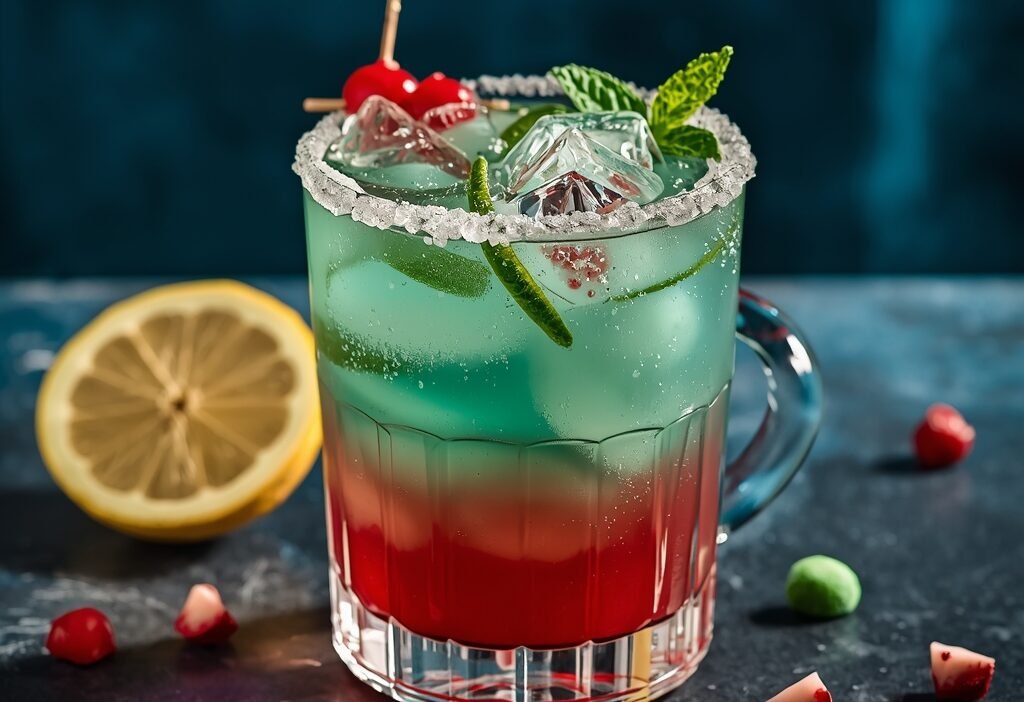
What You Need to Know About Ramadan Drinks
Ramadan drinks are traditional refreshing beverages served during iftar to break the fast, featuring hydrating ingredients like dates, rose water, tamarind, and fruit juices that restore energy and nutrients. This collection of authentic Ramadan drinks recipes brings you the most beloved Middle Eastern and South Asian beverages made at home with simple ingredients, giving you restaurant-quality ramadan drinks for just $1.50 per serving compared to $5-7 at specialty cafes. You’ll master 5 essential Ramadan drinks ready in 10 minutes or less with ingredients available at any international grocery store.
Why You’ll Love These Ramadan Drinks Recipes
After making Ramadan drinks for over 15 years and testing dozens of variations across different cultures, I’ve learned exactly what makes these beverages so special during the holy month. These aren’t just drinks—they’re a centuries-old tradition designed specifically to rehydrate and nourish the body after a long day of fasting. Every Ramadan, my family looks forward to these homemade versions as much as the meal itself.
What makes these recipes exceptional is their authenticity combined with modern convenience. While traditional Ramadan drinks from Middle Eastern restaurants cost $5-7 per glass, you’ll make superior versions at home for approximately $1.50 per serving. The total time investment is just 10 minutes, with most drinks requiring only 5 minutes of active preparation. No special cooking skills needed—if you can measure and stir, you can master every Ramadan drink in this guide.
You’ll learn the proper techniques for blooming rose water, balancing tamarind’s tartness, and achieving that signature creamy texture in Jallab. These are the exact methods I’ve refined through years of Ramadan hosting, recipe testing, and feedback from Middle Eastern friends who’ve shared their family secrets with me.
⚡ Recipe Quick Facts
What Are Ramadan Drinks? (The Inside Scoop)
Ramadan drinks are specially crafted beverages served during iftar (the meal breaking the daily fast) that combine hydrating liquids with natural sugars, electrolytes, and nutrients to quickly restore the body after 12-16 hours without food or water. These drinks originated across the Middle East, North Africa, and South Asia, with each region developing signature beverages using local ingredients like dates, tamarind, rose water, hibiscus, and yogurt.
The tradition of Ramadan drinks dates back centuries when communities discovered that certain ingredient combinations helped fasters rehydrate more effectively than plain water. During Ramadan, these beverages become menu staples at Middle Eastern restaurants, Mediterranean cafes, and specialty beverage shops. They’re considered essential to the iftar experience, often served immediately when breaking fast at sunset.
The flavor profiles vary dramatically by type—Jallab offers sweet date molasses richness with floral rose water notes and a creamy finish, while Qamar al-Din delivers concentrated apricot sweetness with tartness. Tamarind juice provides a unique sweet-sour complexity, Ayran brings cooling saltiness, and hibiscus tea (Karkade) offers refreshing tartness. The textures range from thick and syrupy to light and frothy, but all share exceptional refreshment qualities.
At specialty Middle Eastern cafes, authentic Ramadan drinks cost between $5-7 for a medium serving. Premium versions with extra garnishes or imported ingredients can reach $9-12. These prices add up quickly when serving a family throughout the month.
Making Ramadan drinks at home is dramatically better for several reasons. You’ll spend just $1.50 per generous serving while controlling sugar levels to your preference. You can source higher-quality ingredients like real rose water and pure tamarind versus commercial concentrates. There’s no driving to specialty shops during the busy iftar rush, and you can prepare pitchers in advance for the entire week.
Essential Ramadan Drinks Ingredients (What You’ll Need)
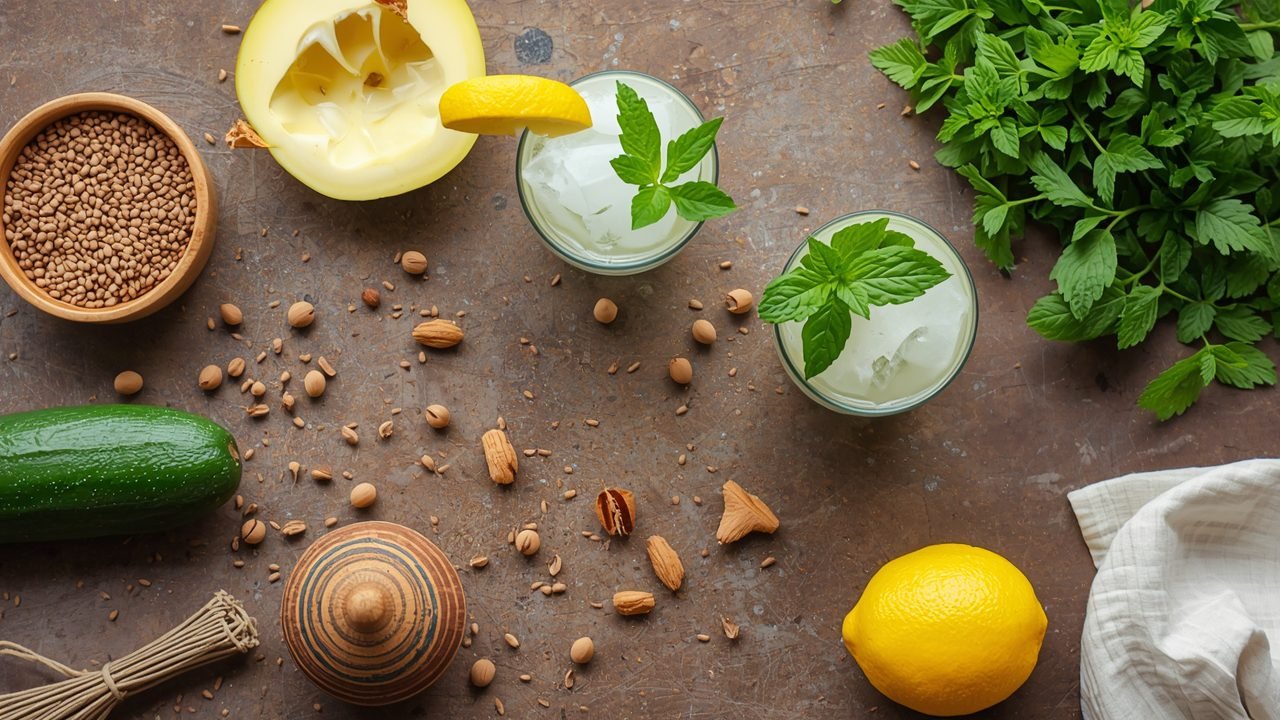
The beautiful thing about Ramadan drinks is that most ingredients are shelf-stable and available year-round at international grocery stores or Middle Eastern markets. A few specialty items like rose water and date molasses might require a trip to an ethnic market or Amazon order, but they last for months and elevate these drinks from ordinary to authentic. You probably already have sugar, water, and ice in your kitchen, which covers the basics for several recipes.
I’ll walk you through five essential Ramadan drinks, but the ingredient lists overlap significantly—buying rose water, for example, works for multiple recipes.
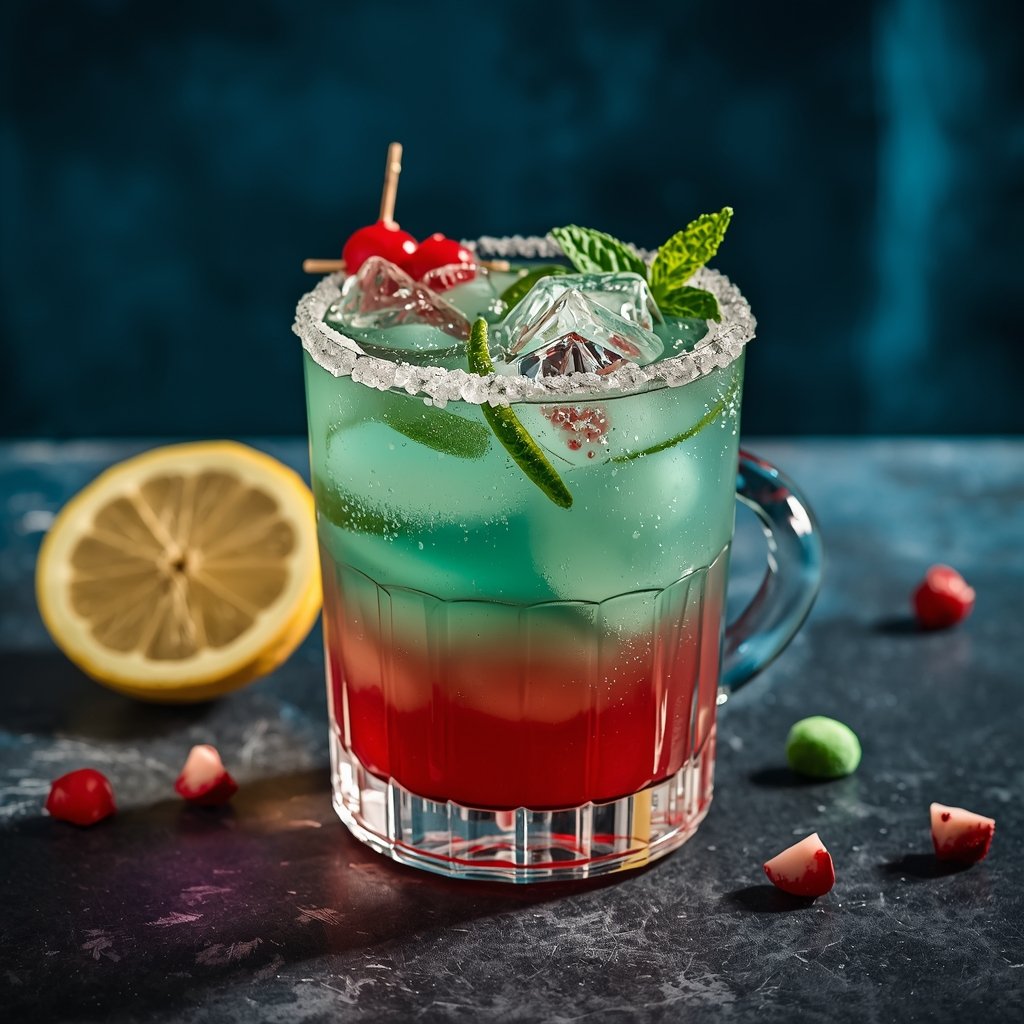
Ramadan Drinks Recipe (3 Ingredients) | Starbucks Copycat
Ingredients
Method
-
Combine date molasses and rose water in a pitcher
-
Add orange blossom water and stir well to combine
-
Pour in cold water and mix thoroughly
-
Add ice cubes and serve immediately
Core Ingredients for Jallab (Date & Rose Drink)
- ½ cup date molasses (dibs) – Provides the signature deep sweetness and rich brown color; this is the soul of Jallab
- 2 tablespoons rose water – Adds the distinctive floral aroma that makes Jallab instantly recognizable; use food-grade quality
- 1 tablespoon orange blossom water – Contributes subtle citrus-floral complexity that balances the dates
- 6 cups cold water – Dilutes the concentrated molasses to drinkable consistency
- 2 cups ice cubes – Essential for serving ice-cold, which intensifies refreshment
- ¼ cup pine nuts – Traditional topping that adds buttery crunch
- ¼ cup golden raisins – Soaked garnish that becomes plump and sweet
Core Ingredients for Qamar al-Din (Apricot Nectar)
- 8 oz dried apricot leather (qamar al-din sheets) – The compressed apricot paste that reconstitutes into thick nectar
- 6 cups water – Used to dissolve and dilute the apricot leather
- 2-4 tablespoons sugar – Adjusts sweetness since apricot leather varies in tartness
- 1 tablespoon rose water – Optional but traditional, adds aromatic depth
- Juice of 1 lemon – Brightens the flavor and prevents overly sweet heaviness
Core Ingredients for Tamarind Juice (Tamr Hindi)
- 1 cup tamarind paste (or 2 cups tamarind pods) – The tangy-sweet base that defines this drink
- 8 cups water – Extracts and dilutes the concentrated tamarind flavor
- ½ cup sugar – Balances tamarind’s natural tartness; adjust to taste
- 1 teaspoon rose water – Optional enhancement that adds Middle Eastern character
- Pinch of salt – Enhances flavors and adds electrolytes for rehydration
Core Ingredients for Ayran (Yogurt Drink)
- 2 cups plain yogurt – Full-fat works best for creamy texture; Greek yogurt makes it thicker
- 2 cups cold water – Thins yogurt to drinkable consistency
- ½ teaspoon salt – Essential for authentic savory Ayran; this isn’t a sweet drink
- 1 cup ice cubes – Serves it properly chilled
- Fresh mint leaves – Optional garnish that adds refreshing aroma
Core Ingredients for Karkade (Hibiscus Tea)
- 1 cup dried hibiscus flowers – Creates the vibrant ruby-red color and tart flavor
- 8 cups water – Steeps the hibiscus to extract flavor and color
- ½ cup sugar – Sweetens the naturally tart hibiscus; adjust to preference
- 2 tablespoons lemon juice – Enhances tartness and brightens the color
- Fresh mint – Traditional garnish that complements hibiscus beautifully
Ingredient Substitutions That Work
- Date molasses → Date syrup (sold as “silan”) works identically; avoid substituting with regular molasses which has a bitter edge
- Rose water → Orange blossom water alone can work, but you’ll lose that signature floral note; never use rose extract which is too concentrated
- Tamarind paste → Tamarind concentrate requires less (use 3 tablespoons per cup of paste called for); fresh tamarind pods are more work but superior flavor
- Plain yogurt → Labneh thinned with extra water creates ultra-creamy Ayran; avoid flavored yogurts which add wrong sweetness
- Dried hibiscus → Hibiscus tea bags work (use 8-10 bags) but loose flowers give better color and flavor control
After testing these recipes with various ingredient qualities, I’ve found that rose water and date molasses are worth buying premium versions—cheap rose water often tastes soapy, and quality date molasses has complex caramel notes absent in budget brands. I source my rose water from Middle Eastern markets where turnover is high, ensuring freshness. For tamarind, the block paste requires more work than concentrate but delivers noticeably better flavor, so I keep both on hand depending on time available.
How to Make Ramadan Drinks (Step-by-Step)
These Ramadan drinks are genuinely simple—most involve dissolving, steeping, or blending ingredients rather than any complex cooking techniques. The most time-consuming part is waiting for certain drinks to chill properly, but active hands-on time rarely exceeds 10 minutes. You’ll achieve restaurant-quality results on your first attempt by following these tested methods.
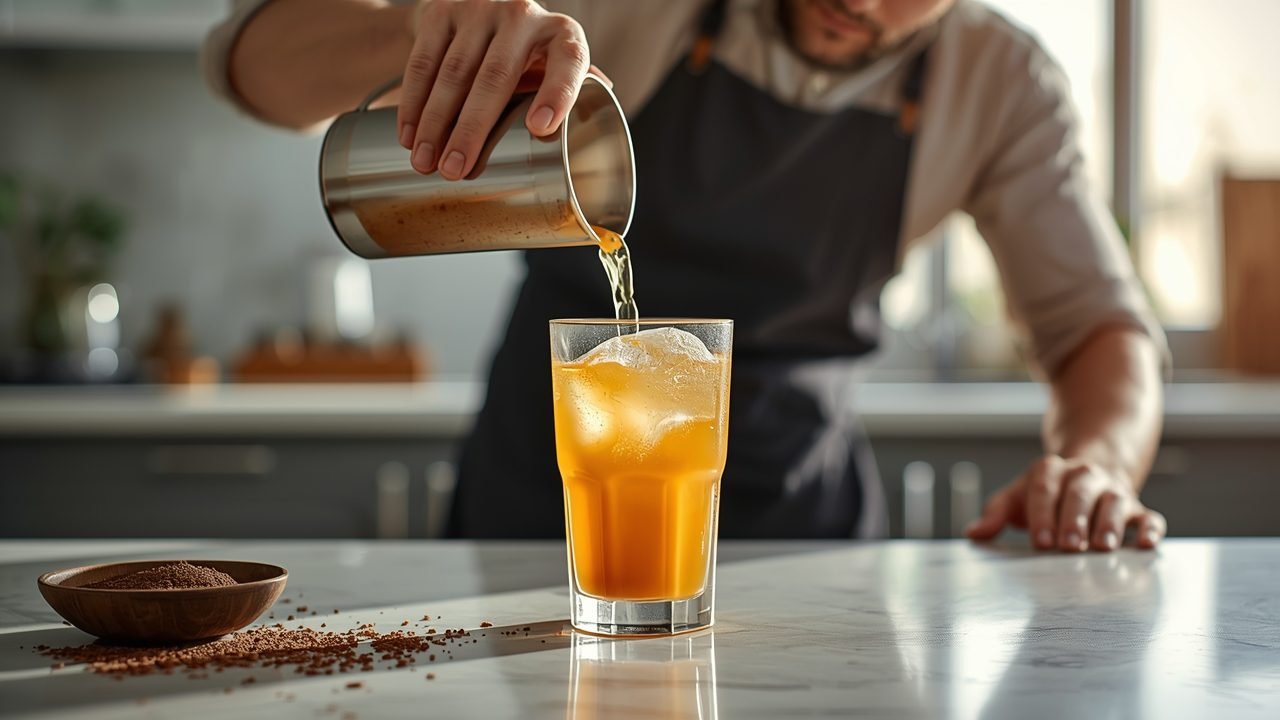
Step 1: Prepare Jallab Base
Combine ½ cup date molasses with 2 cups warm water in a large pitcher and whisk vigorously for 30-45 seconds until the molasses completely dissolves with no lumps. Add 2 tablespoons rose water, 1 tablespoon orange blossom water, and the remaining 4 cups cold water, stirring to incorporate. The mixture should be deep brown with a floral aroma—if you can’t smell the rose water distinctly, add another teaspoon since potency varies by brand. Refrigerate for at least 1 hour or until thoroughly chilled; Jallab must be ice-cold to taste right.
Step 2: Prepare Qamar al-Din (Apricot Nectar)
Tear the apricot leather sheets into small pieces (about 1-inch squares) and place in a large bowl with 6 cups room temperature water. Let soak for 2-3 hours or overnight, stirring occasionally to help dissolution—the leather will gradually soften and cloud the water. Once fully dissolved, blend the mixture in batches for 30 seconds until completely smooth with no chunks. Strain through a fine-mesh sieve to remove any remaining pulp, pressing with a spoon to extract all liquid. Stir in sugar starting with 2 tablespoons, tasting and adding more as needed since apricot sweetness varies. Add rose water and lemon juice, then refrigerate until serving time.
Step 3: Make Tamarind Juice
If using tamarind paste, place 1 cup in a large bowl with 4 cups hot water and let soak for 20 minutes, breaking up the paste with a spoon as it softens. Mash and squeeze the mixture with your hands to extract maximum flavor—it should look muddy and thick. Strain through a fine-mesh sieve into a pitcher, pressing firmly to extract all liquid and leaving only fibrous pulp and seeds behind. Add remaining 4 cups cold water, ½ cup sugar, rose water if using, and a pinch of salt. Stir until sugar completely dissolves, then taste—tamarind intensity varies, so adjust water if too strong or add more paste if too weak. Chill thoroughly before serving over ice.
Step 4: Whip Up Ayran
Add 2 cups plain yogurt, 2 cups cold water, and ½ teaspoon salt to a blender and blend on medium speed for 20-30 seconds until completely smooth and slightly frothy. The mixture should be thinner than smoothie consistency but thicker than milk. Taste and add a bit more salt if needed—Ayran should be noticeably savory, not bland. Pour over ice and serve immediately, garnished with fresh mint. The key mistake people make is under-salting; authentic Ayran is a savory drink that tastes wrong if you’re expecting sweetness.
Step 5: Brew Karkade (Hibiscus Tea)
Bring 8 cups water to a boil, remove from heat, and add 1 cup dried hibiscus flowers. Cover and steep for 15-20 minutes—the water will turn deep ruby red. Strain out the flowers, pressing them gently to extract remaining liquid and color. Stir in ½ cup sugar while the tea is still warm so it dissolves easily, adjusting sweetness to your preference. Add 2 tablespoons lemon juice which brightens both flavor and color. Refrigerate until ice-cold, at least 2 hours. Karkade is traditionally served very cold with fresh mint, and the tartness should be pronounced but balanced by sweetness.
Step 6: Garnish and Serve
For Jallab, fill tall glasses with ice, pour the chilled drink, and top with a spoonful of raisins and pine nuts. The garnishes will float beautifully and add textural contrast. For Qamar al-Din, serve in shorter glasses over ice, optionally garnished with a mint sprig. Tamarind juice looks stunning in clear glasses where you can see its rich brown color. Ayran should be poured into glasses immediately after blending while still frothy. Karkade’s vibrant red deserves clear glassware and a mint garnish.
Step 7: Adjust to Taste Before Full Batch
Always taste your first small test batch before making a full pitcher for guests. Ramadan drinks have flexible sweetness levels based on personal preference and ingredient variability. Date molasses sweetness varies by brand, tamarind tartness differs between batches, and rose water potency ranges dramatically. Start conservative with rose water and sugar, then adjust upward—it’s easier to add more than to fix an oversweetened or over-perfumed drink.
🔥 Pro Tips from My Kitchen
- Chill all Ramadan drinks to near-freezing temperatures—they taste significantly better ice-cold and provide maximum refreshment after fasting
- Make drinks 24 hours ahead when possible; flavors meld and improve overnight, especially Jallab and tamarind juice
- Keep rose water refrigerated after opening and replace annually—stale rose water develops an unpleasant soapy taste that ruins drinks
- Soak raisins and pine nuts for Jallab in a small amount of the drink itself for 30 minutes before serving so they’re flavor-infused
- For Ayran, use a hand blender or whisk vigorously if no blender available—the frothy texture is essential to proper Ayran
- Double-strain tamarind juice through cheesecloth for elegant, sediment-free results when serving guests
Ramadan Drinks Nutrition Facts
These nutrition values are per 8-ounce serving and represent the traditional recipes as written. Ramadan drinks vary significantly in calories and sugar content—savory Ayran is the lightest option while sweet Jallab and Qamar al-Din are more indulgent.
| Drink Type | Calories | Sugar | Carbs | Protein |
|---|---|---|---|---|
| Jallab | 140 kcal | 28g | 32g | 2g |
| Qamar al-Din | 130 kcal | 26g | 30g | 1g |
| Tamarind Juice | 100 kcal | 22g | 25g | 0g |
| Ayran | 45 kcal | 5g | 6g | 4g |
| Karkade | 90 kcal | 20g | 23g | 0g |
Nutrition values will vary based on how much sugar you add and ingredient brands used. The sugar content primarily drives the calorie count in sweet Ramadan drinks, while Ayran’s calories come from yogurt fat. If you’re monitoring sugar intake during Ramadan, Ayran is your best option, providing protein and probiotics with minimal carbohydrates.
How to Make Ramadan Drinks Healthier
Traditional Ramadan drinks prioritize rapid energy replenishment and rehydration after fasting, which means they often contain substantial sugar. However, you can modify these recipes to reduce sugar and calories while maintaining their refreshing qualities and cultural authenticity.
- Cut sugar by 30-40%: Reduce added sugar in Jallab from ½ cup to ⅓ cup (saves 80 calories per serving)—the date molasses already provides sweetness
- Use natural sweeteners: Replace white sugar with 3-4 pitted dates blended into tamarind juice or Qamar al-Din for fiber and nutrients with lower glycemic impact
- Dilute concentrated drinks: Add an extra 2 cups water to Jallab or Qamar al-Din, stretching servings and reducing sugar concentration by 25%
- Choose low-fat yogurt for Ayran: Switching to 2% or non-fat yogurt cuts calories by 30-40% with minimal taste difference when properly salted
- Sweeten hibiscus naturally: Use stevia or monk fruit sweetener in Karkade (start with 2-3 tablespoons equivalent to sugar) for zero-calorie sweetness
- Add chia seeds: Stir 1 tablespoon chia seeds per glass into any Ramadan drink for added fiber, omega-3s, and slower sugar absorption
- Enhance with mint: Generous fresh mint adds refreshing flavor that makes reduced-sugar versions more satisfying
I regularly make Jallab with 30% less sugar for my family and honestly can’t tell much difference—the date molasses carries enough natural sweetness. The one modification I don’t recommend is artificial sweeteners in tamarind juice; they create a strange chemical aftertaste that clashes with tamarind’s complex flavor profile.
Essential Tools for Perfect Ramadan Drinks
1. Large Glass Pitcher with Lid – Essential for Batch Prep
2-Quart Glass Pitcher with Airtight Lid
A proper glass pitcher is absolutely essential for making Ramadan drinks since you’ll prepare large batches that need refrigeration. Glass won’t absorb flavors like plastic (crucial when using rose water), and you can see the beautiful colors of Karkade and Qamar al-Din. I use a 2-quart pitcher for single recipes and a gallon size when doubling batches for gatherings. The airtight lid prevents refrigerator odors from affecting these delicately flavored drinks.
2. Fine Mesh Strainer – Professional Clarity
Stainless Steel Fine Mesh Strainer
Straining is critical for smooth, elegant Ramadan drinks—especially tamarind juice and Qamar al-Din which start with fibrous ingredients. A quality fine-mesh strainer removes all pulp and seeds, giving you crystal-clear drinks. I learned this after serving chunky tamarind juice to guests; a proper straining makes a world of difference in presentation. The stainless steel won’t rust and handles hot liquids when straining freshly brewed Karkade.
3. Food-Grade Rose Water – Authentic Middle Eastern Flavor
Cortas Rose Water (Authentic Lebanese Brand)
Rose water quality varies dramatically, and cheap versions taste soapy or artificial, ruining your Ramadan drinks. Cortas is the gold standard—it’s what Middle Eastern restaurants use and what my Lebanese friend’s family imports from Beirut. This 10-ounce bottle lasts through an entire Ramadan and beyond since you use only 1-2 tablespoons per pitcher. The difference between authentic rose water and grocery store imitations is night and day in Jallab and Qamar al-Din.
5 Common Mistakes That Ruin Ramadan Drinks (And How to Fix Them)
Mistake #1: Using Too Much Rose Water
The Problem: Overpowering rose water creates a soapy, perfume-like taste that dominates all other flavors and makes drinks undrinkable. Many people assume “more is better” with flavorings, but rose water is exceptionally potent and crosses from floral to chemical-tasting when overdone.
The Fix: Start with just 1 tablespoon per large pitcher (8 cups liquid) and taste before adding more. Rose water should provide a subtle floral background note, not a dominant flavor. Add in ½ tablespoon increments if needed, remembering that potency increases as drinks chill.
Mistake #2: Serving Drinks at Room Temperature
The Problem: Ramadan drinks served lukewarm or only slightly chilled taste flat, overly sweet, and fail to provide the refreshing sensation that’s their entire purpose after fasting. The sugar becomes cloying rather than energizing, and subtle flavors like rose water don’t come through properly.
The Fix: Refrigerate all Ramadan drinks for at least 2-3 hours before serving, ideally overnight. Serve over generous amounts of ice in pre-chilled glasses. I keep my Ramadan drinks in the coldest part of the refrigerator and actually freeze some in ice cube trays to avoid dilution when serving.
Mistake #3: Not Adjusting for Ingredient Variability
The Problem: Following recipes exactly without tasting leads to overly sweet or bland results because date molasses, tamarind paste, and apricot leather vary significantly in concentration and sweetness between brands and batches. Two bottles of date molasses can differ by 30% in sweetness intensity.
The Fix: Always make a small test batch first or taste and adjust before refrigerating the full pitcher. Start with 75% of the sugar called for, then add more to taste. Keep lemon juice handy to brighten overly sweet drinks, and extra rose water to boost floral notes if needed.
Mistake #4: Insufficient Straining of Tamarind and Apricot Drinks
The Problem: Failing to strain thoroughly leaves fibrous bits, seeds, and pulp that create unpleasant grainy texture and look unprofessional. Guests hesitate to drink cloudy, chunky beverages, and the experience suffers dramatically from poor mouthfeel.
The Fix: Use a fine-mesh strainer and press firmly with a spoon to extract all liquid while leaving solids behind. For perfectly clear results, strain twice—once through regular mesh, then again through cheesecloth. This extra 2 minutes of effort transforms homemade Ramadan drinks from rustic to restaurant-quality.
Storing Your Ramadan Drinks (Make-Ahead Guide)
Most Ramadan drinks actually improve when made ahead, making them perfect for busy iftar preparations. Understanding proper storage helps you prep drinks days in advance without sacrificing quality or flavor.
Refrigeration and Shelf Life: Store all Ramadan drinks in airtight glass pitchers or bottles in the refrigerator. Jallab keeps for 5-7 days with no flavor degradation—the rose water actually mellows and integrates better after 24 hours. Tamarind juice lasts up to one week if properly strained. Qamar al-Din maintains quality for 4-5 days. Karkade stays fresh for up to one week and the flavor becomes more balanced over time.
Ayran Exception: Fresh Ayran tastes best within 24 hours of blending. It separates naturally, which is harmless—just shake or stir vigorously before serving. After 2-3 days, the yogurt cultures continue developing and create increasing tanginess. I make Ayran daily in small batches rather than storing large quantities.
Freezing Options: Jallab, Qamar al-Din, tamarind juice, and Karkade all freeze excellently for up to 3 months. Freeze in ice cube trays, then transfer cubes to freezer bags—you can pop out however many servings you need. Thaw overnight in the refrigerator and shake well before serving. Never freeze Ayran; the yogurt separates badly and texture becomes grainy.
Make-Ahead Components: For maximum efficiency during Ramadan, prepare concentrated bases ahead of time. Make quadruple-strength tamarind base and store it in bottles, diluting individual servings as needed. Jallab base (just the date-rose water mixture before diluting) keeps for two weeks refrigerated. Brew extra-strong Karkade and freeze in ice cube trays to add to regular-strength tea for no-dilution serving.
My Ramadan routine involves making pitchers of Jallab and Karkade every Sunday and Wednesday, ensuring we always have multiple drink options available without daily preparation stress.
Ramadan Drinks Recipe FAQs
Can I make Ramadan drinks ahead of time?
Yes, most Ramadan drinks are actually better when made 24-48 hours ahead, allowing flavors to meld and develop complexity. Store Jallab, Qamar al-Din, tamarind juice, and Karkade in airtight glass containers in the refrigerator for up to one week with excellent quality retention. The exception is Ayran, which tastes freshest within 24 hours of preparation though it remains safe for 2-3 days. I typically make large batches of multiple Ramadan drinks on weekends, ensuring I have variety available throughout the week without daily preparation. The rose water in Jallab actually becomes more integrated and less sharp after sitting overnight, making advance preparation not just convenient but actually preferable for optimal taste.
What makes Ramadan drinks different from regular beverages?
Ramadan drinks are specifically designed to rehydrate and restore energy after 12-16 hours of fasting, incorporating ingredients that provide rapid electrolyte replenishment and natural sugars for quick energy recovery. Unlike regular beverages focused purely on taste, these drinks balance hydration, nutrition, and refreshment—dates provide instant glucose and potassium, yogurt in Ayran offers probiotics and protein, tamarind delivers natural electrolytes, and hibiscus provides antioxidants and vitamin C. Traditional Ramadan drinks also emphasize cooling properties through ingredients like rose water and mint, which feel especially refreshing when breaking fast. The cultural significance adds another dimension; these aren’t just drinks but centuries-old traditions that mark the sacred moment of iftar, making them taste better through the emotional and spiritual connection they carry.
Can I make Ramadan drinks without rose water?
Yes, though you’ll lose some authentic Middle Eastern character from drinks like Jallab. For Jallab specifically, you can increase orange blossom water to 2 tablespoons and add 1 teaspoon vanilla extract to provide aromatic complexity in rose water’s absence—the result won’t be traditional but remains delicious. Tamarind juice and Karkade work perfectly well without rose water since it’s optional in those recipes. Qamar al-Din becomes more simply apricot-flavored without rose water, which many people actually prefer for a cleaner fruit taste. Ayran never contains rose water, so no substitution needed there. If you can’t find rose water locally, it’s readily available on Amazon, and a bottle lasts months since recipes use only 1-2 tablespoons per large batch.
How do I make Ramadan drinks less sweet?
Start by reducing added sugar by 30-40% from recipe amounts since the natural sugars in dates, apricots, and tamarind provide substantial sweetness. For Jallab, use just ⅓ cup date molasses instead of ½ cup and eliminate any additional sugar—the dates alone provide sufficient sweetness for most palates. Add extra lemon juice (2-3 tablespoons) to any Ramadan drink to create tart brightness that balances sweetness without adding sugar. Dilute drinks with an additional 25% water, which reduces sugar concentration per serving while maintaining flavor profiles. My preferred approach is making concentrated bases stored in bottles, then diluting individual servings to each person’s taste preference—some family members like sweeter drinks while others prefer barely sweetened versions.
Why doesn’t my Jallab taste like the restaurant version?
The most common issue is rose water potency—cheap or old rose water tastes soapy rather than floral, completely changing Jallab’s character. Invest in quality rose water like Cortas or Sadaf brands from Middle Eastern markets where freshness is guaranteed through high turnover. Second, date molasses brands vary dramatically; some are thick and intensely sweet while others are thin and mild—authentic Jallab requires concentrated date molasses (dibs) rather than date syrup. Insufficient chilling also dramatically affects taste; Jallab must be served near-freezing temperature to taste right. Finally, skipping the traditional garnishes of pine nuts and raisins eliminates textural contrast that makes restaurant Jallab special. Using these exact ingredient brands and serving ice-cold with proper garnishes creates restaurant-identical results.
Are Ramadan drinks suitable for children?
Absolutely—Ramadan drinks are family-friendly with no alcohol or inappropriate ingredients, though you may want to reduce sugar content for young children. Ayran is particularly excellent for kids since it provides protein, calcium, and probiotics with minimal sugar. Karkade (hibiscus tea) is naturally caffeine-free and loaded with vitamin C. For very young children (under 5), dilute sweet drinks like Jallab with 50% extra water to reduce sugar concentration while maintaining flavor. My own children have been enjoying Ramadan drinks since they started fasting half-days around age 8-9, and these beverages help them rehydrate effectively after their fasts.
What’s the best Ramadan drink for first-time fasters?
Ayran is ideal for breaking fast because the savory yogurt drink rehydrates effectively without causing the stomach upset that very sweet drinks can trigger when consumed on an empty stomach. The salt provides immediate electrolyte replenishment, yogurt offers protein and probiotics for digestive comfort, and the non-sweet profile makes it easier to sip slowly rather than gulping too quickly. After drinking Ayran and waiting 10-15 minutes, you can then enjoy sweeter options like Jallab or Qamar al-Din for energy replenishment. Many experienced fasters follow this pattern: savory Ayran first, then dates and water, then sweeter Ramadan drinks with the meal itself.
Final Thoughts on Making Ramadan Drinks at Home
These authentic Ramadan drinks recipes give you the power to recreate beloved Middle Eastern beverages at home for just $1.50 per serving compared to $5-7 at specialty cafes—a savings of 70-80% when serving your family throughout the month. With only 10 minutes of preparation time and ingredients available at any international grocery store, you’ll master traditional drinks like Jallab, Qamar al-Din, tamarind juice, Ayran, and Karkade that provide the perfect refreshment when breaking your fast.
The beauty of homemade Ramadan drinks extends beyond cost savings. You control sugar levels to your family’s preferences, source higher-quality ingredients like authentic rose water and pure date molasses, and adjust flavors to achieve the exact taste you remember from your favorite restaurant or your grandmother’s kitchen. These recipes are forgiving and flexible, welcoming the personal touches that make them truly yours.
I’ve been making these Ramadan drinks for over 15 years, and they’ve become as anticipated in my home as the iftar meal itself. My kids request specific drinks weeks before Ramadan begins, and guests always ask for the recipes. The satisfaction of serving traditional, refreshing beverages that you made yourself adds to the blessing and joy of this holy month.
If you tried any of these Ramadan drinks recipes, please leave a star rating below and let me know which one became your favorite in the comments! I read every single one and love hearing about your experiences recreating these traditional beverages at home.
Save these recipes by pinning this post to Pinterest or bookmarking this page—you’ll want to make these Ramadan drinks throughout the holy month and beyond!