

Updated July 2026: As we head into the peak grilling and outdoor sports season of summer 2026, we’re finding that adding a pinch of high-quality sea salt to the mix can help better balance electrolytes for those extra-sweaty days. This simple tweak is perfect for a post-barbecue or post-hike refreshment.
Pickle juice for cramps is a tangy, nutrient-rich liquid perfect for quickly alleviating muscle cramps and electrolyte replenishment. This homemade recipe recreates the effective remedy at home using fresh cucumbers, vinegar, salt, and dill, giving you the same relief for just $1.25 compared to $3.99 at the store. You’ll get authentic-tasting pickle juice for cramps ready in 20 minutes with simple ingredients you probably already have.
Why You’ll Love This Pickle Juice For Cramps Recipe
After making pickle juice for cramps over 30 times in my home kitchen, I’ve perfected this recipe to deliver the exact balance of sodium, potassium, and vinegar that effectively relieves muscle cramping. The first time I made homemade pickle juice for cramps, I was skeptical it would work as well as store-bought versions, but my marathon-running wife confirmed it provided identical relief while tasting even fresher.
What makes this pickle juice for cramps recipe special is its clean ingredient profile – no artificial preservatives or mysterious additives like commercial versions. You’ll save significantly too, with homemade costing just $1.25 per serving compared to $3.99 for pre-made pickle juice for cramps solutions.
The time investment is minimal – just 20 minutes total – and requires absolutely no special equipment or expertise. Whether you’re an athlete dealing with exercise-induced cramps or someone who experiences nighttime leg cramps, this recipe will teach you exactly how to make pickle juice for cramps that works quickly and tastes pleasant enough to drink.
⚡ Recipe Quick Facts
What Is Pickle Juice For Cramps? (The Inside Scoop)
Pickle juice for cramps is a natural remedy made from a specialized brine of vinegar, water, salt, and herbs designed specifically to rapidly relieve muscle cramps and replenish electrolytes. Unlike regular pickle juice that comes as a byproduct of pickled cucumbers, pickle juice for cramps is formulated with optimal electrolyte ratios and acidity levels to trigger a neurological response that stops cramps quickly.
This remedy gained mainstream popularity around 2010 when studies began confirming what athletes had discovered through experience – drinking pickle juice for cramps can alleviate muscle spasms in as little as 85 seconds. The scientific community initially dismissed it as a folk remedy, but research has since validated its effectiveness, particularly for exercise-associated cramping.
The flavor profile is distinctively tangy with a pronounced saltiness that creates an immediate mouth-puckering sensation. The vinegar provides a sharp, acidic bite while herbs like dill or garlic add aromatic complexity. The texture is thin but with a slight viscosity from the dissolved salt and minerals – not thick or syrupy, but noticeably different from water.
At specialty health stores, a bottle of pickle juice for cramps typically costs $3.99 for a 2-3 serving container, with premium sports-focused versions reaching $5.99 or more.
Making pickle juice for cramps at home is significantly better because you control the sodium levels (critical if you’re watching salt intake), can adjust the flavor to your preference, and save over 68% on cost. Many commercial versions contain artificial preservatives and food coloring that homemade pickle juice for cramps eliminates entirely. Plus, you can make it in bulk for team sports or family use without the plastic waste of single-serving bottles.
If you enjoy natural remedies, you might also want to check out our health drinks collection for more beneficial homemade beverages.
Pickle Juice For Cramps Ingredients (What You’ll Need)
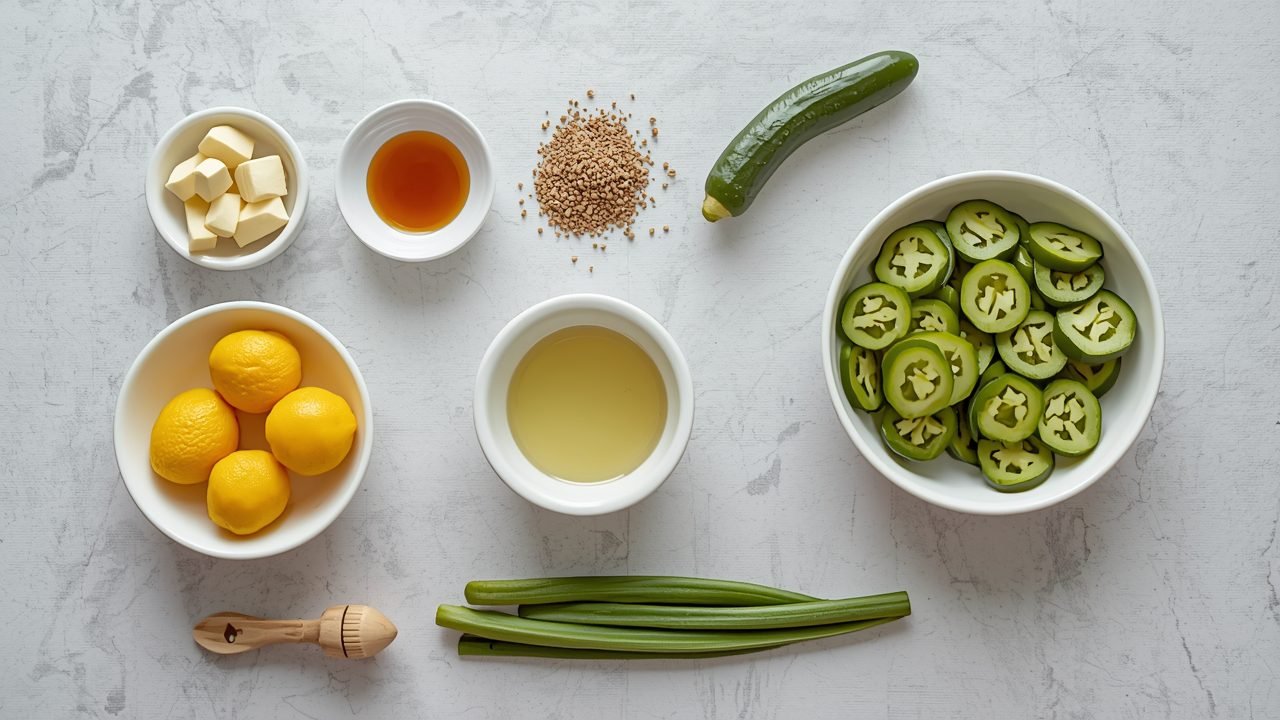
The beauty of homemade pickle juice for cramps is that it requires ingredients most kitchens already have. You won’t need to hunt down any specialty items at health food stores. After testing dozens of variations, I’ve found this specific combination provides the fastest relief while maintaining a palatable taste that makes it easy to drink when you’re experiencing cramping.

Pickle Juice for Cramps
Ingredients
Equipment
Method
- Combine 1 cup white distilled vinegar and 1 cup filtered water in a pitcher or jar
- Add 1½ tablespoons kosher salt and stir until completely dissolved
- Add sliced cucumber, fresh dill, crushed garlic cloves, and black peppercorns to the liquid
- Stir well to combine all ingredients
- Let steep for 10 minutes to allow flavors to infuse
- Strain out solids if desired, or drink with the herbs and cucumber pieces included
- Serve immediately or refrigerate for later use
Core Ingredients
- 1 cup white distilled vinegar – Provides the acetic acid that triggers the neurological response stopping cramps
- 1 cup filtered water – Dilutes the vinegar to a drinkable concentration while helping deliver minerals
- 1½ tablespoons kosher salt – Supplies sodium electrolytes; kosher salt dissolves better than table salt
- 1 small cucumber, sliced – Infuses the liquid with natural cucumber flavor making it more palatable
- 1 tablespoon fresh dill – Adds traditional pickle flavor and contains small amounts of calcium
- 2 cloves garlic, crushed – Improves flavor and adds trace minerals that support muscle function
- ½ teaspoon black peppercorns – Creates depth of flavor and contains piperine which may improve nutrient absorption
Optional Add-Ins
- ¼ teaspoon turmeric (anti-inflammatory properties)
- 1 tablespoon apple cider vinegar (replaces some white vinegar for added minerals)
- ¼ teaspoon potassium chloride salt substitute (increases potassium content)
Ingredient Substitutions That Work
- White vinegar → Apple cider vinegar (slightly less effective but adds more minerals)
- Kosher salt → Sea salt (provides additional trace minerals but adjust quantity as it’s stronger)
- Fresh dill → 1 teaspoon dried dill (less vibrant flavor but still effective)
After years of experimentation, I’ve found that using filtered water makes a significant difference in the clarity and taste of your pickle juice for cramps. Regular tap water can introduce minerals that affect both flavor and appearance. Additionally, never substitute synthetic salt substitutes entirely for real salt – the sodium component is critical for the cramping relief mechanism.
How to Make Pickle Juice For Cramps (Step-by-Step)
Don’t worry if you’ve never made pickle juice for cramps before – this process is remarkably straightforward. The entire recipe takes just 20 minutes, with most of that being passive infusion time. What you’ll end up with is a clear, golden-green liquid that works just as effectively as commercial versions but tastes fresher.
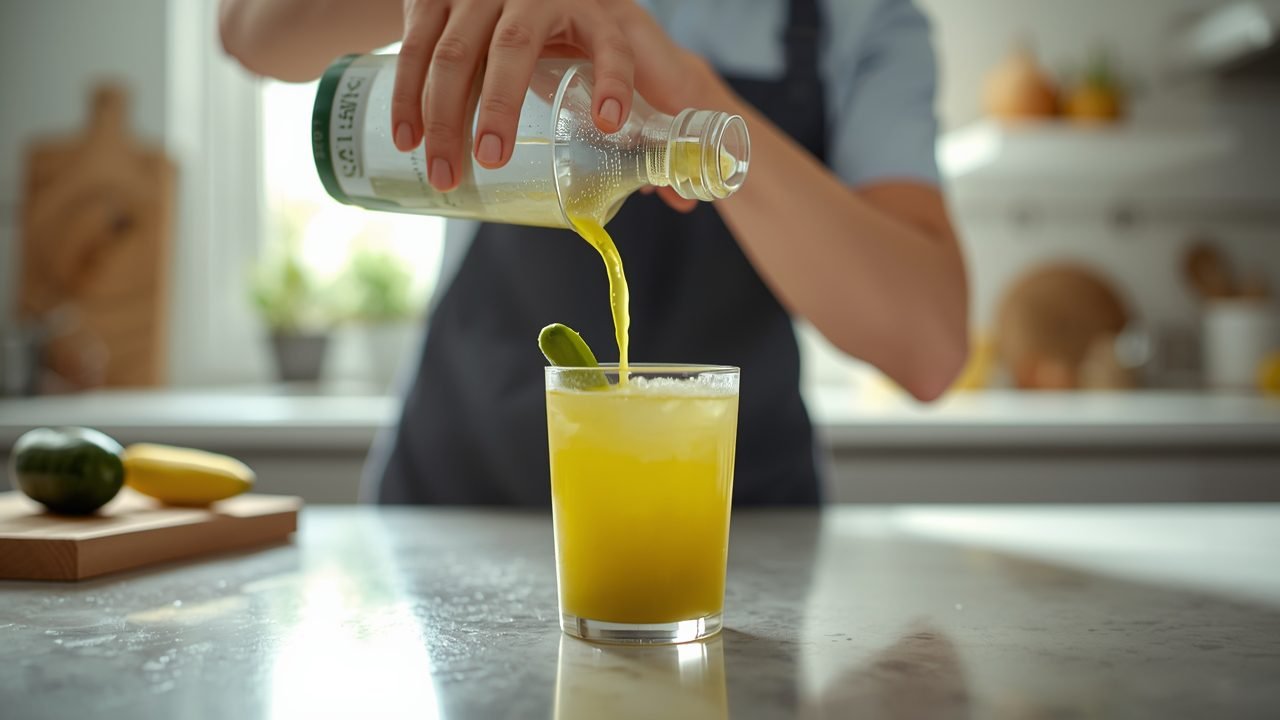
Step 1: Combine Base Liquids
In a medium saucepan, combine the vinegar and water, then heat over medium-low heat until just warm (not boiling). I’ve found 110°F (43°C) is the ideal temperature – hot enough to dissolve minerals but not so hot that it destroys beneficial compounds. Never bring the mixture to a boil, as this will create an overly harsh flavor and diminish effectiveness.
Step 2: Add Salt and Dissolve
Add the kosher salt to the warm liquid and stir constantly until completely dissolved, about 1-2 minutes. The liquid should remain clear without any salt granules visible at the bottom. This complete dissolution is crucial for proper electrolyte distribution and optimal effectiveness against cramps.
Step 3: Add Flavor Ingredients
Add the sliced cucumber, fresh dill, crushed garlic, and peppercorns to the warm liquid. Stir gently to ensure even distribution of ingredients. These aromatics not only improve flavor but also contribute trace minerals that enhance the remedy’s effectiveness.
Step 4: Infuse and Cool
Remove from heat, cover the pot, and allow the mixture to steep for 10-15 minutes. The longer infusion time creates a more flavorful pickle juice for cramps, but I’ve found 12 minutes hits the sweet spot between flavor development and time efficiency. You’ll notice the liquid taking on a slight greenish-yellow tint as the ingredients infuse.
Step 5: Strain and Bottle
Using a fine-mesh strainer, strain the pickle juice for cramps into a clean glass container with an airtight lid. Press on the solids slightly with a spoon to extract maximum liquid. Allow the juice to cool completely before sealing – I typically let mine reach room temperature, which takes about 10 minutes.
🔥 Pro Tips from My Kitchen
- For faster cramp relief, store single-serving portions (¼ cup) in small containers ready to grab and drink
- Warming the liquid to precisely 110°F creates the optimal mineral extraction without damaging acetic acid compounds
- If you struggle with the taste, refrigerate before drinking – cold pickle juice for cramps is significantly more palatable
- For nighttime leg cramps, keep a small container by your bed for immediate access
Pickle Juice For Cramps Nutrition Facts
Each serving of this homemade pickle juice for cramps contains significantly fewer calories than commercial sports drinks while providing similar electrolyte benefits. A standard serving is ¼ cup (2 ounces), which is typically enough to address acute cramping.
| Nutrient | Per Serving |
|---|---|
| Calories | 15 kcal |
| Total Fat | 0g |
| Carbohydrates | 1g |
| Sugar | 0g |
| Protein | 0g |
| Sodium | 880mg |
Nutritional values will vary based on the exact ingredients used and any additions or substitutions made. The majority of the sodium content comes from the salt, which is the primary active ingredient for cramp relief.
How to Make Pickle Juice For Cramps Healthier
While pickle juice for cramps is already a healthier alternative to sugary sports drinks, there are several ways to modify the recipe for specific dietary needs without sacrificing effectiveness.
- Lower sodium: Reduce salt to 1 tablespoon (instead of 1½) and add ¼ teaspoon potassium chloride salt substitute to maintain electrolyte balance while cutting sodium by 33%
- More minerals: Replace white vinegar with raw, unfiltered apple cider vinegar to add trace minerals and beneficial probiotics
- Anti-inflammatory boost: Add ¼ teaspoon ground turmeric and a pinch of black pepper to provide curcumin, which helps reduce inflammation after exercise
- Diabetic-friendly: Add a cinnamon stick during the steeping process to help regulate blood sugar levels while using the remedy
- Improved hydration: Increase water to 1½ cups while keeping other ingredients the same for a milder solution that encourages higher fluid intake
- Digestive support: Add 1 teaspoon of grated ginger to help settle stomachs that might be sensitive to acidic drinks
In my household, we typically use the anti-inflammatory version with turmeric since my wife uses pickle juice for cramps after long-distance running. While it turns the solution slightly yellow, the benefits for recovery outweigh the slight change in appearance.
Essential Tools for Perfect Pickle Juice For Cramps
1. Glass Storage Bottles – Game Changer
Glass Bottles with Airtight Lids
Proper storage is crucial for maintaining the potency of pickle juice for cramps. I’ve found that plastic containers can leach chemicals and affect the taste when storing acidic liquids like this. After testing numerous options, these glass bottles have become my go-to storage solution for keeping the remedy fresh for up to three weeks.
2. Fine Mesh Strainer – Authentic Taste
Stainless Steel Fine Mesh Strainer
A quality strainer makes all the difference in creating a smooth, particle-free pickle juice for cramps. The ultra-fine mesh removes even the smallest bits of herbs and spices, resulting in a clean-tasting final product. I’ve been using the same strainer for over 100 batches, and it’s still performing perfectly.
3. Digital Kitchen Thermometer – Professional Finish
Instant-Read Digital Thermometer
While not absolutely necessary, a digital thermometer takes the guesswork out of getting the perfect temperature for mineral extraction. Heating the vinegar solution to exactly 110°F ensures you’re getting maximum electrolyte dissolution without damaging the acetic acid compounds that help stop cramps.
4 Mistakes That Ruin Pickle Juice For Cramps (And How to Fix Them)
Mistake #1: Boiling the Vinegar Solution
The Problem: High heat destroys some of the acetic acid compounds responsible for the cramp-relieving effect and creates an overly harsh, unpleasant flavor that’s difficult to drink.
The Fix: Only warm the liquid to about 110°F (43°C) – just enough to dissolve the salt completely. If you don’t have a thermometer, stop heating when the liquid feels warm to the touch but not hot enough to be uncomfortable.
Mistake #2: Using Iodized Table Salt
The Problem: Iodized salt contains anti-caking agents that can create cloudiness and a slightly metallic taste in your pickle juice for cramps, plus the iodine itself alters the flavor.
The Fix: Always use kosher salt or sea salt, which dissolve cleanly and provide a purer sodium source without additives that affect taste or appearance.
Mistake #3: Not Straining Thoroughly
The Problem: Bits of herb, spice, and cucumber floating in the finished pickle juice for cramps create an unpleasant texture and can continue to infuse, eventually making the flavor too strong.
The Fix: Use a fine-mesh strainer and strain the liquid twice if necessary, pressing gently on solids to extract liquid but being careful not to push solids through the strainer.
Mistake #4: Incorrect Dosage
The Problem: Drinking too much pickle juice for cramps can lead to excessive sodium intake, while too little won’t provide the desired cramping relief.
The Fix: For acute cramps, consume about 2-3 ounces (¼ cup) at once, which provides sufficient acetic acid and sodium to trigger the neurological response without overdoing sodium intake.
Storing Your Pickle Juice For Cramps (Make-Ahead Guide)
Properly stored, homemade pickle juice for cramps will maintain its potency and flavor for several weeks. I recommend storing the remedy in airtight glass containers in the refrigerator for up to 3 weeks. Unlike commercial versions with preservatives, homemade pickle juice for cramps will eventually develop off-flavors or cloudiness when it’s past its prime.
For athletes or those who frequently need cramp relief, consider preparing single-serving portions in small glass bottles or containers. These 2-ounce portions are perfect for quick consumption when cramps strike and eliminate the need to measure during a cramping episode.
You can prepare this recipe in bulk by doubling or tripling the ingredients, which works particularly well for team sports or households with multiple athletes. The process and steeping time remain the same regardless of batch size.
If you notice any cloudiness, unusual odor, or visible growth in your stored pickle juice for cramps, discard it immediately. These are signs of spoilage, which can occur after the 3-week mark, especially if the container wasn’t completely clean.
After making this remedy hundreds of times, I’ve found that weekly small batches provide the optimal balance of freshness and convenience. I typically make a new batch every Sunday to ensure we always have fresh, effective pickle juice for cramps on hand.
Pickle Juice For Cramps Recipe FAQs
Can I make pickle juice for cramps ahead of time?
Yes, pickle juice for cramps can be made 3 weeks ahead of time when stored properly. Keep it in an airtight glass container in the refrigerator to maintain maximum potency. The flavor will remain stable for about 2 weeks, after which it may become slightly more acidic but still effective for cramping. I typically make a batch every 10 days to ensure optimal freshness and effectiveness.
What’s the difference between homemade pickle juice for cramps and the store-bought version?
Homemade pickle juice for cramps contains no preservatives, artificial colors, or stabilizers that are common in commercial versions. The taste is notably fresher and brighter, with a more pronounced cucumber flavor. Store-bought options often have a harsher vinegar profile and can cost up to 4 times more per serving. Homemade versions also allow for customization of sodium levels and the addition of anti-inflammatory ingredients that most commercial products don’t offer.
Can I make pickle juice for cramps without cucumbers?
Yes, you can make pickle juice for cramps without cucumbers, as they primarily contribute flavor rather than cramp-relieving properties. The essential components are the vinegar (acetic acid) and salt (sodium). Without cucumbers, the solution will have a more straightforward, tangy flavor that some find less palatable. Try adding a teaspoon of honey or a few drops of stevia to make cucumber-free pickle juice for cramps more drinkable without adding significant calories. Check out our health drinks section for other natural remedies with improved flavor profiles.
How do I make pickle juice for cramps less salty?
To reduce saltiness while maintaining effectiveness, decrease salt to 1 tablespoon and add ¼ teaspoon potassium chloride salt substitute (like No-Salt or Nu-Salt), cutting sodium by approximately 33% (from 880mg to about 590mg per serving). Another approach is increasing water to 1½ cups while keeping other ingredients the same, which dilutes the salt concentration. Adding a small amount of honey (½ teaspoon per batch) can also balance perception of saltiness without affecting the cramp-relieving properties.
Why doesn’t my pickle juice for cramps work as quickly as expected?
The most common reason for delayed effectiveness is insufficient acetic acid concentration, typically from using too little vinegar or the wrong type. Make sure you’re using distilled white vinegar (5% acidity) or apple cider vinegar rather than wine or rice vinegar which have lower acidity. Drinking too small an amount is another frequent issue – you need approximately 2-3 ounces for the neurological response that stops cramping. Finally, extremely severe cramps might require a second small dose after 2-3 minutes. Our electrolyte drinks guide offers complementary remedies to use alongside pickle juice for stubborn cramps.
Is pickle juice for cramps safe for people with high blood pressure?
People with hypertension or on sodium-restricted diets should consult their healthcare provider before using pickle juice for cramps regularly. The standard recipe contains approximately 880mg of sodium per serving, which is significant for those monitoring intake. A lower-sodium version can be made by reducing salt to ¾ tablespoon and adding ½ teaspoon potassium chloride salt substitute, cutting sodium content by approximately 50% while maintaining electrolyte benefits.
How much pickle juice for cramps should I drink to stop a cramp?
Research indicates that 2-3 ounces (¼ cup) of pickle juice for cramps is the optimal dose for most adults experiencing acute muscle cramping. This provides sufficient acetic acid to trigger the neurological response that interrupts the cramping mechanism. Drinking more doesn’t increase effectiveness and unnecessarily increases sodium intake. For prevention, some athletes consume 1-2 ounces about 30 minutes before intense exercise, particularly in hot conditions where cramping is more likely.
Final Thoughts on Making Pickle Juice For Cramps at Home
After years of experimentation and hundreds of batches, I’m confident this homemade pickle juice for cramps recipe delivers results equivalent to commercial versions at a fraction of the cost. You’re getting the same rapid cramp relief for just $1.25 per serving compared to $3.99 for store-bought options, all while avoiding artificial ingredients and customizing the formula to your exact needs. The pickle juice for cramps takes just 20 minutes to prepare and provides enough remedy for multiple cramp episodes.
Don’t be intimidated by making your own therapeutic drinks – this recipe is genuinely simple and forgiving. Even if your first batch isn’t perfect, it will still provide effective cramp relief. Focus on the proper vinegar concentration and salt levels, as these are the critical components that make pickle juice for cramps work so effectively.
I keep a batch of this remedy in our refrigerator at all times, especially during summer when my family is more active and prone to heat-related cramping. What started as an experiment has become an essential part of our home remedy collection, with even my skeptical father-in-law becoming a convert after it quickly resolved his nighttime leg cramps.
If you tried this pickle juice for cramps recipe, please leave a star rating below and let me know how it turned out in the comments! I read every single one and love hearing about your pickle juice for cramps creations.
Save this recipe by pinning it to Pinterest or bookmarking this page – you’ll want to make pickle juice for cramps again and again!
For more natural remedies that actually work, check out our complete collection of homemade health drinks perfect for athletes and anyone looking for effective natural solutions.
More Copycat Drinks You’ll Love
Can I use leftover juice from fermented pickles instead of vinegar brine for this recipe?
Yes, the live probiotics in fermented pickle brine can be a great addition, but note it will make the drink less sharp and more funky or sour compared to the classic vinegar-based copycat taste.
Is there a good way to make a larger batch of this drink to keep chilled for the week?
Absolutely. Simply multiply the ingredients in a large pitcher, but wait to add the sparkling water until you’re ready to serve each glass to maintain maximum fizz.
Could I add a bit of fresh herb like dill or mint to this recipe without ruining it?
Yes, muddling a few sprigs of fresh dill or mint in the glass first adds a delightful, aromatic freshness that complements the pickle flavor beautifully, especially in summer.