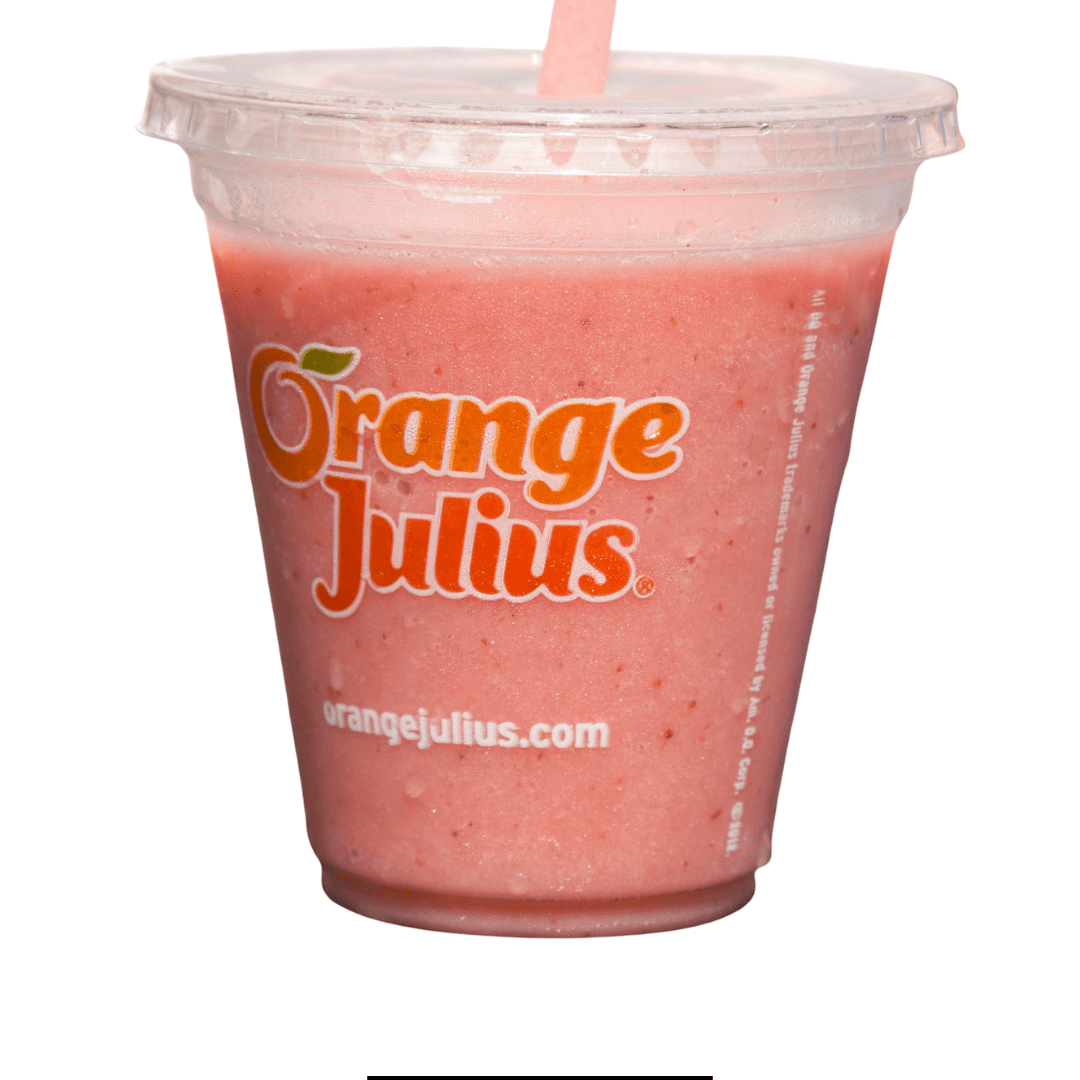

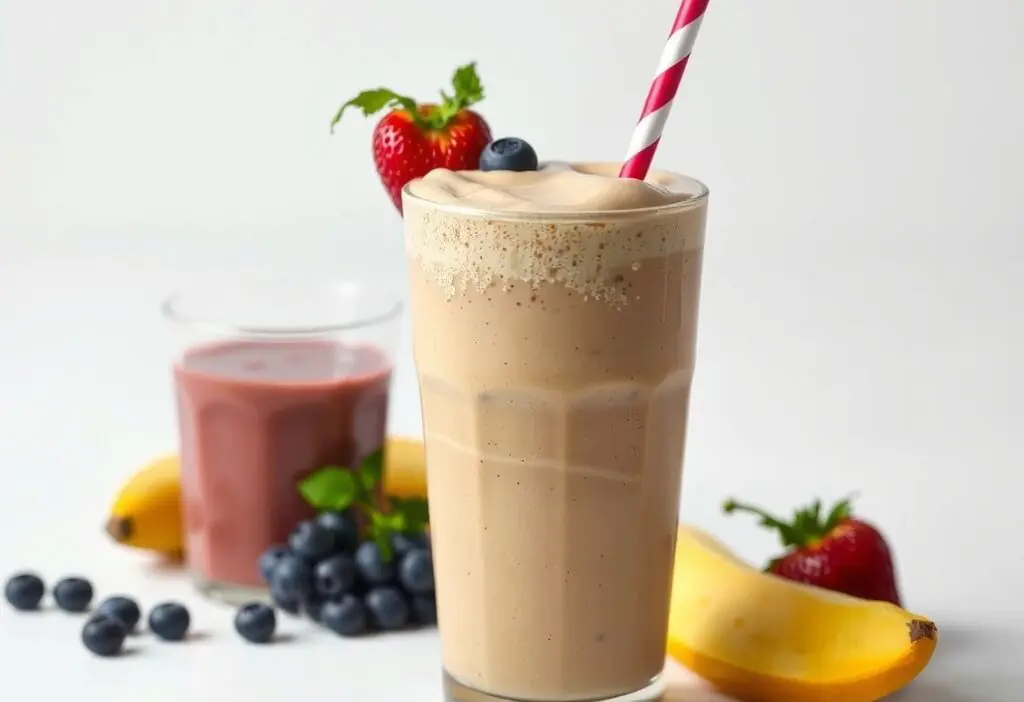
This copycat Jamba Juice protein boost recipe is about to save you $8 every time you crave that creamy, high-protein smoothie. I’ve reverse-engineered the exact blend that makes Jamba’s version so addictive, and you can make it at home for less than $2 per serving.
You’re going to learn the secret ratio that gets that signature smooth texture, the protein powder trick that prevents chalkiness, and why frozen banana is non-negotiable. Plus, I’ll show you how to customize it based on what you have in your kitchen right now.
Let’s make it!
Why You’ll Love This Recipe
I’ve been making this jamba juice protein boost recipe for two years now, and it’s become my go-to post-workout fuel. Once you nail the technique, you’ll never go back to paying coffee-shop prices for something you can blend in 90 seconds.
- ✓ Costs under $2 per serving compared to $8-9 at Jamba Juice — that’s over 75% savings if you make this even twice a week
- ✓ Ready in under 3 minutes from freezer to glass, perfect for rushed mornings when you need fuel fast
- ✓ Packs 25-30g of protein without that gritty, chalky texture that ruins most homemade protein smoothies
- ✓ Tastes like dessert but fuels like a meal — naturally sweet from fruit with zero added sugar needed
- ✓ Completely customizable for dairy-free, vegan, low-carb, or whatever your dietary needs are
- ✓ Uses ingredients you probably already have — no weird supplements or specialty powders required
💰 Cost Breakdown: One Jamba Juice Protein Berry Workout smoothie costs $8.49 (medium). This homemade version costs $1.87 per serving. Make it 3 times a week and you’ll save over $1,000 a year.
What You’ll Need
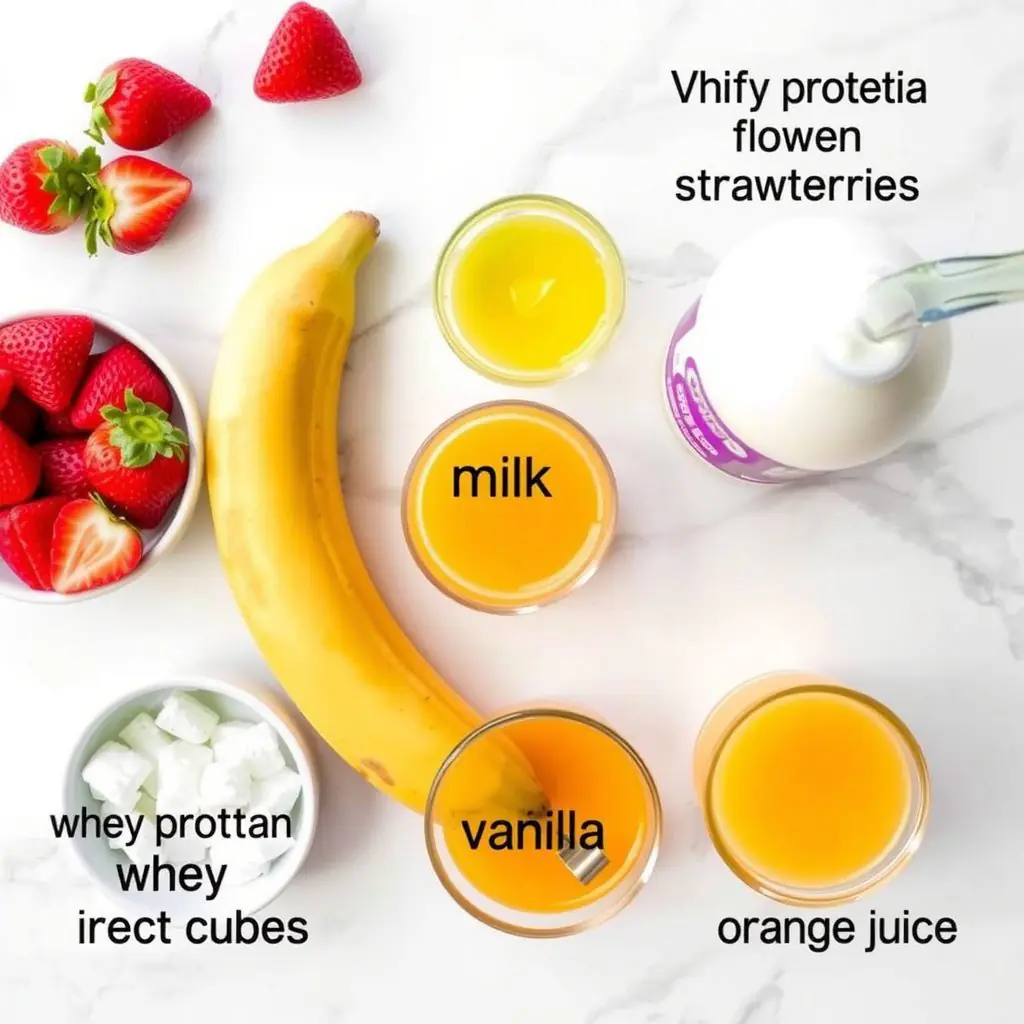
The magic of this homemade jamba juice protein smoothie is in the layering technique and ingredient quality. Here’s what goes into your blender, organized by function.
The Liquid Base
Soy milk or almond milk creates that signature creamy texture without dairy. Soy milk gives you extra protein (about 7g per cup), which is what Jamba uses in their original recipe. You can swap for oat milk, regular milk, or even coconut water if you want it lighter.
The Protein Powerhouse
Vanilla whey protein powder is the backbone of this recipe. I use this brand from Amazon — it makes a huge difference in preventing that chalky aftertaste. If you’re plant-based, pea protein or hemp protein work beautifully, though you might need to add a touch more sweetness.
The Fruit Foundation
Frozen banana is absolutely non-negotiable here. It creates the thick, frosty texture and natural sweetness that makes this taste like soft-serve ice cream. Room temperature banana will give you a thin, disappointing smoothie.
Frozen strawberries and frozen blueberries add the berry flavor profile and gorgeous color. I keep bags of these in my freezer year-round. Fresh berries work in a pinch, but you’ll need to add ice cubes to get the right consistency.
The Thickener
Greek yogurt adds creaminess and an extra protein punch (about 10g per half cup). I use this brand from Amazon — it makes a huge difference in texture. For dairy-free, use coconut yogurt or just add another half banana.
Optional Boosters
Honey or agave if your berries are tart, chia seeds for omega-3s, or spinach for sneaky greens that you won’t taste. A handful of ice cubes helps if your fruit isn’t frozen solid.
🛒 Shopping Tip: Buy berries when they’re on sale and freeze them yourself in single-serving portions. I use sandwich bags with 1 cup mixed berries each — grab one bag and you’re ready to blend.
Pro Tips Before You Start
These tips are what separate a good protein smoothie from a perfect jamba juice protein smoothie dupe.
- Liquid goes in first. Always pour your milk in before anything else. This prevents the blender blades from spinning uselessly above frozen fruit chunks.
- Freeze your banana in chunks. Peel ripe bananas, break them into 2-inch pieces, and freeze in a bag. They blend way faster than whole frozen bananas.
- Use frozen fruit, not ice. Ice dilutes the flavor as it melts. Frozen fruit keeps everything concentrated and creamy.
- Add protein powder last. Blend the fruit and liquid first until smooth, then pulse in the protein powder for just 10 seconds. Over-blending protein makes it foamy and weird.
- Start on low speed. Pulse 3-4 times to break up the frozen chunks, then gradually increase to high. This protects your blender motor and prevents chunks.
- The “too thick” test. If your blender is struggling and the mixture isn’t moving, add liquid 1 tablespoon at a time. Too thin? Add more frozen banana or a handful of ice.
- Drink it immediately. Protein smoothies separate and get weird after 20 minutes. If you must wait, give it a quick re-blend or vigorous shake.
- Rinse your blender right away. Dried protein powder is a nightmare to clean. Fill with hot water and a drop of dish soap while you drink your smoothie.
💡 Pro Tip: Keep a “smoothie bag” in your freezer with pre-portioned fruit for the week. Sunday prep takes 10 minutes and makes weekday mornings effortless.
How To Make Copycat Jamba Juice Protein Boost Smoothie Recipe
The blending order is everything here. I’ve tested this how to make jamba juice protein boost method dozens of times, and this sequence gives you the smoothest, creamiest result every single time.
Pour your liquid base into the blender first, then add the frozen fruit, banana chunks, and yogurt. Blend on low for 10 seconds to break everything up, then increase to high speed for 30-45 seconds until completely smooth. Add your protein powder on top and pulse just 3-4 times to incorporate — you don’t want it foamy.
The whole process takes less than 2 minutes, and you’ll have a thick, frosty post workout smoothie that rivals anything from Jamba Juice. If you love fruity smoothie recipes, you’ll also want to try this Copycat Jamba Juice Açai Berry Smoothie or this Copycat Tropical Smoothie Acai Bowl for breakfast bowl vibes.
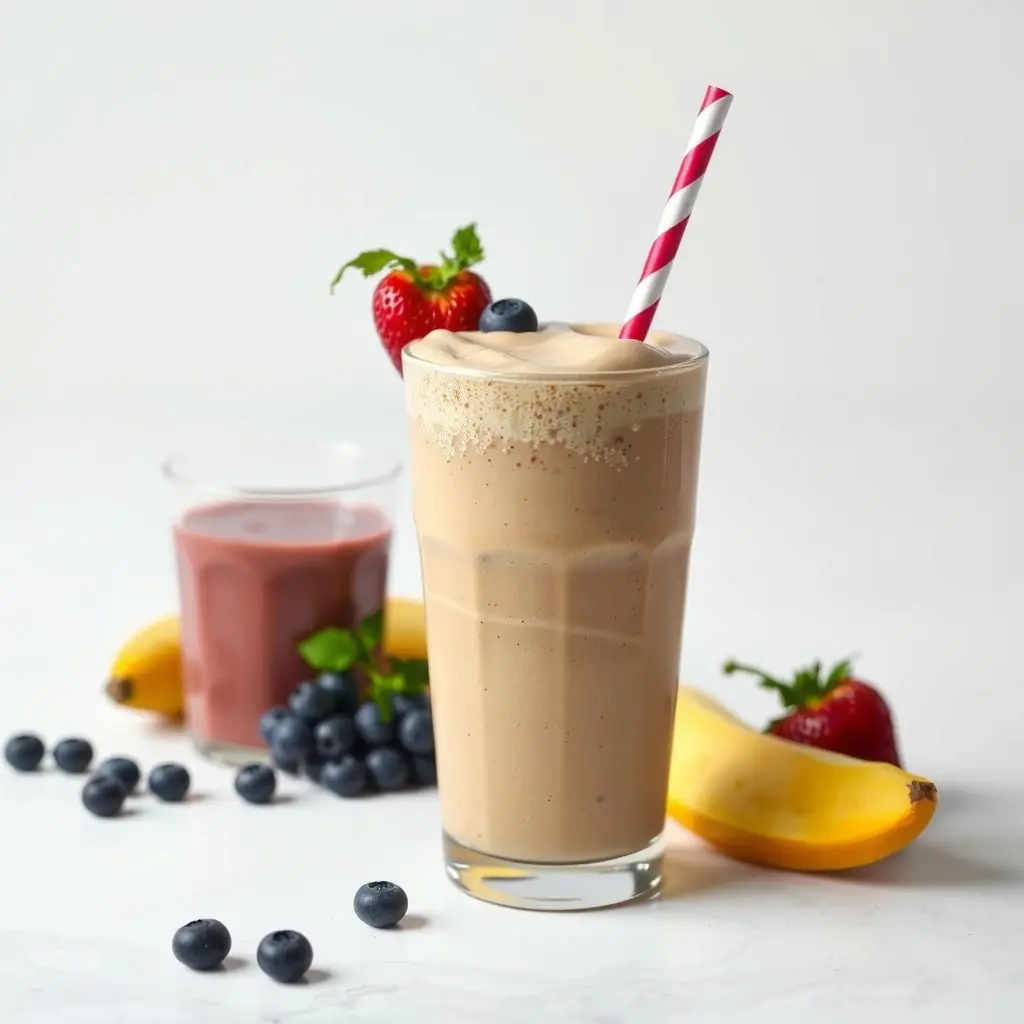
Copycat Jamba Juice Protein Boost Smoothie Recipe
Ingredients
Equipment
Method
-
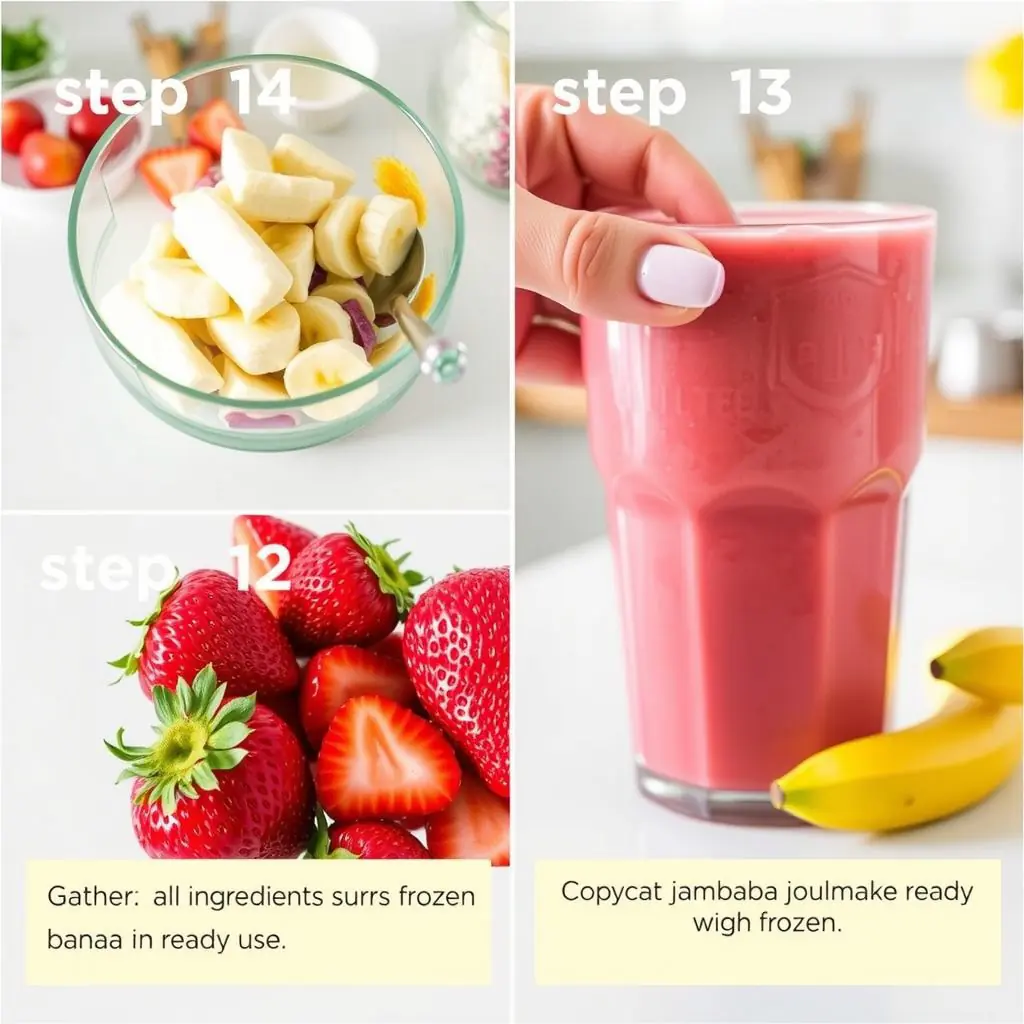
Gather all your ingredients and ensure your frozen strawberries are ready to use. If using a fresh banana instead of frozen, make sure it’s ripe with brown spots for maximum sweetness and creaminess.
-
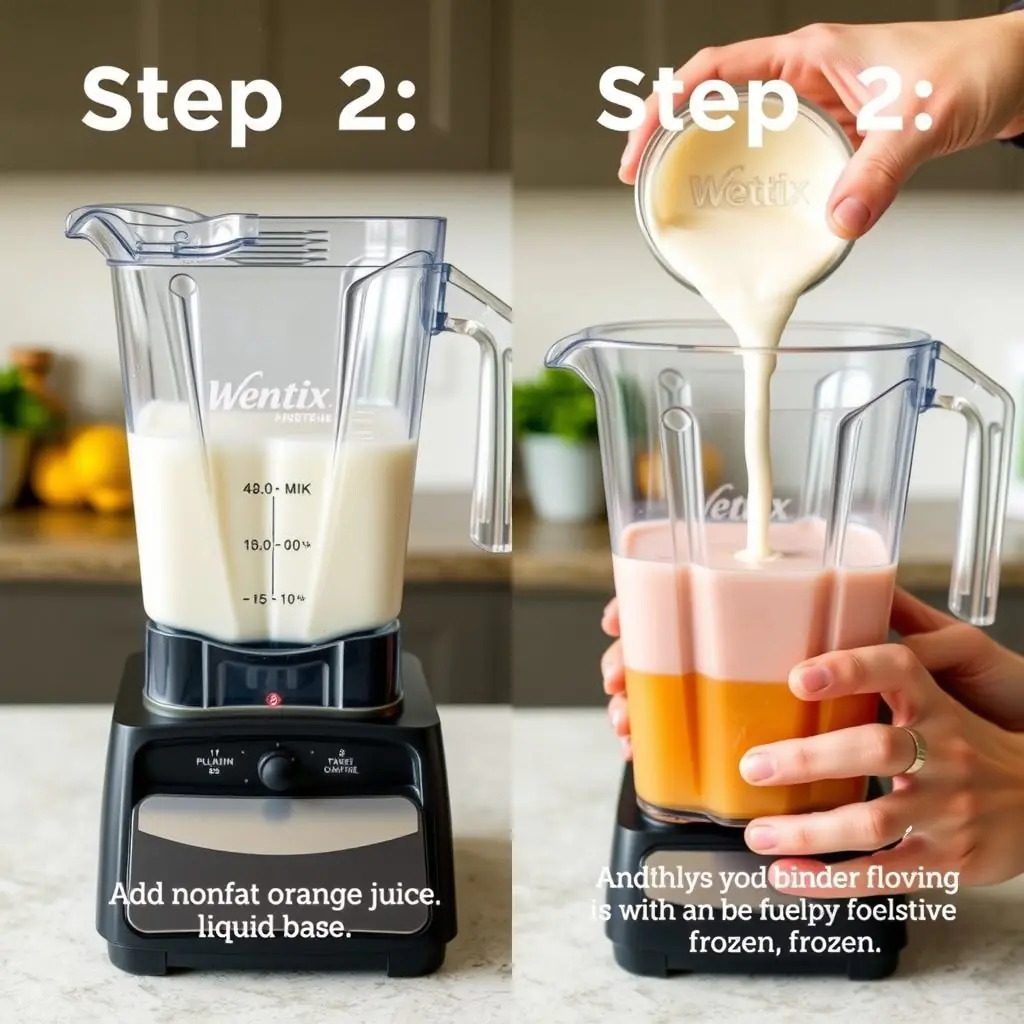
Add the nonfat milk and orange juice to your blender first as the liquid base. This helps the blender blades move more freely and prevents the frozen ingredients from getting stuck at the bottom.
-
Break the banana into chunks and add them to the blender along with the frozen strawberries. The combination of these fruits creates the signature sweet and tangy flavor profile that Jamba Juice is known for.
-
Add one scoop of vanilla whey protein powder directly into the blender. The protein powder should dissolve completely during blending, creating a smooth texture without any chalky grittiness.
-
Add the ice cubes to the blender, which will help create that thick, frosty consistency characteristic of Jamba Juice smoothies. If you prefer an even thicker smoothie, you can add an extra 2-3 ice cubes.
-
If desired, drizzle in the honey for additional sweetness, though the ripe banana and strawberries usually provide plenty of natural sugar. Taste preferences vary, so you can adjust this to your liking.
-
Blend on high speed for 45-60 seconds until the mixture is completely smooth and creamy with no visible chunks of fruit or ice. The smoothie should have a vibrant pink color and a thick, pourable consistency.
-
Pour the smoothie into a tall glass immediately and enjoy right away for the best texture and temperature. The smoothie should be thick enough to drink through a straw but smooth enough to flow easily, just like the Jamba Juice original.
Step-by-Step Photos
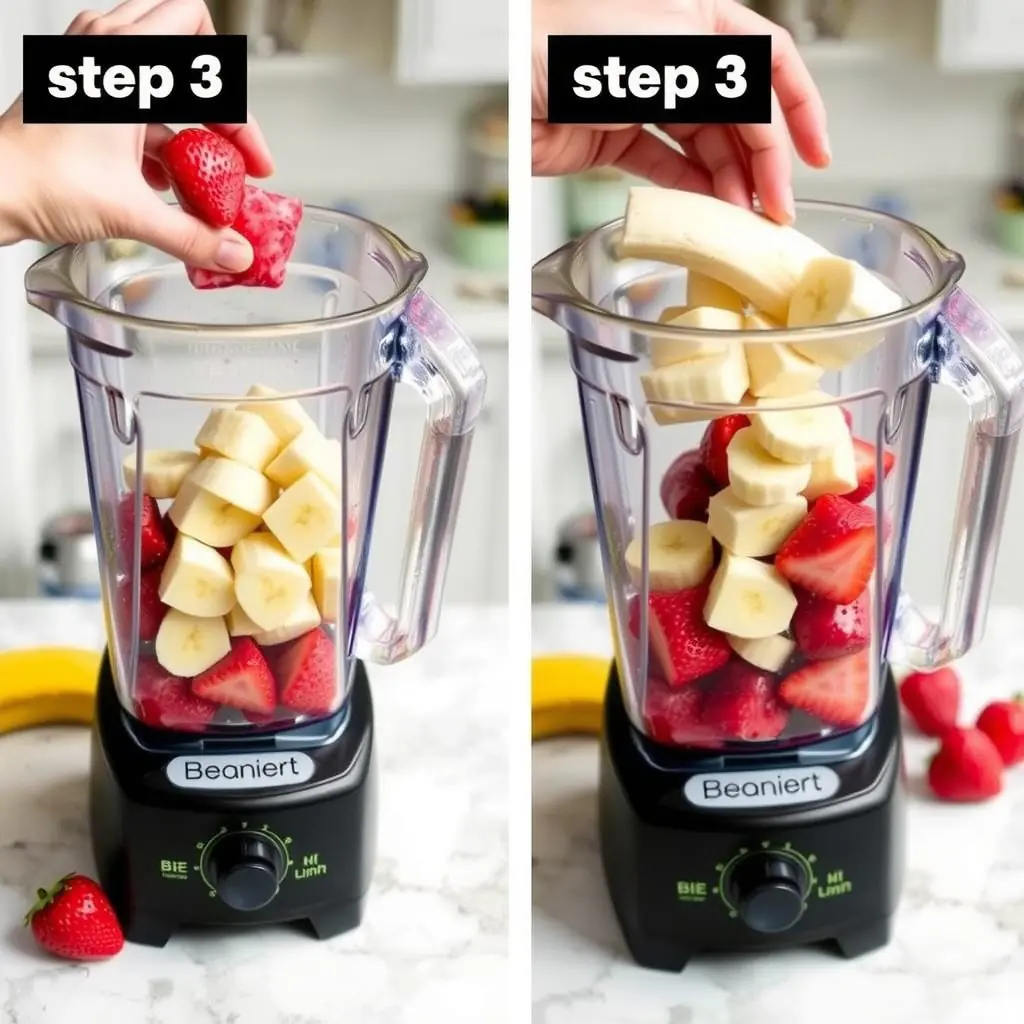
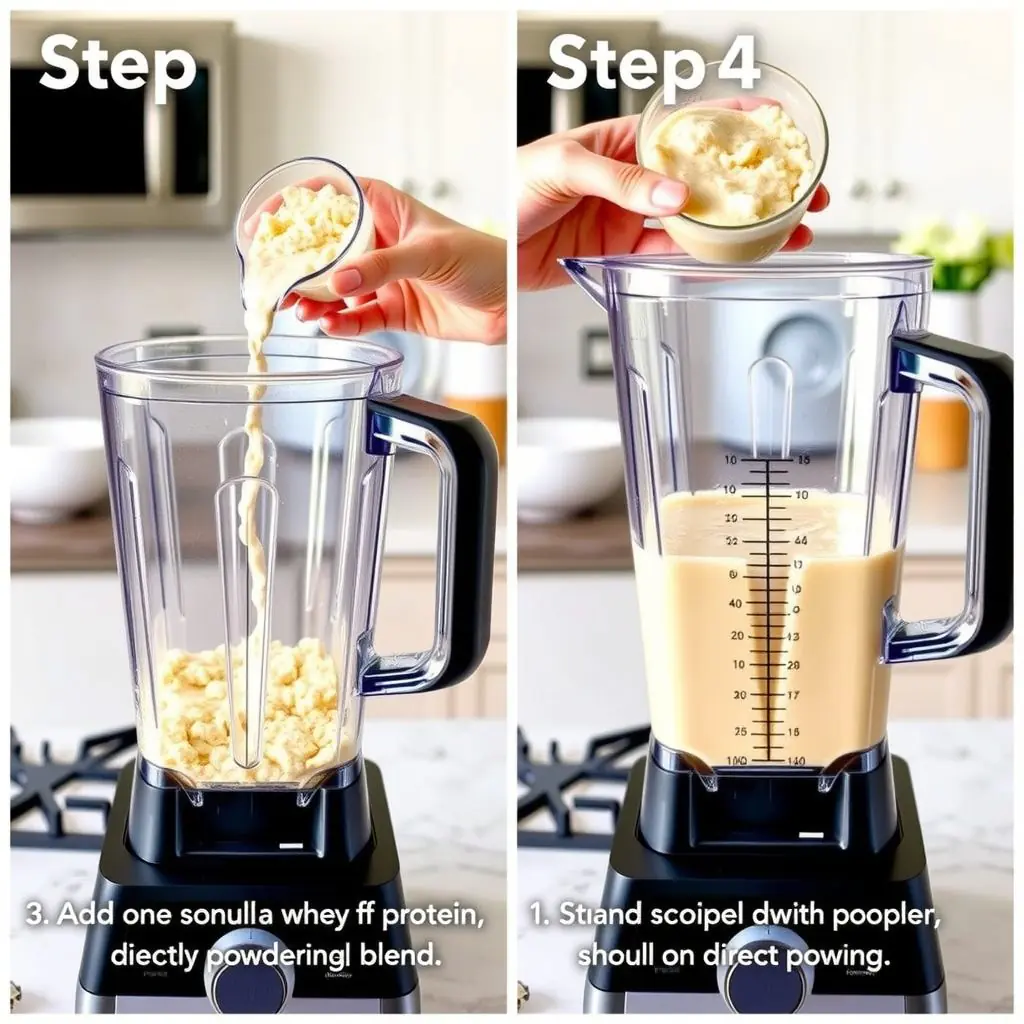
Customizations & Variations
This is where you make this protein boost recipe at home completely your own. I’ve tried every variation imaginable, and these are my favorites.
Dairy-Free Version
Swap the Greek yogurt for coconut yogurt or silken tofu (yes, really — you won’t taste it). Use almond milk, oat milk, or coconut milk as your base. The texture stays incredibly creamy, and you save on calories too.
Chocolate Protein Twist
Use chocolate protein powder instead of vanilla and add 1 tablespoon of cocoa powder. Swap the berries for more banana and add a tablespoon of peanut butter. It tastes like a chocolate peanut butter milkshake with 30g of protein.
Green Protein Boost
Add a massive handful of spinach or kale — I promise you won’t taste it with the berries and banana. This sneaks in a full serving of greens without changing the flavor. The color turns purple-brown instead of pink, but who cares when it’s this good.
Tropical Protein Version
Replace the berries with frozen mango and pineapple chunks. Use coconut milk as your base and add a squeeze of lime juice. It’s like a piña colada that’s actually good for you.
Low-Carb Keto Adaptation
Skip the banana and use half an avocado for creaminess (trust me). Use unsweetened almond milk, add extra ice, and sweeten with stevia or monk fruit. You’ll get under 10g net carbs with all the protein.
Coffee Protein Fusion
Add a shot of cold brew or 2 tablespoons of instant espresso powder for a caffeinated protein smoothie. It’s perfect for mornings when you need both breakfast and coffee in one cup. This pairs well with the vibe of our Copycat Dunkin Matcha Iced Latte if you’re into coffee-inspired drinks.
Peanut Butter Banana Protein
Add 2 tablespoons of peanut butter or almond butter and use all banana (no berries). Drizzle with a tiny bit of honey and you’ve got a smoothie that tastes like dessert but keeps you full for hours.
Meal Replacement Version
Add a tablespoon of chia seeds, a tablespoon of flax meal, and a handful of oats to make this a complete meal. The oats blend in completely and add fiber plus slow-burning carbs. This version keeps me full until lunch.
Kid-Friendly Sweet Version
Use all strawberries (kids often prefer single-fruit flavors), vanilla yogurt instead of plain, and a drizzle of honey. Let them help measure ingredients — my niece requests this every time she visits.
Dessert Smoothie Bowl
Use half the liquid to make it super thick, then pour into a bowl and top with granola, coconut flakes, and fresh berries. It’s basically ice cream for breakfast. Check out more bowl inspiration in our guide to acai bowl recipes.
Storing & Make-Ahead Tips
Protein smoothies are always best fresh, but life gets busy. Here’s how to prep ahead without sacrificing quality.
Refrigerator Storage
- Mixed smoothie: Store in an airtight container for up to 24 hours. It will separate — shake vigorously or re-blend for 10 seconds before drinking.
- Unmixed ingredients: Prep smoothie bags with all the fruit and keep in the fridge for 2-3 days, then add liquid and protein when ready to blend.
Freezer Storage
- Pre-portioned smoothie packs: Combine all fruit ingredients in freezer bags and freeze for up to 3 months. Dump one bag in the blender, add liquid and protein, and blend.
- Already-blended smoothie: Freeze in ice cube trays, then blend the cubes with a splash of milk when ready to drink. It’s like a protein slushie.
- Individual bananas: Peel and freeze ripe bananas in chunks for up to 6 months. They’re ready whenever you need them.
Batch Prep Strategy
- Sunday prep: Make 5 smoothie bags with pre-measured fruit for the week. Label with the date and store flat in the freezer so they stack nicely.
- Protein powder portions: Measure protein powder into small containers or bags so you can just dump and blend in the morning.
- Keep liquids separate: Never freeze smoothies with milk or yogurt already mixed — the texture gets grainy and weird.
✅ Note: If your smoothie separates in the fridge, that’s totally normal. The protein and liquid naturally separate. Just give it a good shake or 5-second blend and it’s perfect again.
Frequently Asked Questions
How many calories are in this copycat Jamba Juice protein boost?
This homemade version has approximately 280-320 calories depending on your protein powder and milk choice. The original Jamba Juice Protein Berry Workout (medium) has around 390 calories, so you’re saving about 70-100 calories per serving. You can check detailed nutritional information for your specific ingredients.
Can I make this without protein powder?
Absolutely! Double the Greek yogurt to get about 20g of protein, or add 1/4 cup of cottage cheese (you won’t taste it, I promise). You can also use silken tofu, hemp seeds, or nut butter for protein, though the flavor profile will shift slightly.
Why is my protein smoothie chalky or gritty?
This usually means you over-blended the protein powder or used a low-quality powder. Add protein powder last and pulse just 3-4 times to incorporate. Also, make sure your fruit is blended completely smooth before adding protein — any fruit chunks make the texture weird.
Can I prep these smoothies ahead and freeze them?
Yes, but with a caveat. Freeze the fruit mixture in bags without the liquid or protein powder. When you’re ready, add the frozen fruit to your blender with fresh liquid and protein, then blend. Freezing already-blended smoothies creates ice crystals that make the texture grainy.
Is this actually healthier than the Jamba Juice version?
It depends on your goals. This homemade version typically has less sugar (no added sweeteners unless you choose to add them), more control over protein quality, and no preservatives. You’re also using whole fruit instead of juice concentrates. Plus you can customize for your dietary needs — dairy-free, low-carb, extra protein, whatever you want.
What’s the best blender for making protein smoothies?
Any decent blender works, but high-powered blenders like Vitamix or Ninja make the texture noticeably smoother. If you’re using a regular blender, let your frozen fruit sit at room temperature for 5 minutes before blending, and cut your banana into smaller chunks. Start on low speed and be patient.
How does this compare to other Jamba Juice copycat recipes?
This protein-focused smoothie is heartier and more filling than fruit-only versions. If you want something lighter and more refreshing, try making a berry smoothie without protein powder. For dessert-style drinks, our Shake Shack black and white shake hits that sweet spot. This protein boost is specifically designed as a meal replacement or post-workout recovery drink with 25-30g of protein.