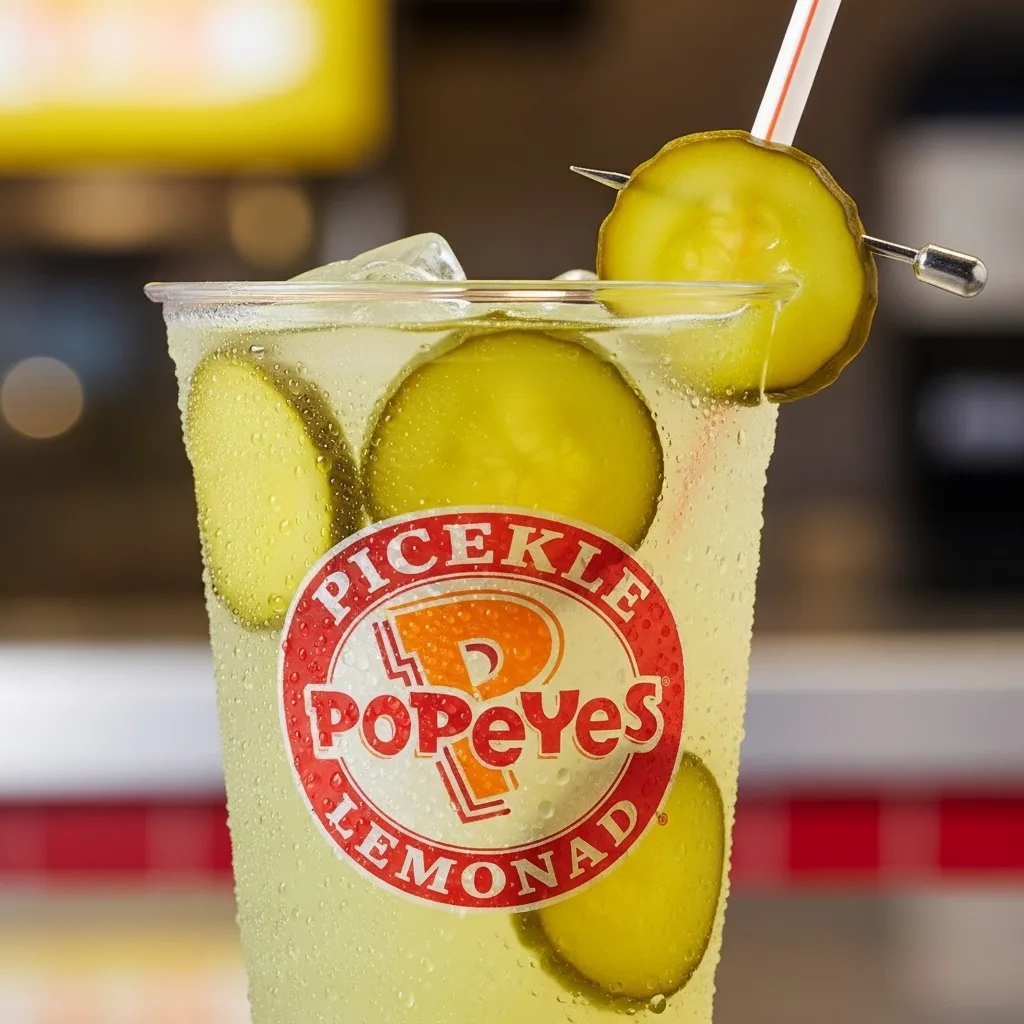

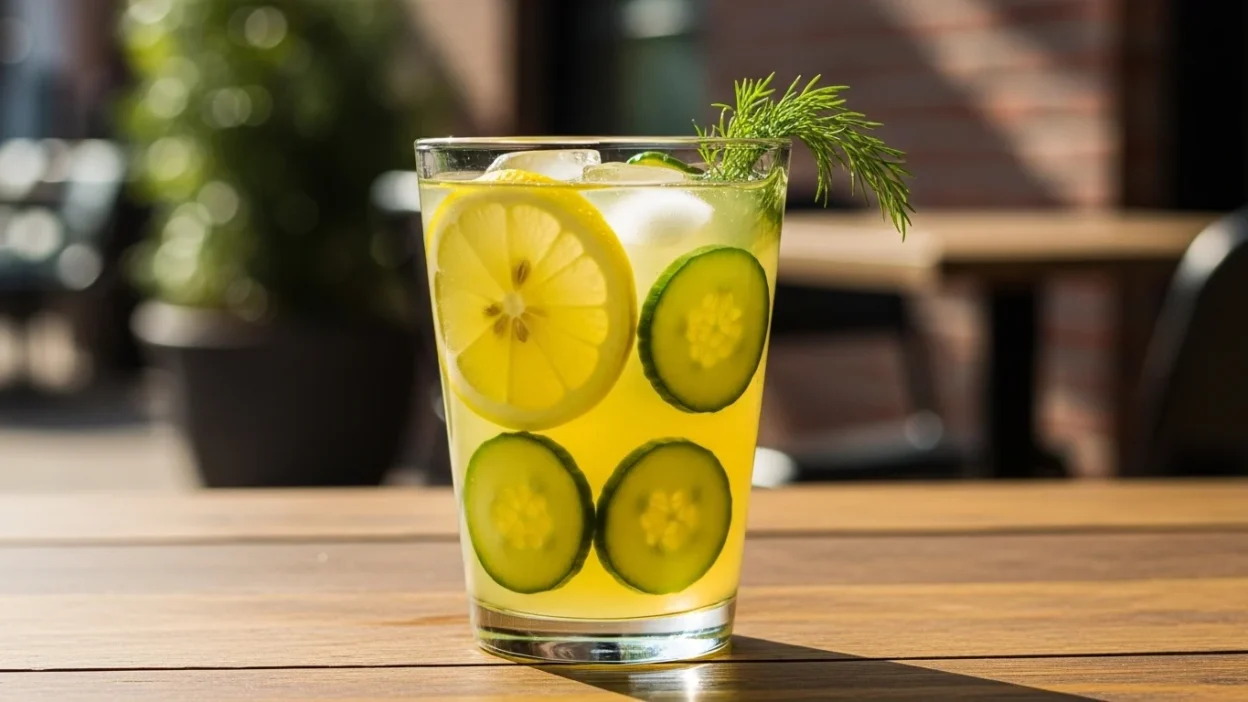
Copycat Popeyes Pickle Lemonade Recipe

Popeyes Pickle Lemonade

The Popeyes Pickle Lemonade recipe is the viral copycat drink that’s taken TikTok and Reddit by storm—and it’s shockingly easy to make at home. This tangy, briny sensation perfectly balances fresh lemonade, pickle juice, and just enough sweetness to create an addictive flavor combo that shouldn’t work but absolutely does. Whether you’re chasing the latest trend or genuinely curious about this polarizing drink, I’ll show you exactly how to recreate it in your kitchen.

The best part? You’ll spend a fraction of what Popeyes charges, control every single ingredient, and customize it to your taste preferences. No more waiting in line or paying $5–$7 for a single drink. Let’s dive into how to make this conversation-starting beverage that’s either a guilty pleasure or a hard pass—there’s no in-between.
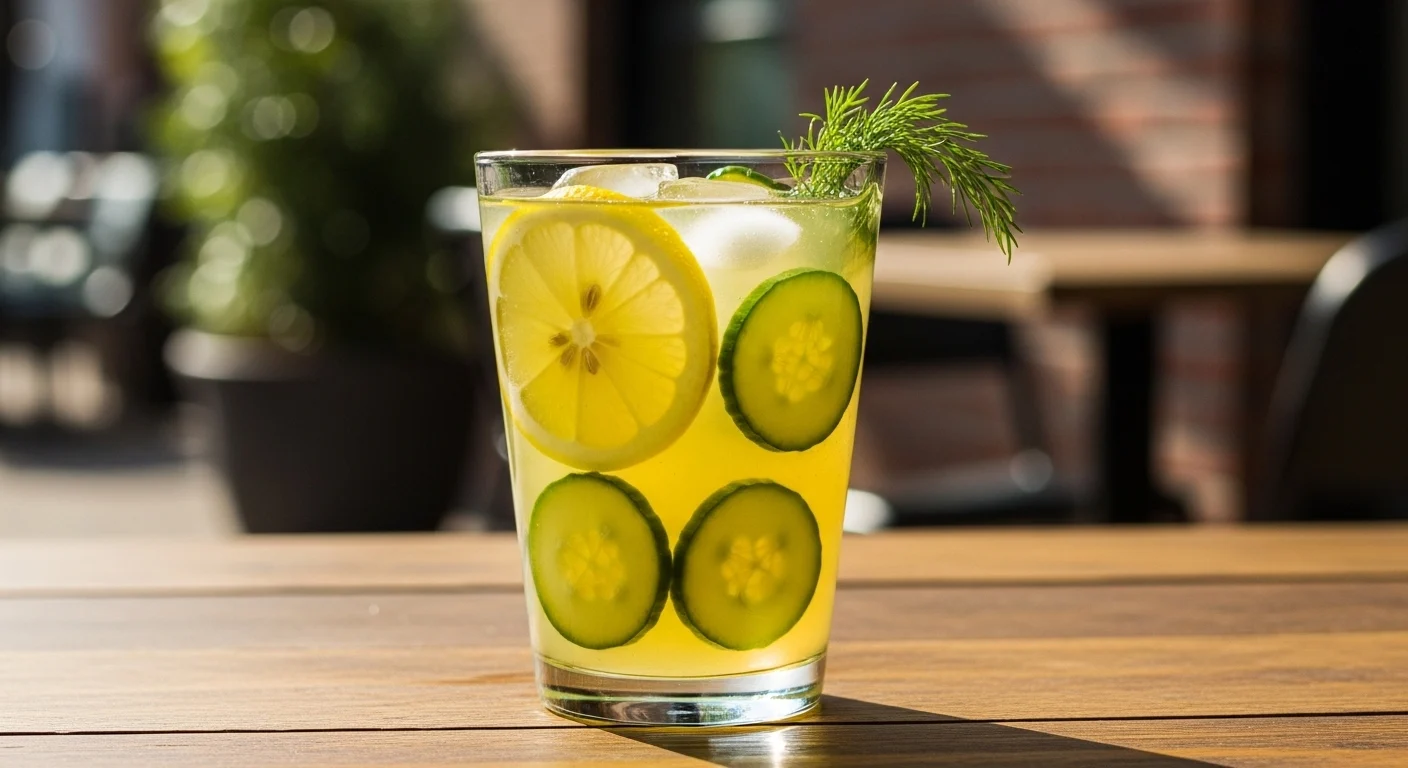
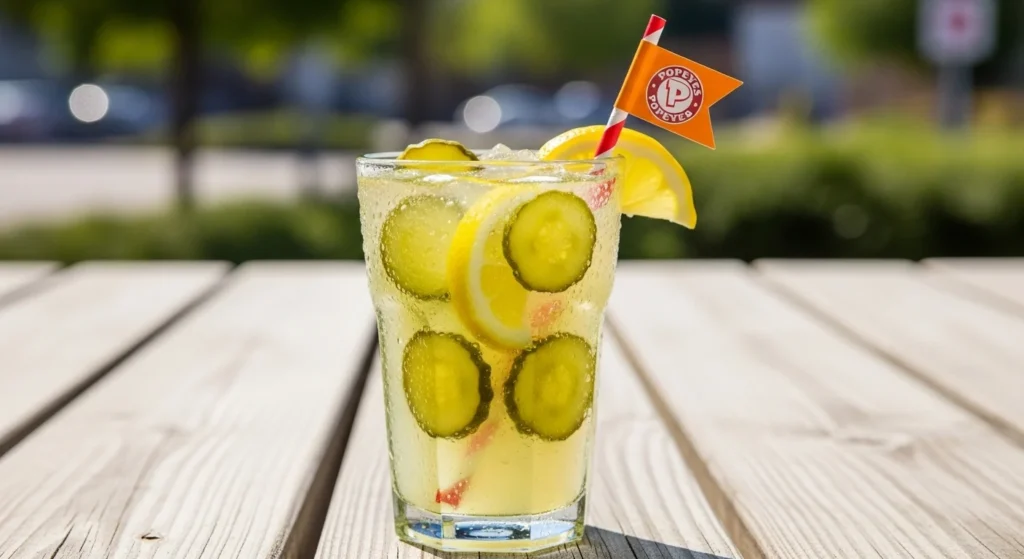
Popeyes Pickle Lemonade

Why Make This at Home?

  • Save money: Homemade costs ~$1.50 vs. $5–$7 at Popeyes—that’s 70% cheaper
  • Full ingredient control: Choose your pickle juice brand, lemonade type, and sweetness level without mystery additives
  • Customize to your taste: Adjust the pickle-to-lemonade ratio, add fresh dill, or go extra briny for maximum flavor
  • Make it healthier: Reduce sugar, use natural sweeteners, or go sugar-free while keeping the viral taste
  • Batch prep for parties: Impress guests with a trending drink that costs pennies per serving and takes 5 minutes to prepare

Homemade vs Popeyes Pickle Lemonade — Side by Side

☕ Popeyes Original 🏠 Homemade Copycat
Cost per serving $5–$7 ~$1.50
Calories ~380 ~180–220 (adjustable)
Sugar content ~45g You control it
Prep time 5–10 min (wait in line) 2–3 minutes
Fully customizable Limited options Unlimited variations
Dairy-free option Extra charge Naturally free
Fresh ingredients Pre-made syrup Fresh lemonade & juice

Tips, Tricks & Variations

Pro Tips for the Best Result

  • Use quality pickle juice: Claussen or fresh dill pickle juice delivers a cleaner, less artificial taste than generic brands—it makes a noticeable difference
  • Chill everything first: Pre-chill your lemonade, pickle juice, and glass for 30 minutes; this prevents dilution and keeps the drink refreshing longer
  • Ratio matters: Start with 3 parts lemonade to 1 part pickle juice, then adjust to your preference—some love it briny, others prefer subtle pickle notes
  • Fresh lemonade > bottled: Homemade lemonade with real lemon juice tastes noticeably better than concentrate and takes only 5 minutes to make

Easy Variations

  • Frozen Pickle Lemonade: Blend with ice and a splash of simple syrup for a slushy texture that’s perfect for hot days
  • Dill Pickle Lemonade: Muddle fresh dill sprigs in the bottom of your glass before adding the drink for herbaceous depth
  • Sugar-Free Version: Swap simple syrup for stevia or monk fruit sweetener—the pickle juice adds enough complexity that you won’t miss the sugar
  • Spicy Pickle Lemonade: Add a pinch of cayenne pepper or a dash of hot sauce for a surprising kick that balances the brine

Storage & Make-Ahead Tips

Store your homemade pickle lemonade in an airtight pitcher in the refrigerator for up to 5 days—the flavors actually deepen slightly over time. For meal prep, make a large batch of lemonade and pickle juice separately, then mix individual servings as needed to prevent the drink from becoming too diluted. You can also freeze the mixture in ice cube trays and blend with fresh lemonade for an instant frozen version whenever you want.

Frequently Asked Questions

What is Popeyes Pickle Lemonade exactly?

Popeyes Pickle Lemonade is a limited-time viral drink that combines tangy lemonade with briny dill pickle juice, creating a surprisingly balanced sweet-and-salty flavor. It became a TikTok sensation in 2023 and has since become a cult favorite among adventurous drinkers and pickle enthusiasts. The homemade copycat version tastes nearly identical and costs a fraction of the price.

Can I make a frozen pickle lemonade at home?

Absolutely! Blend the lemonade and pickle juice mixture with 1–2 cups of ice and a tablespoon of simple syrup until slushy. You can also freeze the mixture in advance and blend it with a splash of fresh lemonade for a smoother consistency. Frozen versions are perfect for summer and taste even more refreshing than the chilled version.

What type of pickle juice works best?

Dill pickle juice from brands like Claussen or fresh homemade pickle brine delivers the cleanest, most authentic flavor. Avoid heavily salted or artificially flavored pickle juices, which can overpower the lemonade. If you make your own pickles, save the brine—it’s perfect for this recipe and tastes fresher than store-bought options.

Is this drink actually good, or is it just a trend?

That depends on your palate! If you love pickles, salty-sweet flavor combinations, or unique drinks, you’ll probably enjoy it. If you prefer traditional lemonades, this might be too adventurous. The best approach is to make a small batch at home first—it only costs $1.50, so there’s no risk in trying it.

Can I make a chilled pickle lemonade without ice?

Yes! Simply refrigerate all ingredients for at least 30 minutes before mixing, then serve in a chilled glass. This prevents dilution from melting ice and keeps the drink tasting fresh and balanced. Add ice only if you prefer a colder drink or want it to last longer.

What’s the difference between dill pickle lemonade and regular pickle lemonade?

Regular pickle lemonade uses standard dill pickle juice, while dill pickle lemonade often includes fresh dill sprigs muddled into the drink for extra herbaceous flavor and aroma. Both are delicious—fresh dill adds a more sophisticated, garden-fresh taste, while standard pickle juice keeps it simple and closer to the Popeyes original.

Copycat Popeyes Pickle Lemonade

A uniquely refreshing beverage that combines the tartness of lemonade with the savory kick of real pickle juice for a sweet yet tangy flavor profile.

Prep Time 5 minutes
Total Time 5 minutes
Servings: 1 Serving
Calories: 140

Ingredients


  • 4-6 lemons freshly squeezed for juice
  • 1 cup dill pickle juice preferably from a jar of dill pickles
  • 3/4 cup granulated sugar adjust based on sweetness preference
  • 4 cups cold still water
  • as needed ice cubes

Equipment

  • cocktail shaker or mason jar
  • measuring spoons

Method


  1. Squeeze fresh lemon juice from 4-6 lemons to obtain approximately 1 cup of juice.
  1. In a large pitcher, combine the fresh lemon juice with 1 cup of dill pickle juice.
  1. Add 3/4 cup of granulated sugar and stir until completely dissolved.
  1. Pour in 4 cups of cold still water and mix well.
  1. Add ice cubes and serve immediately, adjusting sweetness and tartness to your preference.

What Is Popeyes Pickle Lemonade?

What Is Popeyes Pickle Lemonade?

This drink combines the tartness of lemonade with the savory kick of real pickle juice, offering a sweet yet tangy flavor profile that has intrigued many customers.

Ingredient Substitutes

Creating a homemade version of Popeyes Pickle Lemonade can be a fun and refreshing endeavor, but you might not always have access to the specific ingredients traditionally used in the recipe. Fortunately, there are ample substitutes you can use that will still allow you to craft a drink bursting with the same tangy, sweet, and slightly briny character. Here’s how you can substitute various components of the drink:

1. Lemon Juice

Primary Ingredient: Freshly squeezed lemon juice (about 4-6 lemons)

Best Substitutes:

  • High-Quality Bottled Lemon Juice: If fresh lemons aren’t available, your next best option is high-quality bottled lemon juice that doesn’t contain any added sugars or preservatives. Look for brands like Santa Cruz Organic or Lakewood. Use the same amount as you would fresh lemon juice.
  • Lime Juice: For a slightly different but equally refreshing citrus profile, lime juice can work wonderfully. It offers a more tropical, slightly more tart flavor. You might want to reduce the amount slightly (use 3/4 cup lime juice for every 1 cup lemon juice called for) and adjust sweetness accordingly.
  • Lemon Concentrate: In a pinch, lemon concentrate diluted with water can work. Mix 1/4 cup lemon concentrate with 3/4 cup water to approximate 1 cup fresh lemon juice. However, this will lack the bright, fresh flavor of real lemons.
  • Citric Acid Solution: For a more scientific approach, dissolve 1-2 teaspoons of citric acid powder in 1 cup of water for a strong lemon-like tartness. Start small and adjust to taste.

2. Pickle Juice

Primary Ingredient: Dill pickle juice (preferably from a jar of dill pickles for that classic taste)

Best Substitutes:

  • Sweet Pickle Juice: If you prefer a less savory, more sweet-and-tangy twist, sweet pickle juice works surprisingly well. Brands like Vlasic Bread & Butter pickles offer a mellower, slightly sweeter brine that pairs beautifully with lemonade. You may want to reduce the sugar in your recipe by 1-2 tablespoons to compensate.
  • White Vinegar + Water + Salt Solution: Don’t have any pickle juice? Create your own brine! Mix 1/2 cup white vinegar, 1/2 cup water, 1 teaspoon salt, 1/2 teaspoon dill weed (dried), and a pinch of garlic powder. Let it sit for 10 minutes before using. This mimics the tangy, briny quality of pickle juice.
  • Apple Cider Vinegar Solution: For a slightly fruity undertone, use apple cider vinegar instead of white vinegar in the above mixture. The result is a more complex, slightly sweeter brine.
  • Pepperoncini Juice: For a spicy kick, pepperoncini juice adds tang with a mild heat. Use 3/4 cup pepperoncini juice for every 1 cup pickle juice, and reduce salt as pepperoncini brine tends to be saltier.
  • Sauerkraut Juice: If you’re feeling adventurous, sauerkraut juice offers a fermented, probiotic-rich alternative with a similar salty-sour profile.

3. Sugar

Primary Ingredient: Granulated sugar or simple syrup (3/4 cup, adjust based on your sweetness preference)

Best Substitutes:

  • Honey: Honey adds a natural sweetness with floral notes. Use 1/2 to 2/3 cup of honey for every 3/4 cup of sugar. Keep in mind that honey is sweeter than sugar, so start with less and adjust. It also adds a slightly thicker consistency.
  • Agave Nectar: With a neutral flavor and low glycemic index, agave is perfect for those watching their blood sugar. Use 2/3 cup agave for every 3/4 cup sugar.
  • Maple Syrup: Pure maple syrup brings an earthy sweetness that can add interesting depth. Use 2/3 cup maple syrup, though be aware it will slightly alter the flavor profile with its distinctive taste.
  • Stevia or Monk Fruit Sweetener: For a zero-calorie option, use liquid stevia (start with 1 teaspoon and adjust) or monk fruit sweetener following package conversion instructions. These are much sweeter than sugar, so use them sparingly.
  • Coconut Sugar: This unrefined sugar has a subtle caramel flavor. Use a 1:1 ratio, though the lemonade will have a slightly darker color.
  • Simple Syrup: Already have simple syrup on hand? Use 1 cup simple syrup to replace 3/4 cup granulated sugar, and reduce the water in your recipe by 1/4 cup.

4. Water

Primary Ingredient: Cold still water (4 cups)

Best Substitutes:

  • Sparkling Water or Club Soda: Turn your pickle lemonade into a fizzy refresher! Replace all or part of the still water with sparkling water. Add it just before serving to maintain maximum fizz.
  • Coconut Water: For a tropical twist with added electrolytes, coconut water makes an interesting base. It adds subtle sweetness, so reduce sugar by 2 tablespoons.
  • Flavored Sparkling Water: LaCroix or similar unsweetened flavored sparkling waters (try lime, lemon, or cucumber) can add extra dimension without additional calories.
  • Cold Green Tea: For an antioxidant boost, replace up to half the water with chilled, unsweetened green tea. This adds subtle earthiness.

5. Ice

Primary Ingredient: Regular ice cubes

Creative Alternatives:

  • Frozen Pickle Juice Cubes: Freeze pickle juice in ice cube trays. As they melt, they intensify the pickle flavor rather than diluting it. Perfect for pickle lovers!
  • Frozen Lemonade Cubes: Similarly, freeze some of your prepared lemonade to prevent dilution while keeping drinks cold.
  • Cucumber Ice Cubes: Freeze thin cucumber slices in water for a refreshing, spa-like touch.
  • Herb-Infused Ice: Freeze fresh dill, mint, or basil in ice cubes for a beautiful presentation and gradual herb infusion.

6. Garnishes

Traditional: Lemon slices and pickle spears

Alternative Garnishes:

  • Fresh dill sprigs
  • Cucumber ribbons or rounds
  • Pickled vegetables (okra, green beans, or pearl onions)
  • Fresh mint leaves
  • Tajín or chili-lime salt rim
  • Candied lemon peel
  • Jalapeño slices for heat

Tips:

  • Choosing the Right Pickles: The flavor of your lemonade can vary widely depending on the brand and type of pickles you use. Go for a standard dill pickle juice for a classic taste similar to Popeyes’. For something different, you could experiment with sweet pickles or even spicy ones for a kick.
  • Sweetness Balance: If you find the lemonade too tart or too sweet, don’t hesitate to adjust the sugar level. Adding more water can also help balance overly intense flavors.
  • Serving Ideas: For an extra special touch, rim your glasses with sugar or a mix of salt and chili powder for a sweet and spicy kick.
  • Make It a Cocktail: Add a splash of your favorite vodka or gin for an adult version to transform it into a sassy summer cocktail.

Common Mistakes to Avoid

Even a simple recipe like Popeyes Pickle Lemonade can go wrong if you’re not careful. Here are the most frequent mistakes people make when recreating this unique beverage, along with how to avoid them:

1. Using Bottled Lemon Juice Instead of Fresh

The Mistake: Reaching for that plastic lemon-shaped bottle of juice to save time.

Why It’s a Problem: Bottled lemon juice often contains preservatives and lacks the bright, vibrant flavor of fresh lemons. It can taste flat, overly acidic, or artificial, which significantly impacts the final drink quality.

The Fix: Always use freshly squeezed lemon juice when possible. The difference is remarkable. If you must use bottled, choose organic, preservative-free versions like Santa Cruz Organic or Lakewood, and expect a slightly less vibrant result.

Pro Tip: Roll your lemons on the counter with firm pressure before cutting them—this breaks down the membranes and yields more juice.

2. Adding Pickle Juice Too Early or Too Late

The Mistake: Dumping all the pickle juice in at once without tasting, or waiting until everything is mixed to add it.

Why It’s a Problem: Pickle juice varies wildly in saltiness and tang depending on the brand. Adding it all at once can result in an overly briny or overwhelming flavor. Adding it last makes it harder to blend evenly.

The Fix: Add pickle juice gradually during the mixing phase. Start with half the amount called for (1/2 cup), taste, then add more in 1/4-cup increments until you achieve your desired flavor balance. Mix thoroughly after each addition.

Pro Tip: Save a little pickle juice to adjust at the end if needed, rather than trying to fix an over-pickled lemonade.

3. Not Dissolving the Sugar Completely

The Mistake: Adding granulated sugar directly to cold water and expecting it to dissolve.

Why It’s a Problem: Sugar doesn’t dissolve well in cold liquids, leading to gritty texture and uneven sweetness. Some sips will be overly sweet while others taste sour.

The Fix: Dissolve the sugar in 1 cup of warm or room-temperature water first, stirring until completely clear. This creates a simple syrup that blends seamlessly. Alternatively, use simple syrup from the start (1 cup simple syrup replaces 3/4 cup sugar—adjust water accordingly).

Pro Tip: If you’re in a hurry, superfine or caster sugar dissolves much faster than regular granulated sugar in cold liquids.

4. Skipping the Chilling Time

The Mistake: Serving the lemonade immediately after mixing, or adding ice without refrigerating first.

Why It’s a Problem: The flavors need time to meld and marry. Freshly mixed pickle lemonade can taste disjointed, with the pickle and lemon flavors competing rather than complementing each other. Additionally, using only ice to chill means rapid dilution.

The Fix: Refrigerate your mixed lemonade for at least 2 hours, or ideally overnight, before serving. Chill it without ice first, then add ice cubes just before serving to keep it cold without excess dilution.

Pro Tip: If you’re in a rush, place your pitcher in an ice bath (a larger bowl filled with ice water) and stir occasionally for faster chilling—about 30 minutes.

5. Using the Wrong Type of Pickles

The Mistake: Assuming all pickle juice is created equal.

Why It’s a Problem: Sweet pickle juice (bread and butter pickles), spicy pickle juice, or low-sodium varieties will create dramatically different results. Using sweet pickle juice when expecting dill flavor can make your lemonade confusingly sweet and lack that classic savory edge.

The Fix: Use classic dill pickle juice from brands like Claussen, Vlasic Kosher Dill, or Mt. Olive Dill Pickles. Read the label—you want to see dill, garlic, and traditional pickling spices in the ingredients.

Pro Tip: If you want to experiment with different pickle juices, make a small test batch (1/4 recipe) first to see how the flavor profile changes.

6. Over-Diluting or Under-Diluting

The Mistake: Adding too much or too little water, throwing off the flavor concentration.

Why It’s a Problem: Too much water creates weak, watery lemonade where the pickle flavor gets lost. Too little makes it overly intense, sour, and potentially undrinkable.

The Fix: Follow the recipe ratios closely: 1 cup lemon juice, 1 cup pickle juice, 4 cups water, and 3/4 cup sugar. This creates a balanced drink. If you want stronger pickle flavor, increase pickle juice and decrease water proportionally (try 1.5 cups pickle juice and 3.5 cups water).

Pro Tip: Make your lemonade slightly more concentrated than you want, then adjust with water to taste. It’s easier to dilute than to concentrate.

7. Forgetting to Strain the Lemon Juice

The Mistake: Pouring freshly squeezed lemon juice directly into the pitcher without straining.

Why It’s a Problem: Lemon seeds, pulp chunks, and membrane bits can make the texture unpleasant and create a cloudy appearance that some find unappealing.

The Fix: Pour your fresh lemon juice through a fine-mesh strainer or cheesecloth before adding it to your lemonade. This removes seeds and large pulp pieces while still allowing some pulp for texture if desired.

Pro Tip: If you like pulpy lemonade, strain for seeds only. If you prefer crystal-clear lemonade, use a double layer of cheesecloth.

8. Not Adjusting for Personal Taste

The Mistake: Following the recipe exactly without tasting and adjusting.

Why It’s a Problem: Everyone’s taste preferences differ. What’s perfectly balanced for one person might be too sweet, too sour, or too salty for another. Pickle juice brands also vary in intensity.

The Fix: Taste your lemonade before serving and adjust:

  • Too tart? Add more sugar or water
  • Too sweet? Add more lemon juice or pickle juice
  • Too salty? Add water and lemon juice
  • Too weak? Add more pickle juice or lemon juice

Pro Tip: Make adjustments in small increments (1 tablespoon at a time), mixing and tasting between each addition.

Prep Time 5 minutes
Total Time 5 minutes
Servings: 1 Serving
Calories: 140

Ingredients


  • 4-6 lemons freshly squeezed for juice
  • 1 cup dill pickle juice preferably from a jar of dill pickles
  • 3/4 cup granulated sugar adjust based on sweetness preference
  • 4 cups cold still water
  • as needed ice cubes

Method


  1. Squeeze fresh lemon juice from 4-6 lemons to obtain approximately 1 cup of juice.
  1. In a large pitcher, combine the fresh lemon juice with 1 cup of dill pickle juice.
  1. Add 3/4 cup of granulated sugar and stir until completely dissolved.
  1. Pour in 4 cups of cold still water and mix well.
  1. Add ice cubes and serve immediately, adjusting sweetness and tartness to your preference.

9. Using Warm or Room Temperature Ingredients

The Mistake: Making lemonade with warm water or room-temperature ingredients and relying solely on ice.

Why It’s a Problem: Starting with warm ingredients means you’ll need excessive ice to chill the drink, leading to rapid dilution and watery flavor.

The Fix: Use cold water from the refrigerator or add ice to your water briefly and remove it before using. If you’ve made simple syrup, let it cool completely before adding. Pre-chill your pitcher in the freezer for 10 minutes.

Pro Tip: Keep a pitcher of filtered water in your fridge so you always have cold water ready for drinks.

10. Serving in the Wrong Glassware

The Mistake: This might seem minor, but using warm glasses or the wrong size affects the experience.

Why It’s a Problem: Warm glasses immediately begin melting ice and warming your carefully chilled lemonade. Small glasses mean constant refills; large glasses lead to warm, diluted drinks by the end.

The Fix: Chill your glasses in the freezer for 10-15 minutes before serving. Use medium-sized glasses (12-16 oz) that allow for ice and garnishes without being so large that the drink warms before finishing.

Pro Tip: For special occasions, freeze lemon slices or pickle juice into decorative ice cubes and use chilled mason jars for a restaurant-quality presentation.

11. Ignoring the Garnish

The Mistake: Thinking garnishes are just decorative and skipping them.

Why It’s a Problem: The lemon slice and pickle spear aren’t just pretty—they serve functional purposes. The lemon adds fresh citrus aroma with each sip, while the pickle spear can be snacked on and adds a briny aroma.

The Fix: Always garnish with a lemon wheel or wedge and a pickle spear. For extra flair, add fresh dill sprigs or a cucumber slice.

Pro Tip: Rim your glasses with a mix of salt and lemon zest for an elevated presentation that adds flavor with each sip.

12. Making Too Little or Too Much

The Mistake: Not planning batch size appropriately for your needs.

Why It’s a Problem: Pickle lemonade tastes best within 3-5 days. Making a huge batch for 2 people means waste. Making too little for a party means running out.

The Fix:

  • For 1-2 people: Make half a batch (3-4 servings)
  • For families (4-6): Full recipe as written (6-8 servings)
  • For parties (8-12): Double the recipe

Pro Tip: This recipe scales easily. Just maintain the ratios: 1:1:4:0.75 (lemon:pickle:water: sugar).


Remember: The beauty of homemade pickle lemonade is customization. Use these guidelines to avoid common pitfalls, but don’t be afraid to adjust based on your preferences. Keep notes on what works for you so you can replicate your perfect version every time!

How to Store Pickle Lemonade

Proper storage is key to maintaining the fresh, vibrant flavors of your homemade Popeyes Pickle Lemonade. Follow these guidelines to keep your beverage tasting its best:

Refrigerator Storage (Recommended)

Duration: 3-5 days

Method:

  1. Transfer your pickle lemonade to an airtight container or pitcher with a tight-fitting lid
  2. Remove any garnishes (lemon slices and pickle spears) before storing, as they can become soggy and affect texture
  3. Store on a refrigerator shelf (not the door) where temperature is most consistent
  4. Keep at 40°F (4°C) or below

Best Practices:

  • Use glass or BPA-free plastic containers to prevent flavor absorption
  • Fill the container as full as possible to minimize air exposure
  • Label with the date prepared
  • Give it a good stir before serving, as ingredients may settle

Flavor Notes: The pickle flavor will intensify over the first 24 hours as the brine continues to infuse the lemonade. If you prefer a milder pickle taste, enjoy within the first day or two.

Freezer Storage

Duration: Up to 2 months

Method:

  1. Pour lemonade (without ice or garnishes) into freezer-safe containers
  2. Leave 1-2 inches of headspace at the top to allow for expansion
  3. Seal tightly and label with date
  4. Freeze at 0°F (-18°C) or below

Thawing:

  • Transfer to refrigerator 12-24 hours before needed
  • Stir or shake well after thawing, as ingredients may separate
  • Do not refreeze once thawed

Note: The texture may change slightly after freezing—some cloudiness is normal, and you may need to add a splash of fresh lemon juice to brighten the flavor.

Freezer Ice Cube Method (Best for Single Servings)

Duration: Up to 3 months

Method:

  1. Pour pickle lemonade into ice cube trays
  2. Freeze completely (4-6 hours)
  3. Transfer frozen cubes to labeled freezer bags
  4. Use 4-6 cubes per glass, adding water or sparkling water as desired

Benefits: Prevents dilution, allows for portion control, perfect for making single servings quickly

At Room Temperature (Not Recommended)

Duration: Maximum 2 hours

Pickle lemonade should not be left at room temperature for extended periods due to the risk of bacterial growth. If left out during a party or gathering:

  • Keep the pitcher in an ice bath to maintain cold temperature
  • Discard any lemonade left at room temperature for more than 2 hours (1 hour if temperature is above 90°F)
  • Refrigerate leftovers immediately

Signs Your Lemonade Has Gone Bad

Discard your pickle lemonade if you notice:

  • ❌ Off or sour smell (different from the normal tangy scent)
  • ❌ Mold or cloudiness with visible particles
  • ❌ Sliminess or unusual texture
  • ❌ Fermented or alcohol-like taste
  • ❌ Fizzing or bubbling (if you didn’t use sparkling water)

Storage Containers: Best Options

Top Choices:

  1. Glass Pitcher with Lid: Won’t absorb flavors, easy to clean, non-reactive
  2. Mason Jars: Perfect for individual servings, airtight seal
  3. BPA-Free Plastic Pitcher: Lightweight, less breakable, good for outdoor events
  4. Stainless Steel Container: Doesn’t affect flavor, keeps drinks cold longer

Avoid:

  • Containers that previously held strong-flavored beverages
  • Uncovered containers (leads to flavor absorption from other fridge items)
  • Low-quality plastic that may leach chemicals or absorb flavors

Batch Preparation Tips

For Meal Prep:

  • Make a large batch on Sunday for the week
  • Store in a 2-quart pitcher
  • Pour individual servings into mason jars for grab-and-go convenience

For Parties:

  • Prepare lemonade base 1-2 days ahead
  • Add ice, garnishes, and sparkling water (if using) just before serving
  • Keep backup bottles chilled for easy refills

Travel and Transport

If taking your pickle lemonade to a picnic, party, or event:

  • Use insulated containers or coolers with ice packs
  • Transport in sealed containers to prevent spills
  • Keep out of direct sunlight
  • Consume within 4-6 hours of removing from refrigeration

Pro Tip: Freeze some pickle lemonade in small containers and use it as an ice pack in your cooler. As they thaw, you’ll have fresh lemonade to drink!

Extending Shelf Life

To maximize freshness:

  • Use fresh, high-quality ingredients
  • Ensure all utensils and containers are clean
  • Minimize exposure to the air
  • Keep consistently refrigerated
  • Use clean utensils when serving (no double-dipping)

By following these storage guidelines, you’ll ensure your homemade Popeyes Pickle Lemonade stays fresh, flavorful, and safe to enjoy throughout its shelf life.

What To Serve With

  • Spicy Chicken Sandwich: The heat of the spicy chicken is balanced beautifully by the cool tanginess of the Popeyes pickle lemonade. The acidity from the pickle lemonade also echoes the pickles on the sandwich.
  • Cajun Fries: The saltiness and spice of the fries pair well with the Popeyes pickle lemonade’s briny-sweet notes. It’s like having vinegar on fries but in drink form.
  • Blackened Chicken Tenders: This lighter, grilled protein option has plenty of seasoning that doesn’t compete with the lemonade’s intensity. It’s great for those who want bold but not deep-fried.
  • Biscuits with Honey: The buttery, salty biscuit topped with sweet honey is a lovely contrast to the sharpness of the lemonade. Sweet, sour, and salty? Yes, please.
  • Fried Pickles: It’s a pickle-on-pickle move. Add a creamy ranch or spicy dipping sauce, and you have a flavor bomb.
  • Pulled Pork Sliders: The rich, savory pulled pork needs a bright, acidic contrast — enter the pickle lemonade.
  • Hot Chicken Wings: The lemonade cuts through the spice and helps reset your palate between bites. Perfect for Nashville hot-style wings.
  • Grilled Shrimp Tacos: Seafood loves citrus. To echo the lemonade’s tang, add a spicy slaw and a squeeze of lime on top.
  • Mac & Cheese: Rich, creamy dishes like mac & cheese benefit from an acidic drink to balance the mouthfeel and flavor.

Health Benefits

  • Hydration Support: Pickle juice contains electrolytes like sodium and potassium, which can help replenish fluids and prevent dehydration—especially after physical activity or in hot weather. Lemonade, made with real lemon juice, provides vitamin C and a hydrating base.
  • Muscle Cramp Relief: Pickle juice has been traditionally used by athletes to relieve muscle cramps, possibly due to its high sodium and vinegar content.
  • Aids Digestion: Vinegar, often present in pickle juice, may aid Digestion by increasing stomach acidity and promoting better food breakdown. Lemon juice also stimulates digestive enzymes and may help ease bloating or indigestion.
  • Antioxidant Properties: Lemons are a good source of vitamin C, a powerful antioxidant that supports the immune system and fights free radicals in the body. This could potentially give your immune system a mild boost, depending on the actual lemon content in the drink.
  • Potential Blood Sugar Benefits: Some research links vinegar (found in pickle juice) to improved insulin sensitivity and lower blood sugar spikes after meals. However, the added sugar in lemonade may counter this effect in Popeyes’ version.

Nutritional Information

Understanding the nutritional content of your Popeyes Pickle Lemonade helps you make informed choices and allows for adjustments based on dietary needs. Here’s a comprehensive breakdown:

Per Serving (8 oz / 1 cup)

Recipe yields 6-8 servings

Nutrient Amount % Daily Value*
Calories 90-110 5%
Total Fat 0g 0%
Saturated Fat 0g 0%
Trans Fat 0g
Cholesterol 0mg 0%
Sodium 280-350mg 12-15%
Total Carbohydrates 24-28g 9-10%
Dietary Fiber 0g 0%
Total Sugars 22-26g
Added Sugars 18-22g 36-44%
Protein 0g 0%
Vitamin C 15mg 17%
Potassium 95mg 2%
Calcium 10mg 1%
Iron 0.2mg 1%

*Percent Daily Values are based on a 2,000 calorie diet. Your daily values may be higher or lower depending on your calorie needs.

Nutritional Notes

Low in Calories (Compared to Soda):
At approximately 90-110 calories per 8 oz serving, pickle lemonade is comparable to regular lemonade and lower than most sodas (which average 140-150 calories per 8 oz).

Sodium Content:
The primary concern for most people is sodium. Each serving contains 280-350mg of sodium (about 12-15% of the daily recommended limit of 2,300mg). This comes primarily from the pickle juice. For comparison, a can of soda has only about 25-50mg sodium.

Sugar Content:
With 22-26g of sugar per serving, pickle lemonade has similar sugar content to regular lemonade or soda. The majority is “added sugar” from the granulated sugar in the recipe.

Vitamin C:
Thanks to the fresh lemon juice, each serving provides about 17% of your daily vitamin C needs—an immunity-boosting antioxidant.

Electrolytes:
The pickle juice contributes sodium and small amounts of potassium, which can help with hydration and electrolyte balance, particularly after exercise or in hot weather.

Comparison: Homemade vs. Popeyes

Popeyes Large Pickle Lemonade (30 oz):

  • Calories: 240-280
  • Sugar: 65-70g
  • Sodium: 700-800mg

Homemade (30 oz / ~4 servings from this recipe):

  • Calories: 360-440
  • Sugar: 88-104g
  • Sodium: 1,120-1,400mg

Note: Homemade values can be adjusted by reducing sugar or using sugar substitutes. Popeyes nutritional information is approximate as exact values vary by location.

Lower-Calorie and Lower-Sugar Variations

Low-Sugar Version

Modifications:

  • Use 1/4 cup sugar + 1/4 cup stevia or monk fruit sweetener
  • Or use 1/2 cup sugar total

Nutritional Impact:

  • Calories: 50-60 per serving
  • Sugar: 10-12g per serving
  • Saves approximately 40-50 calories and 12-14g sugar per serving

Low-Sodium Version

Modifications:

  • Use 1/2 cup pickle juice + 1/2 cup diluted white vinegar mixture
  • Choose low-sodium pickle juice brand

Nutritional Impact:

  • Sodium: 140-180mg per serving
  • Reduces sodium by approximately 40-50%

“Skinny” Pickle Lemonade

Modifications:

  • Sugar substitute (stevia/monk fruit)
  • Sparkling water instead of still water
  • 1/2 cup pickle juice

Nutritional Impact:

  • Calories: 15-20 per serving
  • Sugar: 3-5g per serving
  • Sodium: 140-180mg per serving

Dietary Considerations

✓ Suitable For:

  • Vegetarian
  • Vegan
  • Dairy-free
  • Gluten-free
  • Nut-free
  • Kosher (if using kosher pickles)

Considerations For:

  • Low-Sodium Diets: High sodium content may be problematic. Use low-sodium pickle juice or reduce the amount.
  • Diabetes: Contains significant sugar. Use sugar substitutes and monitor blood glucose.
  • Kidney Disease: Moderate to high sodium and potassium may require medical guidance.
  • Pregnancy: Generally safe, but monitor sodium intake and ensure ingredients are pasteurized.

Health Benefits Breakdown

From Lemon Juice:

  • Vitamin C: Immune support, skin health
  • Citric acid: May help prevent kidney stones
  • Antioxidants: Fight free radicals

From Pickle Juice:

  • Electrolytes: Hydration support
  • Vinegar: May aid digestion
  • Probiotics: Some fermented pickles contain beneficial bacteria (though most commercial pickles do not)

Allergen Information

Contains: None of the major 9 allergens (milk, eggs, fish, shellfish, tree nuts, peanuts, wheat, soybeans, sesame)

May Contain (depending on pickle brand):

  • Sulfites (preservative in some pickle juices)
  • Traces from manufacturing facilities

Always check pickle juice labels for specific allergen information.

Serving Size Tips for Different Needs

Children (ages 4-12): 4-6 oz serving (55-70 calories)

Adults (general): 8-12 oz serving (90-165 calories)

Athletes/Active Individuals: 12-16 oz serving for electrolyte replenishment (135-220 calories)

Those watching calories: 4-8 oz serving, diluted with extra sparkling water (45-90 calories)


Disclaimer: Nutritional information is approximate and calculated based on standard ingredient measurements. Actual values may vary based on specific brands used, preparation methods, and serving sizes. Consult with a healthcare provider or registered dietitian for personalized nutritional advice.


Final Thoughts

Popeyes Pickle Lemonade is not just a whimsical seasonal offering; it’s a testament to the brand’s innovative approach to flavor that eagerly pushes the culinary boundaries. While it undoubtedly caters to those with adventurous palates, this intriguing beverage also taps into deeper trends within the food industry—like the rising popularity of pickles and fermented foods and the ongoing demand for novel taste experiences.

Popeyes Pickle Lemonade

Ahmad Itani

Copycat Popeyes Pickle Lemonade Recipe

This copycat Popeyes Pickle Lemonade combines fresh lemon juice with tangy dill pickle brine for a surprisingly refreshing sweet-and-savory drink. Better than the original with fresh ingredients and customizable flavors!
Prep Time 5 minutes
(Chilling) 2 hours
Total Time 2 hours 5 minutes
Servings: 8 Oz
Course: Beverages, Drinks
Cuisine: American
Calories: 100

Ingredients


  • 1 cup fresh lemon juice about 4-6 large lemons, depending on size and juiciness
  • 1 cup pickle juice preferably from a jar of dill pickles for that authentic tangy flavor
  • 3/4 cup granulated sugar adjust based on your sweetness preference
  • 4 cups cold water
  • Ice cubes
  • 1 lemon thinly sliced (for garnish)
  • Extra pickle slices or pickle spears for garnish, optional

Equipment

  • Large pitcher (2-quart capacity)
  • Citrus juicer or reamer
  • Fine-mesh strainer
  • Measuring cups
  • Stirring spoon
  • Serving glasses

Method


  1. Extract the Lemon Juice: Begin by squeezing your lemons until you have one cup of fresh lemon juice. Rolling the lemons on the counter before cutting helps maximize juice extraction. Strain the juice to remove any seeds and pulp for a smoother lemonade.
  2. Mix Sugars and Liquids: In a large pitcher, combine the granulated sugar and 1 cup of cold water. Stir until the sugar has completely dissolved. This is crucial for a smooth texture in your lemonade.
  3. Combine All Ingredients: Add the freshly squeezed lemon juice and pickle juice to the sugar-water mixture in the pitcher. Stir well to ensure all ingredients are thoroughly combined.
  4. Dilute and Chill: Add the remaining 3 cups of cold water to the mixture. Give it a good stir to ensure everything is evenly mixed. Taste and adjust sweetness if needed by adding more sugar or water, depending on your preference.
  5. Refrigerate: Once fully mixed, refrigerate the lemonade for at least 2 hours, or ideally overnight. This allows the flavors to meld together beautifully and ensures a thoroughly chilled drink.
  6. Serve: Fill glasses with ice cubes to the brim. Pour the pickle lemonade over the ice, ensuring it’s cold and refreshing. Garnish each glass with a slice of lemon and a pickle spear for extra flair and flavor.
  7. Enjoy: Give the lemonade a final stir before serving, and enjoy this uniquely refreshing drink!

Video

Notes

STORAGE:

Store in an airtight pitcher in the refrigerator for 3-5 days. The pickle flavor intensifies after 24 hours.
Can be frozen for up to 2 months in freezer-safe containers.

TIPS FOR BEST RESULTS:

Use freshly squeezed lemon juice for the brightest flavor

Start with 1/2 cup pickle juice and adjust to taste – Chill for at least 2 hours before serving for best flavor

The drink can be made 1-3 days ahead of time

SUBSTITUTIONS:

Sugar: Can use honey (2/3 cup), agave nectar, or sugar substitutes like stevia

Pickle Juice: Sweet pickle juice for milder flavor, or make DIY brine with vinegar + water + salt

Water: Try sparkling water for a fizzy version

SCALING: Recipe easily doubles or halves. Maintain 1:1:4:0.75 ratio (lemon:pickle:water:sugar)

More Copycat Drinks You’ll Love

Next Article

Grapefruit Champagne Cocktail Recipe

Write a Comment

Leave a Comment