
Your Complete Fruit Mocktails Guide for Every Occasion
A Fruit Mocktails Guide is your essential resource for creating delicious, alcohol-free drinks bursting with fresh fruit flavors. This comprehensive guide shows you how to make impressive mocktails using simple ingredients like fresh berries, citrus juice, sparkling water, and natural sweeteners, delivering restaurant-quality beverages at home for about $2.50 per serving compared to $8.95 at trendy bars. You’ll master 5 different mocktail styles in under 15 minutes with zero special equipment required.
Why You’ll Love This Fruit Mocktails Guide Recipe
After making fruit mocktails for over a decade at family gatherings, parties, and quiet weeknights, I’ve learned exactly what separates forgettable fizzy drinks from show-stopping alcohol-free beverages. This Fruit Mocktails Guide pulls together everything I’ve discovered through hundreds of experiments—the ratios that balance sweet and tart, the techniques that create professional presentation, and the flavor combinations that make guests ask for the recipe.
What makes this guide special is that it teaches you the fundamentals rather than just listing recipes. Once you understand the basic structure of a well-crafted mocktail, you can improvise with whatever fruits are in season or sitting in your fridge. I’ve tested these recipes against expensive bar mocktails, and my family genuinely prefers the homemade versions because they taste fresher and you control the sweetness level.
You’ll save approximately $6.45 per drink compared to ordering at restaurants, and the time investment is minimal—most mocktails come together in 10 minutes or less. No barista experience needed, and you definitely don’t need a fully stocked bar. If you can muddle mint and squeeze a lemon, you can create impressive fruit mocktails that rival anything from premium establishments.
⚡ Recipe Quick Facts
What Is a Fruit Mocktails Guide? (The Inside Scoop)
A Fruit Mocktails Guide is a comprehensive resource that teaches you to create sophisticated, alcohol-free beverages using fresh or frozen fruits, herbs, sweeteners, and sparkling elements. Unlike basic fruit juices or sodas, properly crafted mocktails layer flavors through techniques like muddling, shaking, and building drinks with complementary ingredients that create complexity and visual appeal.
The mocktail movement gained serious momentum around 2018 when bars and restaurants recognized that not everyone drinks alcohol but still wants something more exciting than water or cola. What started as an afterthought on drink menus has evolved into a legitimate craft, with mixologists applying the same creativity and technique to alcohol-free drinks as they do to cocktails. These beverages are now permanent fixtures on menus worldwide, especially as health-conscious drinking and sober-curious lifestyles have become mainstream.
The flavor profile of a well-made fruit mocktail balances four key elements: sweetness from natural sugars or syrups, acidity from citrus or other tart fruits, dilution from ice or sparkling water, and aromatic complexity from herbs or garnishes. When you nail these proportions, you get a refreshing drink with layers that unfold as you sip—not just one-dimensional sweetness. The texture should have effervescence from bubbles or crushed ice, creating a lively mouthfeel that makes the drink feel special.
At trendy restaurants and bars, a specialty mocktail costs between $7.95 and $12.95, which is absurd considering the ingredients typically cost less than $2. Premium establishments charge nearly the same as alcoholic cocktails, claiming the craftsmanship justifies the price.
Making fruit mocktails at home gives you better control over quality and sweetness, costs 70% less per serving, and takes barely longer than pouring a glass of juice. You can customize every element to your preferences, use organic ingredients, and adjust sweetness for kids versus adults. Plus there’s no wait time, no tipping, and you can make pitcher-sized batches for parties.
Fruit Mocktails Guide Ingredients (What You’ll Need)
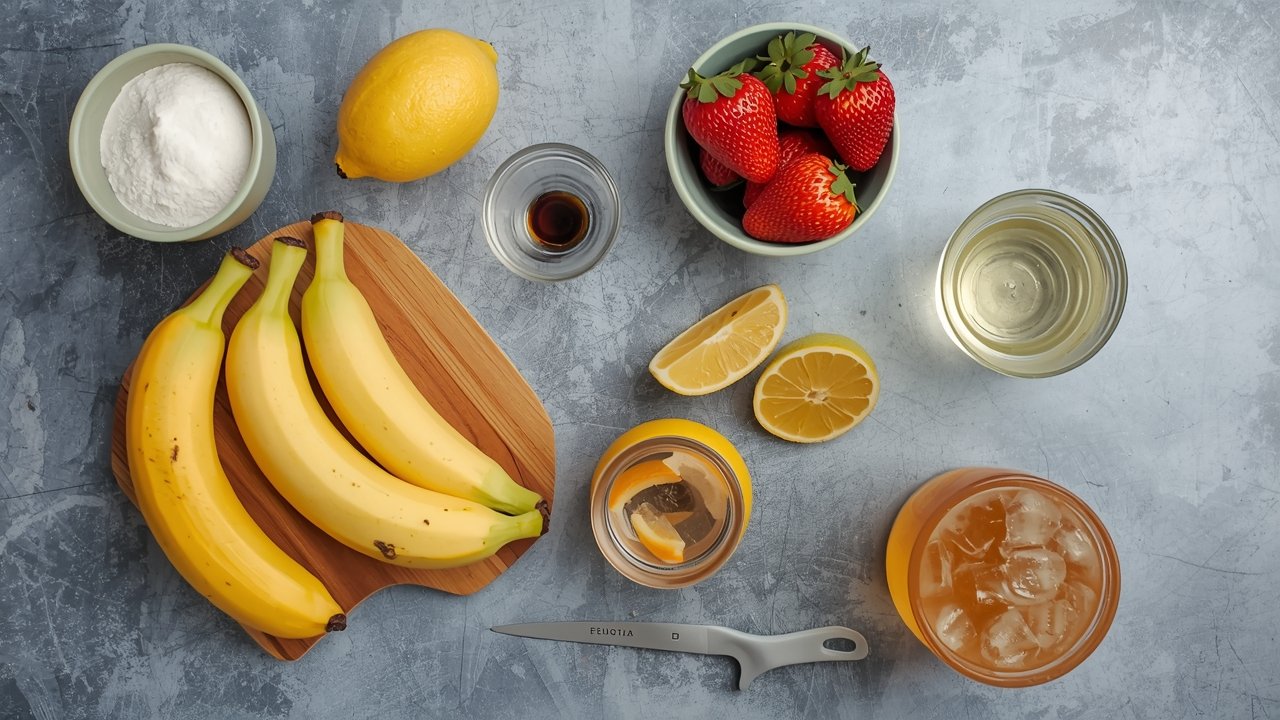
The beauty of fruit mocktails is that you probably have 80% of what you need already in your kitchen. Fresh or frozen fruit forms the base, and I’ve found that frozen berries often work better than expensive out-of-season fresh ones because they’re picked at peak ripeness. The other ingredients are simple pantry staples and a few inexpensive items from the grocery store produce section. You don’t need specialty bar equipment or hard-to-find ingredients—just fresh flavors and a little creativity.
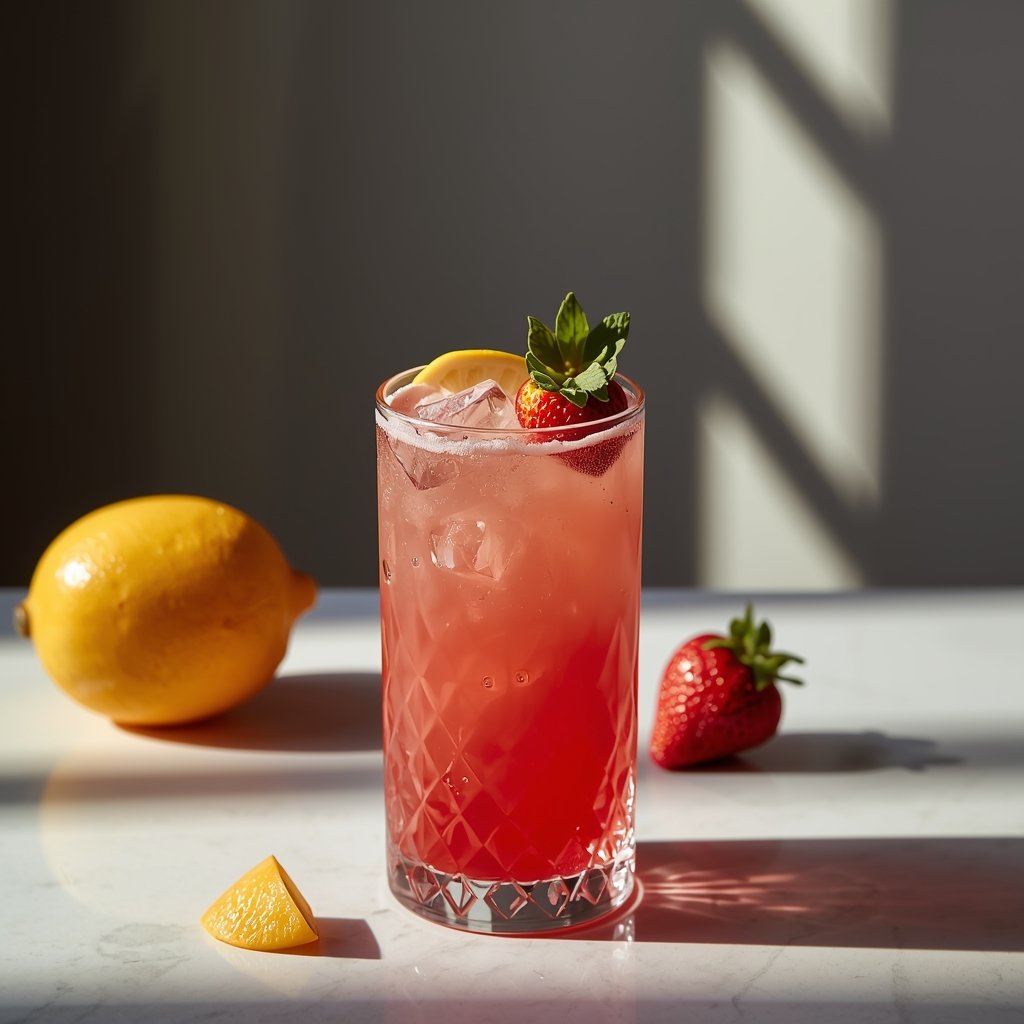
Fruit Mocktails Guide
Ingredients
Equipment
Method
- Gather all ingredients: fresh or frozen fruit, citrus juice, simple syrup or honey, and sparkling water
- Muddle the fresh or frozen fruit in a glass or shaker to release flavors and juices
- Add the fresh citrus juice and simple syrup or honey to the muddled fruit
- Fill the glass with ice and top with sparkling water or club soda
- Stir well to combine all ingredients and chill the mocktail
Core Ingredients
- 2 cups mixed fresh or frozen fruit – Provides the primary flavor and natural sweetness; berries, citrus, stone fruits, or tropical fruits all work beautifully
- 1/4 cup fresh citrus juice – Adds essential acidity that balances sweetness and brightens all other flavors; lemon and lime are most versatile
- 2-3 tablespoons simple syrup or honey – Sweetens the drink in a way that blends smoothly unlike granulated sugar which doesn’t dissolve well in cold liquids
- 2 cups sparkling water or club soda – Creates effervescence and proper dilution; the bubbles make the drink feel celebratory rather than just juice
- Fresh herbs (mint, basil, or rosemary) – Adds aromatic complexity and sophistication; muddling releases essential oils that elevate the drink from basic to restaurant-quality
- Ice cubes or crushed ice – Chills the drink and provides proper dilution as it melts; crushed ice is best for blended styles while cubes work for built drinks
- 2-3 cups cold water or coconut water – Provides body and additional hydration without overwhelming the fruit flavors; coconut water adds subtle sweetness and electrolytes
Optional Toppings & Add-Ins
- Fresh fruit slices for garnish
- Herb sprigs for aromatics and presentation
- Edible flowers for special occasions
- Flavored syrups (grenadine, vanilla, lavender)
- Fruit purees for layered effects
- Rim salt or sugar for glasses
- Cucumber ribbons or citrus twists
Ingredient Substitutions That Work
- Simple syrup → Agave nectar or maple syrup (use slightly less as both are sweeter, and they add subtle flavor notes)
- Sparkling water → Flavored sparkling water or ginger ale (adds extra dimension but increases sugar content with ginger ale)
- Fresh herbs → Dried herbs at 1/3 the amount (flavor is more concentrated but lacks the visual appeal and fresh aroma)
- Fresh citrus juice → Bottled 100% juice in a pinch (fresh tastes significantly brighter but bottled works for batch preparation)
- Fresh fruit → Frozen fruit without added sugar (often better quality than off-season fresh and more budget-friendly)
I’ve learned through extensive testing that the quality of your citrus juice makes the biggest difference in the final result. Bottled lemon juice tastes flat and bitter compared to freshly squeezed, so I always keep a few lemons and limes on hand. For herbs, I grow mint in a pot on my windowsill because it’s nearly impossible to kill and costs pennies compared to buying those plastic clamshells at the store. The one substitution I warn against is using regular soda instead of sparkling water—it makes the drink overwhelmingly sweet and masks the beautiful fruit flavors you’re trying to showcase.
How to Make Fruit Mocktails Guide (Step-by-Step)
Making impressive fruit mocktails is genuinely easier than most people think. The techniques are straightforward, and once you’ve made a couple, you’ll develop an intuition for balancing flavors. These steps work for most fruit mocktail styles, and I’ll note variations where certain drinks require different approaches.
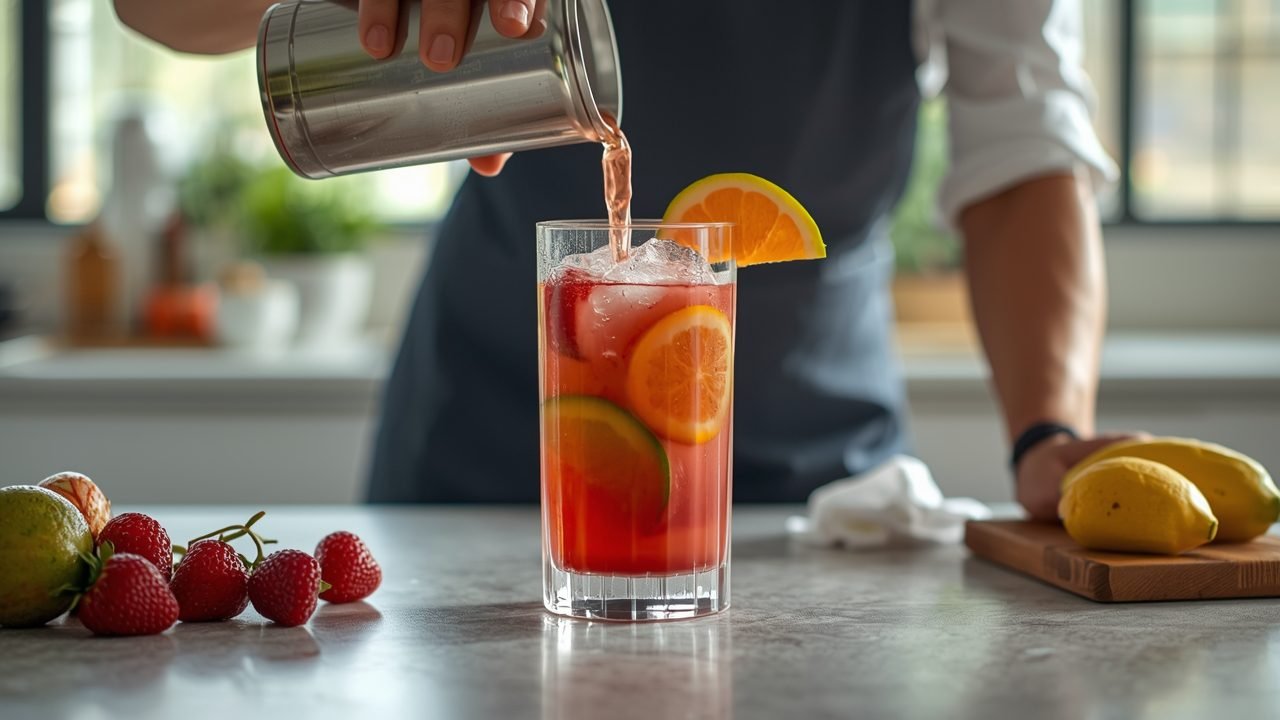
Step 1: Prepare Your Fruit and Herbs
Wash all fresh fruit thoroughly and cut into appropriate sizes for muddling or garnish. For berries, leave them whole if small or cut strawberries in half. For citrus, roll firmly on the counter before cutting to break down internal membranes and release more juice. If using herbs like mint or basil, gently clap them between your palms once before adding—this releases aromatic oils without bruising the leaves too aggressively, which can create bitterness.
Step 2: Muddle Your Base Ingredients
In the bottom of your glass or cocktail shaker, combine fruit pieces, herbs, and 1-2 tablespoons of your sweetener. Use a muddler or the back of a wooden spoon to press and twist gently for about 10-15 seconds. You’re releasing juices and oils, not pulverizing everything into mush. The mixture should look juicy with some texture remaining. Over-muddling herbs especially creates bitter, vegetal flavors that ruin the drink.
Step 3: Add Citrus Juice and Mix
Pour your fresh citrus juice over the muddled mixture. If using a shaker, add ice at this point and shake vigorously for 15-20 seconds until the outside of the shaker feels cold. If building directly in the glass, stir thoroughly with a bar spoon or regular spoon for 20-30 seconds. This step incorporates the sweetener completely and chills the drink base, which is crucial for the final result. You should see the sweetener fully dissolved with no graininess.
Step 4: Strain and Build Your Drink
If you muddled in a shaker, strain the mixture through a fine-mesh strainer into your serving glass filled with fresh ice. This removes seeds, herb bits, and fruit pulp for a cleaner presentation. If you built in the glass, you can skip this step unless you prefer a smoother texture. Add any additional liquid like plain water or coconut water at this stage, leaving about 2 inches of space at the top for your sparkling element.
Step 5: Top With Sparkling Water
Slowly pour sparkling water or club soda down the side of the glass to preserve carbonation. Pouring directly into the center causes bubbles to dissipate quickly. Give the drink one gentle stir from bottom to top to incorporate the bubbles throughout. The drink should have visible effervescence and a lively appearance. This final addition lightens the drink and adds that refreshing quality that makes mocktails special.
Step 6: Garnish and Serve Immediately
Add your garnishes now—a sprig of fresh herb, fruit slice on the rim, or whatever suits your mocktail style. Serve immediately while the drink is cold and carbonated. Have a straw ready if desired. The drink is at its absolute best within the first 5 minutes before ice melts significantly and bubbles fade.
🔥 Pro Tips from My Kitchen
- Chill your glasses in the freezer for 15 minutes before making drinks—this keeps them colder longer and looks professional
- Make flavored ice cubes by freezing fruit juice or pureed fruit so your drink gets stronger as ice melts instead of watered down
- Taste before adding sparkling water and adjust sweetness or acidity—once you add bubbles, modifications become difficult
- For parties, prepare the muddled fruit-citrus base in a pitcher up to 4 hours ahead, then add sparkling water when serving
- Layer denser ingredients first (like purees) then slowly pour lighter liquids over the back of a spoon for Instagram-worthy gradient effects
Fruit Mocktails Guide Nutrition Facts
These nutrition values are per serving (one mocktail) using the basic recipe with mixed berries, honey, and sparkling water. Your numbers will vary based on specific fruits and sweetener amounts you choose.
| Nutrient | Per Serving |
|---|---|
| Calories | 85 kcal |
| Total Fat | 0.3g |
| Carbohydrates | 22g |
| Sugar | 18g |
| Protein | 0.8g |
| Sodium | 15mg |
| Fiber | 2.5g |
| Vitamin C | 35% DV |
Nutrition will vary significantly based on which fruits you choose and how much sweetener you add. Most of the calories come from natural fruit sugars and added sweetener, while the sparkling water adds essentially zero calories. Using coconut water instead of regular water adds about 45 calories per serving but also contributes potassium and electrolytes.
How to Make Fruit Mocktails Guide Healthier
The standard fruit mocktail recipes are already relatively healthy compared to sugary sodas or juice cocktails, but you can make them even better with a few smart modifications. I’ve tested all of these adjustments extensively, and I’ll be honest about which ones maintain the best flavor.
- Cut sugar by 60%: Reduce sweetener to 1 tablespoon and rely more on naturally sweet fruits like mango, pineapple, or ripe berries (drops calories to about 55 per serving)
- Use zero-calorie sweetener: Replace honey or simple syrup with stevia or monk fruit sweetener at a 1:3 ratio (I prefer monk fruit as it has less aftertaste)
- Boost fiber and thickness: Add 1 tablespoon chia seeds to the muddled mixture and let sit for 5 minutes before building the drink (adds 3g fiber and creates interesting texture)
- Increase antioxidants: Use deeply colored fruits like blueberries, blackberries, or pomegranate which have higher antioxidant levels than lighter-colored options
- Add protein quietly: Blend in 1 scoop unflavored collagen powder which dissolves completely and adds 10g protein without changing taste
- Replace sweetener with dates: Blend 2-3 pitted dates with your fruit base for natural sweetness plus fiber (works best in blended mocktails rather than clear ones)
- Make it prebiotic: Add 1 teaspoon of inulin powder or acacia fiber which feeds beneficial gut bacteria and adds zero calories or flavor
I personally use about half the sweetener most recipes call for because I’ve trained my palate to appreciate less intense sweetness. The modification I use most often is switching to coconut water instead of regular water and then using only 1 tablespoon of honey—the coconut water has enough natural sweetness that you don’t need much added sugar. The one swap I don’t love is artificial sweeteners in cold drinks, as most have a noticeable aftertaste that clashes with fresh fruit flavors.
Essential Tools for Perfect Fruit Mocktails Guide
You can absolutely make fruit mocktails with basic kitchen items you already own, but investing in a couple of inexpensive tools makes the process faster and the results more consistent. These three items have earned permanent spots on my counter.
1. Glass Pitcher with Lid – Batch Preparation Essential
Large Glass Pitcher with Airtight Lid
A quality glass pitcher is absolutely crucial for making mocktails for groups or preparing bases ahead of time. I use mine constantly for muddling large batches of fruit mixtures that I portion out when guests arrive. Glass doesn’t absorb flavors or odors like plastic, and you can see exactly what you’re working with for layered effects. Look for one with measurement markings on the side and a lid that seals well so you can shake ingredients without disaster.
2. Cocktail Muddler – Proper Flavor Extraction
A proper muddler makes releasing fruit juices and herb oils so much easier than improvising with spoons or other kitchen tools. The flat, textured end crushes ingredients efficiently without pulverizing them into mush, which is important for maintaining the right texture. Wooden muddlers are better than metal or plastic because they don’t scratch glasses and they feel better in your hand. This tool costs less than two bar mocktails and will last for years.
3. Fine Mesh Strainer – Professional Presentation
The difference between cloudy, pulpy mocktails and crystal-clear professional versions comes down to proper straining. A fine mesh strainer catches herb fragments, fruit seeds, and pulp that would otherwise float in your drink and create an unappealing texture. I use mine every single time I make mocktails, even for casual family drinks. The small 3-4 inch size is perfect for straining directly into individual glasses without making a mess.
4 Mistakes That Ruin Fruit Mocktails Guide (And How to Fix Them)
I’ve made every one of these mistakes multiple times while developing my fruit mocktail techniques. Learning what not to do is just as important as learning proper methods.
Mistake #1: Adding Sparkling Water Too Early
The Problem: When you add carbonated water at the beginning or shake it with other ingredients, you lose all the bubbles that make mocktails feel special. The drink ends up flat and tastes more like diluted juice.
The Fix: Always add sparkling water as the absolute last step after everything else is mixed and strained. Pour it slowly down the side of the glass and stir just once gently from bottom to top.
Mistake #2: Over-Muddling Herbs
The Problem: Aggressive muddling tears herb leaves apart and releases chlorophyll and bitter compounds along with the aromatic oils you want. The result is a greenish drink with unpleasant bitter undertones that overpower fruit flavors.
The Fix: Press and twist gently for just 10-15 seconds until you smell the herb’s aroma strongly. You’re bruising the leaves to release oils, not grinding them into paste.
Mistake #3: Using Too Much Ice Initially
The Problem: If you fill your glass with ice before adding liquid ingredients, the drink gets over-diluted as you build it and stir. By the time you’re done, it tastes watery and weak.
The Fix: Mix everything in a shaker with ice or in a separate glass, then strain into a fresh glass with new ice. This gives you proper chilling and dilution without overdoing it.
Mistake #4: Not Tasting Before Final Assembly
The Problem: Once you add sparkling water and ice, adjusting sweetness or acidity becomes nearly impossible. You’re stuck with whatever balance you created, even if it’s too tart or too sweet.
The Fix: Always taste your base mixture before adding bubbles and ice. Adjust sweetness, add more citrus if needed, or add a splash of water if flavors are too intense. Get it perfect first, then build the final drink.
Storing Your Fruit Mocktails Guide (Make-Ahead Guide)
Fruit mocktails are absolutely best consumed immediately after you make them, when carbonation is lively and ice hasn’t diluted the flavors. That said, I’ve figured out smart ways to prepare components ahead for parties without sacrificing quality.
You can store the muddled fruit and herb base in an airtight container in the refrigerator for up to 4 hours before serving. Keep the mixture chilled and don’t add citrus juice until about 30 minutes before you plan to serve, as acid starts breaking down fresh fruit and herbs over time. The sweetener can be mixed in early, but save sparkling water and ice for the final moment.
For longer storage, freeze fruit purees in ice cube trays and use them as flavor bombs that strengthen your drink as they melt instead of diluting it. These fruit cubes last for 2-3 months in the freezer and work beautifully for impromptu mocktail making. I keep trays of frozen berry puree, mango, and watermelon on hand all summer.
Complete mocktails don’t store well at all—carbonation dissipates within 30 minutes, ice melts and dilutes everything, and herbs start looking sad and wilted. If you somehow have leftovers, you can refrigerate the flat liquid for up to 24 hours and rebubble it with fresh sparkling water, but it never tastes quite as good.
My typical party routine involves prepping all my fruit, making simple syrup, and washing herbs the morning of the event. An hour before guests arrive, I muddle the bases for 2-3 different mocktail styles and keep them in labeled pitchers in the fridge. As people arrive, I quickly add ice and sparkling water to individual glasses on demand, which takes about 30 seconds per drink and ensures everyone gets the freshest version.
Fruit Mocktails Guide Recipe FAQs
Can I make Fruit Mocktails Guide ahead of time?
You can prepare mocktail components 4-6 hours ahead but shouldn’t assemble the complete drinks until serving time. Muddle your fruit and herb bases, make simple syrups, and prep garnishes in advance, storing everything refrigerated in separate containers. Add sparkling water and ice only at the moment of serving to maintain carbonation and proper temperature. Complete mocktails lose their bubbles within 30 minutes and become watery as ice melts, so they’re always best made fresh. For parties, I prep everything beforehand and do final assembly as guests arrive, which takes under a minute per drink.
What makes a mocktail different from regular juice or soda?
Mocktails are intentionally crafted beverages that balance multiple flavor elements like sweetness, acidity, bitterness, and aromatics using techniques borrowed from mixology. Unlike juice which is simply fruit squeezed into liquid, mocktails combine fresh ingredients, herbs, syrups, and sparkling elements in specific ratios to create complexity and interest. They’re designed to be sipped and savored rather than gulped, with visual presentation that makes them feel special and celebratory. The carbonation and fresh herb aromatics create a sensory experience that goes beyond basic refreshment, making mocktails feel more like an occasion than just hydration.
Can I make Fruit Mocktails Guide without a muddler?
Yes, you can use the back of a wooden spoon, a potato masher, or even a rolling pin to muddle fruits and herbs. The goal is gentle pressing and twisting to release juices and essential oils without pulverizing everything into mush. A large wooden spoon works surprisingly well—press down and twist in the bottom of your glass for 10-15 seconds. Avoid metal spoons as they can scratch glasses and don’t provide enough surface area for effective muddling. While improvised tools work fine, I found that buying an actual muddler for less than $10 made the process much easier and more consistent, so it’s worth the small investment if you plan to make mocktails regularly.
How do I make Fruit Mocktails Guide less sweet?
Reduce added sweetener to just 1 tablespoon or eliminate it entirely if using naturally sweet fruits like ripe mango or pineapple. Increase the citrus juice slightly to balance remaining sweetness with more acidity, which makes the drink taste more refreshing and less cloying. Use plain sparkling water rather than flavored varieties that often contain sugar, and consider adding a pinch of salt which enhances fruit flavors while reducing perceived sweetness. My preferred method is using half the sweetener the recipe calls for and tasting before adding sparkling water, adjusting if needed—you can always add more sweetness but you can’t remove it once it’s in.
Why doesn’t my Fruit Mocktails Guide taste like the restaurant version?
The most common reason is using bottled citrus juice instead of fresh-squeezed, which tastes flat and bitter in comparison. Restaurant mocktails almost always use fresh ingredients including herbs, fruits, and citrus that are prepared to order. Other likely culprits include over-sweetening (home cooks tend to add too much sugar), using the wrong ice-to-liquid ratio, or not properly chilling ingredients before assembly. Make sure you’re muddling correctly to extract herb oils, straining out pulp and seeds for smooth texture, and adding sparkling water at the very end to preserve carbonation. Temperature matters too—all components should be cold before mixing, and using room-temperature ingredients creates a lukewarm, flat-tasting drink.
Are fruit mocktails actually healthy?
Fruit mocktails can be healthy depending on how much sweetener you add and which ingredients you choose. The basic recipe provides vitamins, antioxidants, and hydration from fresh fruit and water, with fiber if you don’t strain too thoroughly. However, many restaurant versions contain as much sugar as soda—often 40-50g per serving from added syrups and juices. By making them at home, you control sweetness and can use minimal added sugar, relying instead on naturally sweet ripe fruit. For the healthiest versions, use mostly whole fruits, limit sweetener to 1 tablespoon or less, choose water or coconut water as your base, and skip any artificial ingredients.
What’s the best fruit combination for mocktails?
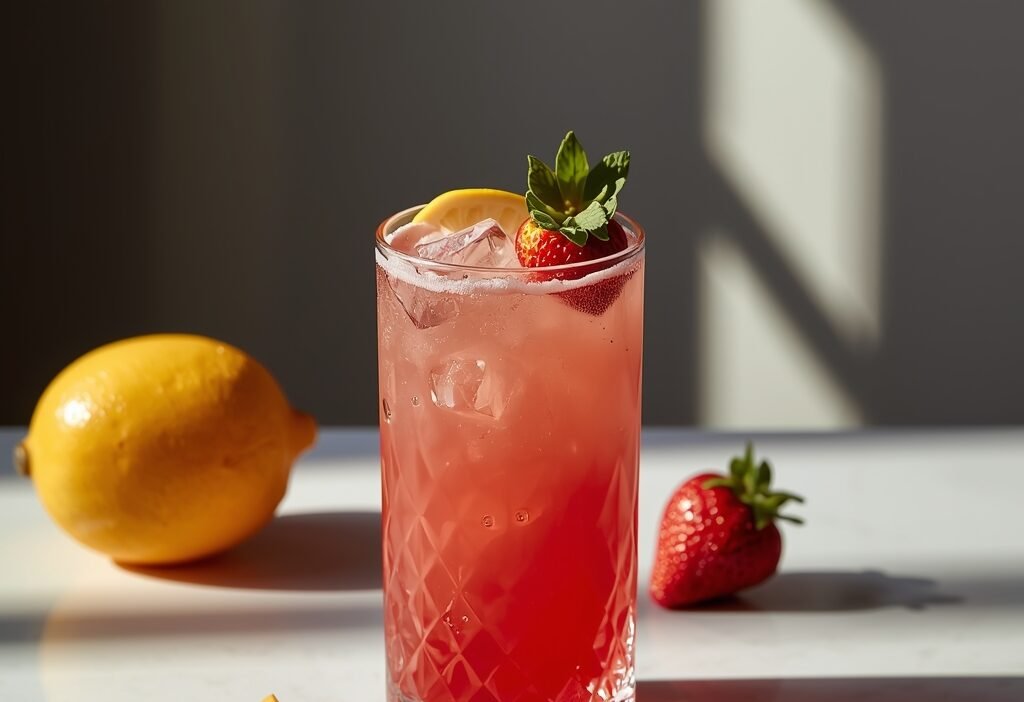
The most reliably delicious combination is berries (strawberry, raspberry, or blueberry) with lemon and mint, which balances sweet, tart, and aromatic elements perfectly. Watermelon with lime and basil is my summer favorite for its refreshing quality and beautiful pink color. For tropical flavors, pineapple, mango, and coconut water with a squeeze of lime never disappoints. The key principle is pairing sweet fruit with citrus for acidity and an herb for aromatic complexity—this three-part structure works with virtually any fruit you have available and ensures balanced, interesting flavors rather than one-dimensional sweetness.
Final Thoughts on Making Fruit Mocktails Guide at Home
Creating impressive fruit mocktails at home is genuinely one of the most satisfying kitchen skills you can develop. You’ll save about $6.45 per drink compared to ordering at restaurants or bars, and the 10-15 minute time investment gets you something that tastes fresher and more vibrant than most commercial versions. This Fruit Mocktails Guide gives you the fundamental techniques and knowledge to improvise with whatever ingredients you have on hand, making you completely independent from expensive bar menus.
The authenticity of homemade fruit mocktails comes from using fresh ingredients and proper technique, not from fancy equipment or hard-to-find supplies. Once you understand the basic structure—muddled fruit and herbs, citrus for acidity, sweetener to balance, and sparkling water for lift—you can create endless variations tailored to your exact preferences. Your Fruit Mocktails Guide becomes a launching point for creativity rather than just a recipe to follow exactly.
I make these mocktails at least twice a week, especially during summer when fresh fruit is abundant and inexpensive. My kids request them for weekend breakfasts, and guests at dinner parties consistently comment that they taste better than what they’ve ordered at upscale restaurants. The technique becomes second nature after a few attempts, and you’ll find yourself eyeing produce at the store with new inspiration for flavor combinations.
If you tried this Fruit Mocktails Guide recipe approach, please leave a star rating below and let me know which fruit combination you tried in the comments! I read every single one and love hearing about your Fruit Mocktails Guide creations and which variations worked best for your taste preferences.
Save this recipe by pinning it to Pinterest or bookmarking this page – you’ll want to reference this Fruit Mocktails Guide again and again as your go-to resource for impressive alcohol-free beverages!
📖 Recipe Card
Basic Fruit Mocktail (Master Recipe)
Prep Time: 10 minutes | Total Time: 15 minutes | Servings: 4 mocktails
Ingredients:
- 2 cups mixed berries (fresh or frozen)
- 1/4 cup fresh lemon juice (about 2 lemons)
- 2-3 tablespoons honey or simple syrup
- 8-10 fresh mint leaves
- 2 cups cold water or coconut water
- 2 cups sparkling water, chilled
- Ice cubes
- Fresh berries and mint sprigs for garnish
Instructions:
- In a large pitcher, muddle berries, mint leaves, and honey together for 15 seconds until juicy.
- Add lemon juice and cold water, stirring well to combine and dissolve sweetener completely.
- Strain mixture through fine mesh strainer into a clean pitcher, pressing gently on solids to extract juice.
- Fill four glasses with ice cubes, then divide strained mixture evenly among glasses.
- Top each glass with 1/2 cup sparkling water, pouring slowly down the side.
- Stir gently once from bottom to top, garnish with fresh berries and mint, and serve immediately.
Notes:
- Adjust sweetness by starting with 2 tablespoons and adding more to taste
- For a clearer drink, strain twice through fine mesh
- Substitute any combination of fruits and herbs using the same ratios
- Make the base up to 4 hours ahead, adding sparkling water only when serving