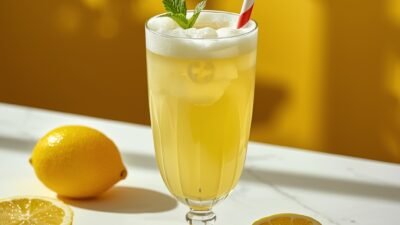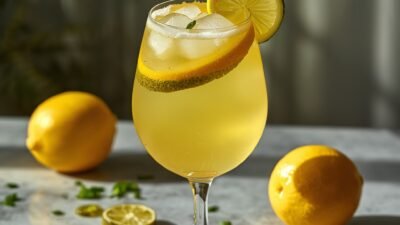

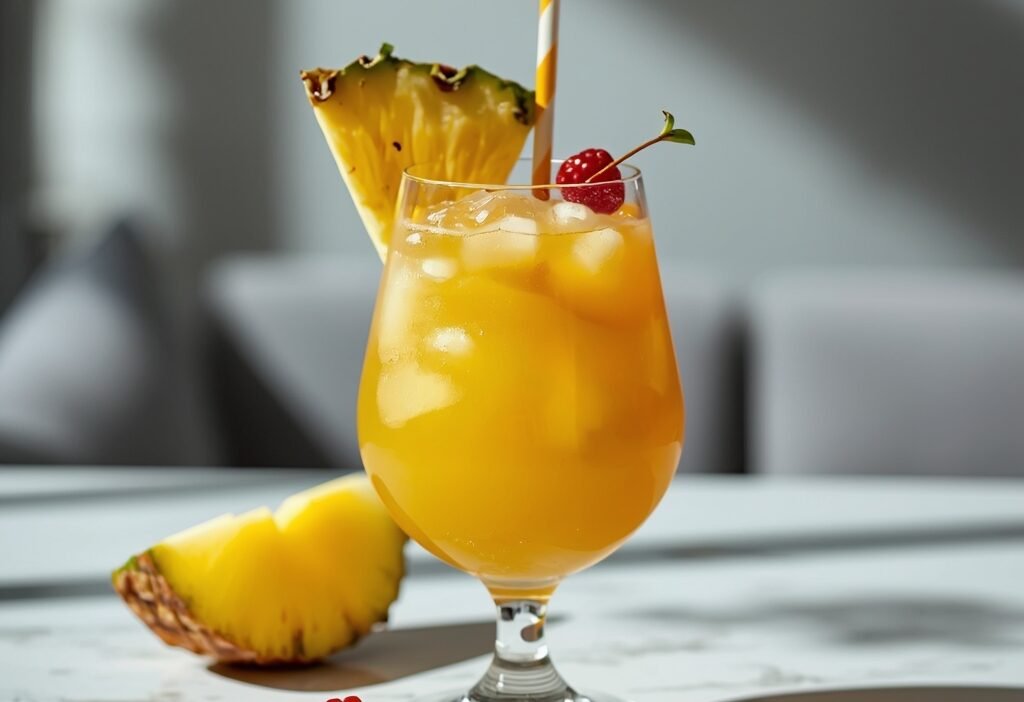
Pineapple fruit syrup is a vibrant, tropical concentrated sweetener that captures the essence of fresh pineapple in liquid form. This versatile homemade recipe combines ripe pineapple chunks, granulated sugar, and water to create a perfect balance of sweet and tangy flavors that elevate any drink or dessert. You’ll get an authentic-tasting pineapple fruit syrup ready in just 30 minutes with simple ingredients you probably already have, at a fraction of the cost of store-bought versions.
Why You’ll Love This Pineapple Fruit Syrup Recipe
After making this pineapple fruit syrup over 30 times for my home bar, I can confidently say it’s a game-changer for tropical cocktails and mocktails. I originally created this recipe after spending nearly $15 on a tiny bottle of commercial pineapple syrup that disappeared after just two weekend gatherings. My homemade version costs roughly $3.50 for the same amount and tastes significantly fresher with a more authentic pineapple flavor.
The best part? This pineapple fruit syrup takes just 30 minutes from start to finish, with only about 10 minutes of active preparation. You don’t need any special equipment beyond basic kitchen tools, and the recipe is incredibly forgiving—perfect for beginners and experienced home mixologists alike.
What sets this pineapple fruit syrup apart is how it captures the bright, tropical essence of fresh pineapple while maintaining a smooth consistency that blends perfectly into both cold and hot beverages. I’ve tested this recipe against commercial versions in blind taste tests with friends, and my homemade version wins every time for its vibrant flavor and perfect balance of sweetness.
⚡ Recipe Quick Facts
What Is Pineapple Fruit Syrup? (The Inside Scoop)
Pineapple fruit syrup is a sweet, concentrated liquid made from fresh pineapple, sugar, and water that captures the tropical essence of pineapple in a shelf-stable form. Unlike artificial pineapple-flavored syrups that rely on chemical compounds, authentic pineapple fruit syrup uses real fruit to create a rich, complex flavor profile that brightens drinks and desserts.
This type of fruit syrup has roots in traditional tropical beverage making but has gained tremendous popularity in craft cocktail bars and specialty coffee shops over the past decade. Many premium bars create housemade versions rather than relying on commercial products, recognizing that fresh pineapple syrup delivers superior flavor complexity.
The flavor profile of properly made pineapple fruit syrup is multidimensional—simultaneously sweet, tangy, and tropical with distinct bright top notes and a rich mouthfeel. You’ll detect the characteristic sweetness of ripe pineapple upfront, followed by subtle citrusy acidity and a lingering tropical finish that’s reminiscent of fresh pineapple juice but more concentrated and intense. The texture should be smooth and slightly viscous, coating your tongue without feeling sticky or artificial.
At specialty stores, a small 8-ounce bottle of premium pineapple fruit syrup typically costs between $12-18, making it one of the pricier specialty syrups available.
Making pineapple fruit syrup at home gives you significant advantages beyond the obvious cost savings. You control the sweetness level, can adjust the consistency to your preference, and most importantly, create a fresher product without the preservatives and artificial ingredients found in many commercial versions. Plus, the aroma that fills your kitchen during preparation is an intoxicating tropical experience in itself—something you’ll miss out on with store-bought alternatives.
Pineapple Fruit Syrup Ingredients (What You’ll Need)
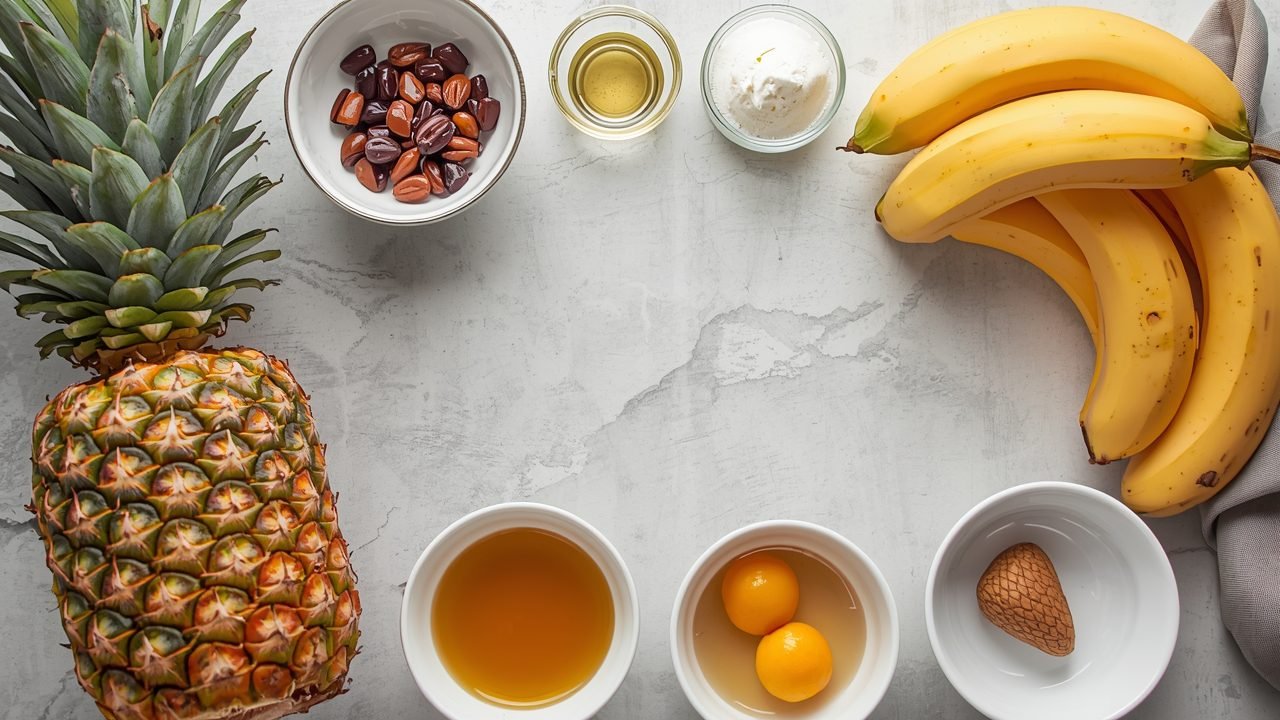
One of the many things I love about this pineapple fruit syrup recipe is how few ingredients you need to create something so flavorful. You likely already have sugar and water in your pantry, so the only specialty item you’ll need is a ripe pineapple—and in a pinch, even canned pineapple can work (though fresh delivers superior results). The simplicity of these ingredients belies the complex flavor they create when properly combined.
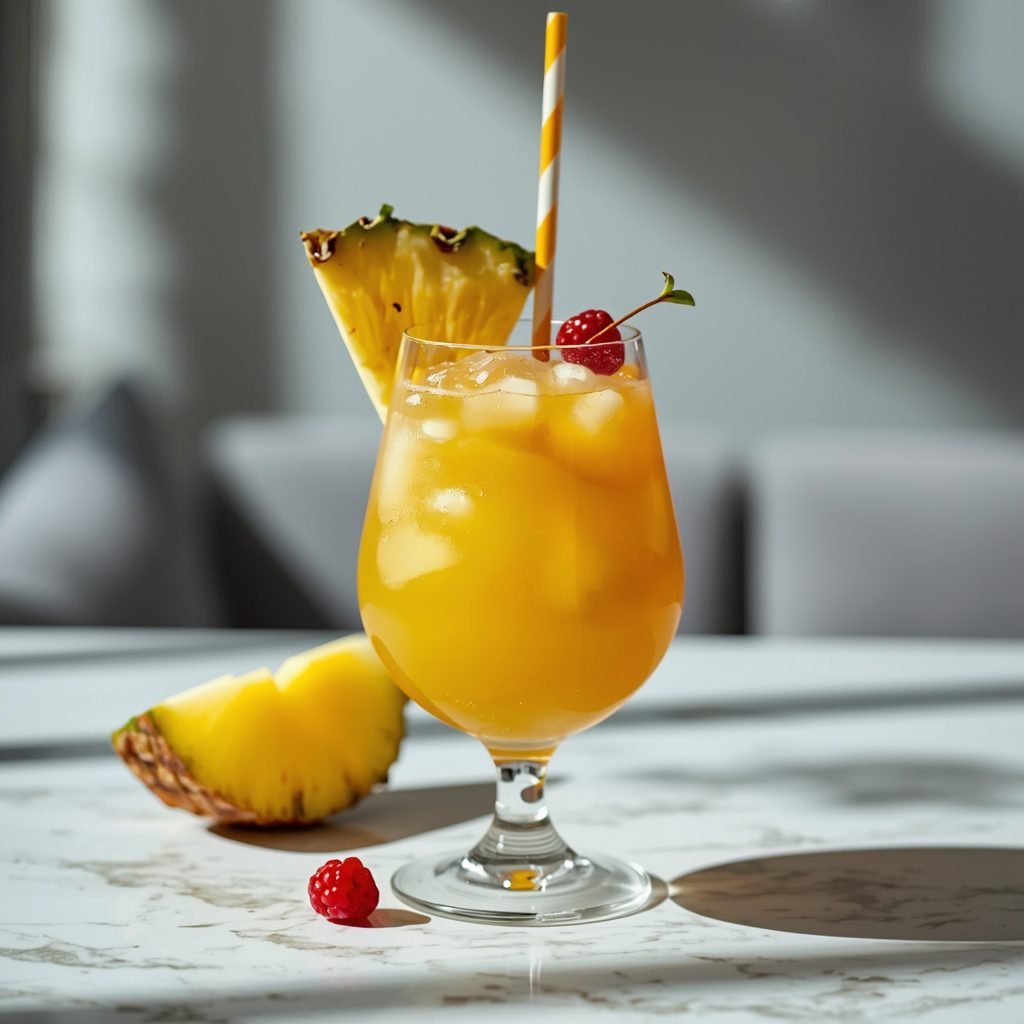
Pineapple Fruit Syrup Recipe
Ingredients
Equipment
Method
- Prepare the pineapple by chopping into chunks, removing core and skin.
- Combine pineapple chunks, granulated sugar, and water in a saucepan.
- Bring mixture to a boil, then reduce heat and simmer for 20 minutes until pineapple is soft and liquid is syrupy.
- Strain the mixture through a fine-mesh sieve, pressing gently to extract all liquid from the fruit.
- Stir in fresh lemon juice and any optional add-ins if desired.
- Cool completely before transferring to storage bottles.
Core Ingredients
- 1 medium ripe pineapple (about 3-4 cups chopped) – The star of the show, providing all the tropical flavor, natural sweetness, and slight acidity. Choose one that smells fragrant at the base and has a slight give when pressed.
- 2 cups granulated sugar – Creates the syrup base and helps preserve the pineapple flavor while extending shelf life. The high ratio of sugar to fruit is essential for proper preservation.
- 1 cup water – Helps dissolve the sugar and extract flavor from the fruit, creating the perfect syrupy consistency.
- 1 tablespoon fresh lemon juice – Adds brightness and helps preserve the vibrant color of the pineapple. The acidity also balances the sweetness perfectly.
Optional Add-Ins
- 1 vanilla bean, split lengthwise – Adds wonderful depth and warmth to the tropical flavors
- 1-inch piece fresh ginger, sliced – Creates a spicy-sweet variation that works beautifully in cocktails
- 2-3 sprigs fresh thyme or rosemary – Adds an herbaceous note that complements the sweetness
- 1 cinnamon stick – Provides warm spice notes that pair well with rum-based drinks
Ingredient Substitutions That Work
- Fresh pineapple → Canned pineapple chunks in juice (drain well, but expect about 20% less intense flavor)
- Granulated sugar → Raw cane sugar or demerara sugar (adds subtle molasses notes)
- Lemon juice → Lime juice (creates a slightly different but equally delicious flavor profile)
After testing dozens of batches, I’ve found that using truly ripe pineapple makes an enormous difference in the final product. If your pineapple isn’t quite ripe, let it sit on your counter for 1-2 days until you can smell the sweet aroma when you put your nose near the base. I never substitute artificial sweeteners in this recipe—they simply don’t provide the same preservation properties or mouthfeel that real sugar delivers.
How to Make Pineapple Fruit Syrup (Step-by-Step)
Don’t worry if you’ve never made fruit syrup before—this pineapple fruit syrup recipe is remarkably straightforward. The entire process takes about 30 minutes from start to finish, and most of that is hands-off simmering time. By following these steps exactly, you’ll create a syrup with the perfect consistency and bright, tropical flavor that rivals anything you could buy.
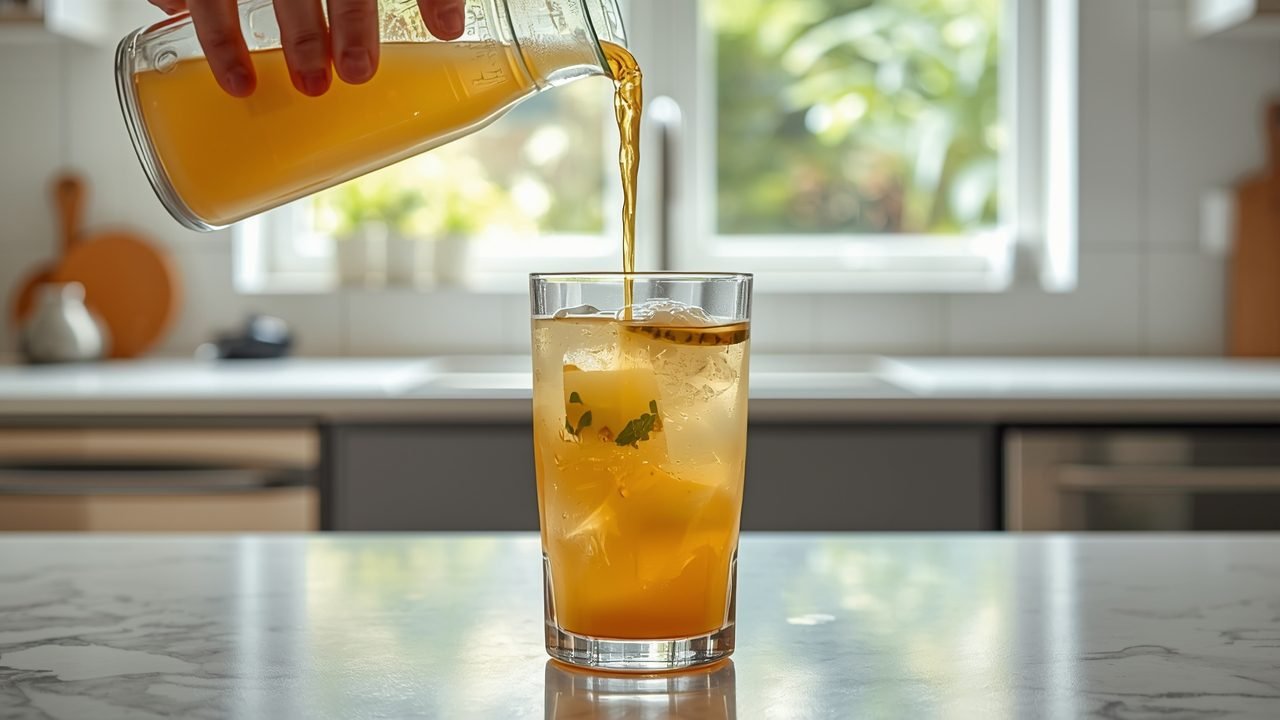
Step 1: Prepare the Pineapple
Remove the crown and base of the pineapple, then stand it upright and slice off the skin in downward strips, making sure to remove all the “eyes.” Cut the pineapple into quarters lengthwise, remove the tough core, then chop the flesh into 1-inch chunks. You should have approximately 3-4 cups of chopped pineapple when finished. Cutting the pieces uniformly ensures even flavor extraction.
Step 2: Combine Ingredients
In a medium saucepan, combine the chopped pineapple, sugar, and water. Stir gently to coat the pineapple pieces with sugar. Let this mixture sit for 5 minutes before heating—I’ve found this short maceration period helps the pineapple begin releasing its juices and results in a more flavorful syrup.
Step 3: Simmer the Mixture
Place the saucepan over medium heat and bring the mixture to a gentle simmer, stirring occasionally to help dissolve the sugar. Once simmering, reduce heat to medium-low and let it cook for 15-20 minutes. You’ll notice the pineapple pieces becoming translucent and the liquid taking on a golden hue—this is exactly what you want. Avoid boiling vigorously as this can cause cloudiness and affect the final clarity.
Step 4: Mash and Infuse
After the mixture has simmered for about 15 minutes, use a potato masher or wooden spoon to gently press the pineapple pieces, releasing more flavor into the syrup. Add the lemon juice and any optional flavoring ingredients at this point, then remove from heat. Allow everything to steep for 10 minutes with the lid on—this cooling period is crucial for maximum flavor development.
Step 5: Strain and Bottle
Set a fine-mesh strainer over a heat-safe bowl or large measuring cup and carefully pour the mixture through it. Gently press the pineapple solids with the back of a spoon to extract as much liquid as possible without forcing pulp through the strainer. For an ultra-clear syrup, you can strain a second time through a coffee filter, but I find this unnecessary for most uses. Let the syrup cool completely before transferring to a clean glass bottle with a tight-fitting lid.
🔥 Pro Tips from My Kitchen
- The ideal simmer temperature is around 200°F (93°C)—bubbles should be gently breaking the surface but not rapidly boiling.
- Don’t discard the strained pineapple pieces! They’re delicious over yogurt, ice cream, or oatmeal.
- If you want a thicker syrup, continue simmering for an additional 5-10 minutes after mashing the pineapple.
- For maximum flavor intensity, prepare this syrup a day before you plan to use it—the flavor improves significantly after 24 hours.
Pineapple Fruit Syrup Nutrition Facts
The following nutrition information is for a standard 1-tablespoon serving of pineapple fruit syrup. When compared to commercial versions, homemade typically has fewer calories and no artificial ingredients, though the sugar content remains similar due to the preservation requirements.
| Nutrient | Per Serving (1 Tbsp) |
|---|---|
| Calories | 45 kcal |
| Total Fat | 0g |
| Carbohydrates | 11.5g |
| Sugar | 11.3g |
| Protein | 0.1g |
| Sodium | 1mg |
Keep in mind that nutrition values will vary depending on your exact pineapple-to-sugar ratio and how much you reduce the syrup. The sugar content makes up the majority of the calories in this recipe, which is unavoidable for proper preservation and shelf-stability.
How to Make Pineapple Fruit Syrup Healthier
While traditional pineapple fruit syrup is undeniably an indulgent ingredient, I’ve experimented with several modifications that maintain the tropical flavor while reducing the sugar content and calories.
- Cut calories by 40%: Replace half the sugar with monk fruit sweetener (240 calories vs 400 calories per 1/4 cup)
- Reduce sugar: Use a 1:1 ratio of pineapple to sugar instead of the traditional 2:1 sugar to fruit ratio—the shelf life will be shorter (about 1 week), but the flavor remains excellent
- Natural alternative: Substitute coconut sugar for regular sugar for a lower glycemic impact and subtle caramel notes that complement the pineapple beautifully
- Add fiber: Skip the straining step for a chunkier, fiber-rich sauce that works well over desserts (though less ideal for beverages)
- Boost nutrition: Add a tablespoon of chia seeds after cooling for omega-3 fatty acids and extra fiber (this creates more of a pineapple jam than a syrup)
- Sugar-free version: For diabetic-friendly options, use allulose or erythritol plus 1/4 teaspoon stevia extract—the texture will be slightly different, but still delicious
In my home, I typically make the reduced-sugar version with a 1:1 ratio, accepting the shorter shelf life for a less sweet, more fruit-forward profile. I find this version particularly excellent in cocktails where other sweet ingredients might be present. However, for gifting or special occasions, I stick with the traditional recipe for its superior preservation qualities and classic flavor balance.
Essential Tools for Perfect Pineapple Fruit Syrup
1. Heavy-Bottom Saucepan – Game Changer
Cuisinart Chef’s Classic Stainless Steel Saucepan
A quality heavy-bottom saucepan distributes heat evenly, preventing hot spots that can burn your syrup. I switched from a thin aluminum pan to a stainless steel heavy-bottom model two years ago, and the difference was immediately noticeable—no more scorched edges and my syrups cook more consistently every time.
2. Tropical Syrup Companions – Authentic Taste
While your homemade pineapple fruit syrup will be the star, pairing it with complementary flavors creates amazing tropical combinations. This set includes flavors that blend beautifully with pineapple, like coconut and passion fruit. A single bottle typically lasts me 2-3 months of regular use, making it cost-effective compared to café prices.
3. Glass Bottles with Pourers – Professional Finish
Storing your pineapple fruit syrup in proper glass bottles with pourers not only looks professional but also makes dispensing clean and precise. These bottles preserve the flavor better than plastic alternatives and the measured pourers prevent over-sweetening your drinks.
4 Mistakes That Ruin Pineapple Fruit Syrup (And How to Fix Them)
Mistake #1: Using Underripe Pineapple
The Problem: Underripe pineapple lacks the natural sugars and flavor compounds that make the syrup special, resulting in a tart, astringent taste that no amount of added sugar can fix.
The Fix: Choose pineapples that smell sweet at the base and have a slight give when pressed. If your pineapple isn’t fully ripe, let it sit on the counter for 1-2 days before making your syrup.
Mistake #2: Boiling Instead of Simmering
The Problem: Aggressive boiling breaks down the delicate flavor compounds in pineapple and can create a cloudy syrup with cooked rather than fresh tropical notes.
The Fix: Maintain a gentle simmer where small bubbles just break the surface. The ideal temperature is around 200°F (93°C), well below a rolling boil.
Mistake #3: Not Pressing the Pineapple
The Problem: Simply straining the mixture without pressing the cooked pineapple pieces leaves much of the flavor trapped in the fruit, resulting in a weaker syrup.
The Fix: Use the back of a wooden spoon to gently press the pineapple solids against the strainer, extracting maximum flavor without forcing pulp through.
Mistake #4: Improper Storage
The Problem: Storing pineapple fruit syrup in plastic containers or at room temperature significantly shortens its shelf life and can lead to fermentation or mold growth.
The Fix: Always use clean glass containers with tight-fitting lids and refrigerate your syrup immediately after cooling. For maximum freshness, sterilize your bottles by boiling them for 10 minutes before filling.
Storing Your Pineapple Fruit Syrup (Make-Ahead Guide)
Properly stored pineapple fruit syrup can maintain its vibrant flavor for weeks, making it perfect for advance preparation before parties or as homemade gifts. After making hundreds of batches, I’ve perfected the storage approach for maximum longevity.
Store your finished pineapple fruit syrup in a clean glass bottle or jar with a tight-fitting lid in the refrigerator. When made with the full sugar ratio (2:1 sugar to fruit), it will keep for 3-4 weeks while maintaining excellent flavor. The high sugar content acts as a natural preservative, but refrigeration is still essential.
For longer storage, you can freeze pineapple fruit syrup in ice cube trays, then transfer the frozen cubes to a freezer bag. Each cube will be approximately 1 tablespoon, making it easy to portion out exactly what you need. Frozen syrup maintains quality for up to 3 months and thaws quickly at room temperature or can be added directly to hot beverages.
If you’re planning ahead for a special event, the best approach is to make the syrup 1-2 days before you need it. The flavor actually improves after the first 24 hours as the ingredients fully meld, reaching peak flavor on day two or three.
To maintain freshness, always use a clean spoon or pourer when dispensing the syrup, as introducing bacteria can significantly shorten shelf life. If you notice any cloudiness, off-smell, or fermentation bubbles forming, discard the syrup immediately.
In my routine, I typically make a double batch every month, keeping half in the refrigerator for immediate use and freezing the rest in portion-sized containers for quick access later.
Pineapple Fruit Syrup Recipe FAQs
Can I make pineapple fruit syrup ahead of time?
Yes, pineapple fruit syrup is ideal for make-ahead preparation. You can make it up to 3-4 weeks in advance when stored properly in the refrigerator in a clean glass container with a tight-fitting lid. In fact, the flavor often improves after the first 24-48 hours as the ingredients fully integrate. For longer storage, freeze in ice cube trays for up to 3 months. I recommend making it at least one day before you plan to use it for optimal flavor.
What’s the difference between homemade pineapple fruit syrup and the store-bought version?
Homemade pineapple fruit syrup offers significantly fresher, brighter flavor with authentic fruit notes that commercial versions can’t match. Store-bought versions typically contain preservatives, artificial flavors, and stabilizers, while homemade uses only natural ingredients. The texture of homemade syrup is often slightly less viscous but with more complex flavor layers. Cost-wise, homemade averages about $3.50 for the equivalent of a $15 bottle of premium commercial syrup. I prefer homemade for special cocktails and desserts, though commercial versions offer longer shelf life.
Can I make pineapple fruit syrup without fresh pineapple?
Yes, you can substitute canned pineapple chunks in juice (not syrup) when fresh pineapple isn’t available. Drain the canned pineapple well, but reserve the juice—replace half the water in the recipe with the reserved juice for added flavor. The result will have approximately 20% less intensity than fresh pineapple syrup but still delivers good tropical flavor. If using canned, reduce the sugar slightly (by about 1/4 cup) as canned pineapple is typically sweeter than fresh.
How do I make pineapple fruit syrup less sweet/fewer calories?
To reduce sweetness and calories, use a 1:1 ratio of sugar to pineapple instead of the traditional 2:1 ratio, cutting calories by roughly 50%. Alternatively, replace up to half the sugar with monk fruit sweetener or allulose for a 40% calorie reduction. You can also add an extra tablespoon of lemon juice to balance sweetness without changing sugar content. Keep in mind that reducing sugar will shorten shelf life to about 7-10 days. My preferred lower-calorie version uses 1 cup sugar to 3-4 cups pineapple, which maintains good flavor while significantly reducing sweetness.
Why doesn’t my pineapple fruit syrup taste like the store version?
The most common reasons for flavor differences include using underripe pineapple, overcooking the mixture (which destroys volatile flavor compounds), or insufficient sugar (which helps extract and preserve flavors). Commercial versions often contain flavor enhancers and artificial pineapple flavoring that create an intensified, sometimes less natural profile. For closer results, ensure your pineapple is fully ripe with a strong fragrance, maintain a gentle simmer rather than boiling, and consider adding a small pinch (1/8 teaspoon) of citric acid to brighten the flavor. You can find more troubleshooting tips in our complete fruit syrup guide.
Can I use the leftover pineapple pulp after making syrup?
Absolutely! The strained pineapple pulp is delicious and shouldn’t go to waste. It makes an excellent topping for yogurt, oatmeal, or ice cream, can be blended into smoothies, or used as a cake filling. The pulp will keep in the refrigerator for 3-4 days or can be frozen for up to 2 months. I often use it to make pineapple jam by cooking it with a bit of pectin and additional sugar, or puree it into a sauce for grilled meats.
Is pineapple fruit syrup gluten-free and vegan?
Yes, traditional pineapple fruit syrup is naturally gluten-free and vegan as it contains only pineapple, sugar, water, and lemon juice. However, if you’re adding optional flavorings, double-check that they also comply with dietary restrictions. When making for someone with celiac disease, ensure all equipment and work surfaces are free from gluten contamination. I’ve served this to friends with various dietary restrictions with great success—just be sure to label it appropriately when gifting.
Final Thoughts on Making Pineapple Fruit Syrup at Home
After creating countless batches of pineapple fruit syrup over the years, I remain convinced it’s one of the most rewarding homemade ingredients you can master. The vibrant tropical flavor transforms ordinary beverages and desserts into something special, all while saving you significant money—approximately $11.50 per bottle compared to premium store versions. In just 30 minutes of mostly hands-off time, you’re creating something that outshines commercial products in both flavor and quality.
Don’t be intimidated by the process—even my friends with minimal kitchen experience have successfully made this pineapple fruit syrup on their first try. The recipe is forgiving, and even if your first batch isn’t perfect, it will still taste delicious. Remember that each pineapple varies slightly in sweetness and acidity, so minor adjustments to suit your taste are part of the creative process.
I make this pineapple fruit syrup at least twice a month for my home bar, and it’s become the signature ingredient in my weekend tropical drinks. Friends constantly ask for the recipe after tasting it in cocktails, and I’ve taken to gifting decorative bottles of it during the holidays—always to rave reviews.
If you tried this pineapple fruit syrup recipe, please leave a star rating below and let me know how it turned out in the comments! I read every single one and love hearing about your pineapple fruit syrup creations.
Save this recipe by pinning it to Pinterest or bookmarking this page – you’ll want to make pineapple fruit syrup again and again! And if you enjoy this, check out our other homemade fruit syrup recipes for more inspiring flavor combinations.