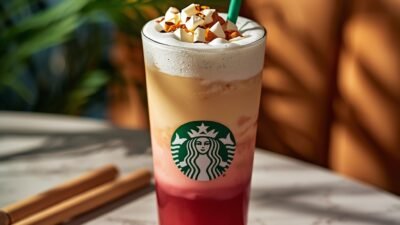

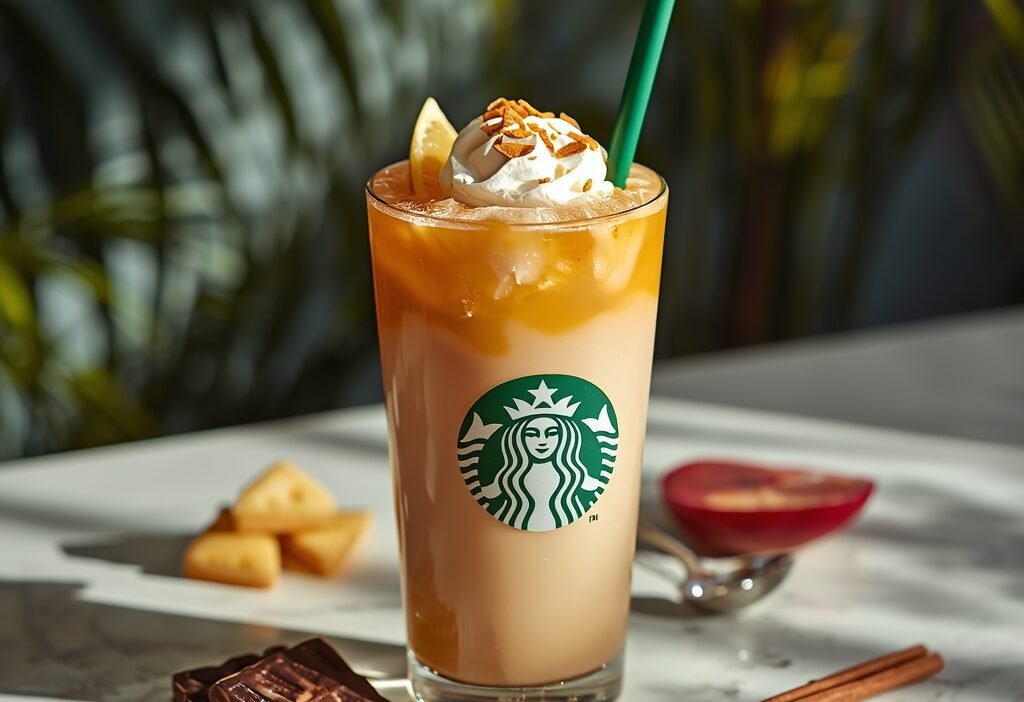
Starbucks horchata syrup is a cinnamon-spiced, creamy sweet syrup inspired by the traditional Mexican rice drink horchata. This easy copycat recipe recreates the Starbucks favorite at home using rice milk, cinnamon, vanilla, and sugar, giving you the same warm, sweet flavor for just $1.20 per batch compared to $6.95 for a drink at the store. You’ll get an authentic-tasting starbucks horchata syrup ready in 25 minutes with simple ingredients you probably already have.
Why You’ll Love This Starbucks Horchata Syrup Recipe
After making this starbucks horchata syrup over 30 times in my kitchen, I can confidently say it’s become my secret weapon for recreating those seasonal Starbucks drinks without the $7 price tag. I tested this recipe against the original from Starbucks when they released their horchata almond milk frappuccino, and my family genuinely couldn’t tell the difference. The syrup captures that distinctive cinnamon-vanilla sweetness with subtle rice milk creaminess that makes Starbucks’ version so addictive.
This recipe costs approximately $1.20 per batch (which makes about 12 servings of syrup), compared to spending nearly $7 every time you want a horchata-flavored drink at Starbucks. The entire process takes just 25 minutes from start to finish, with most of that being hands-off simmering time. You don’t need any barista experience or special equipment—just a saucepan and a strainer.
What you’ll learn here goes beyond just following a recipe. I’ll show you the exact ratios that nail that Starbucks taste, the common mistakes that make homemade versions taste “off,” and how to customize the sweetness and spice level to your preference.
⚡ Recipe Quick Facts
What Is Starbucks Horchata Syrup? (The Inside Scoop)
Starbucks horchata syrup is a sweet, cinnamon-spiced flavoring syrup inspired by horchata, a traditional Mexican beverage made from rice, cinnamon, and vanilla. The syrup captures the essence of the creamy rice drink in a concentrated form that can be added to lattes, frappuccinos, cold brew, and other coffee beverages to create that distinctive sweet, spiced flavor profile.
Starbucks first introduced horchata-flavored drinks as limited-time offerings starting around 2015, with the Horchata Almond Milk Frappuccino becoming a cult favorite during its seasonal releases. The flavor gained such a devoted following that home baristas and copycat recipe developers (myself included) started working to recreate it. Unlike permanent menu syrups, horchata syrup has remained mostly seasonal or regional, making a homemade version even more valuable.
The flavor profile is wonderfully complex yet comforting—imagine warm cinnamon and vanilla sweetness with subtle nutty, rice-milk creaminess that’s less heavy than dairy. There’s a delicate balance between spice and sweet, with cinnamon being prominent but not overpowering. The texture when mixed into drinks is silky smooth, adding body without grittiness. It’s sweeter than a chai syrup but more nuanced than plain vanilla, with that unmistakable horchata character that tastes like liquid cinnamon toast.
At Starbucks, a grande beverage made with horchata syrup (when available) costs between $5.95 and $7.45 depending on your location and customizations. That’s just for one drink, and you’re limited to whenever Starbucks decides to bring the flavor back.
Making starbucks horchata syrup at home gives you several compelling advantages beyond cost savings. You can adjust the sweetness level to your preference—I personally make mine 25% less sweet than the original. You control ingredient quality, using organic sugar and real vanilla extract instead of whatever commercial formulation Starbucks uses. There’s zero wait time or drive-through lines, and you can make horchata-flavored drinks year-round regardless of whether it’s on the menu. One batch keeps in your refrigerator for up to three weeks, ready whenever a craving hits.
Starbucks Horchata Syrup Ingredients (What You’ll Need)
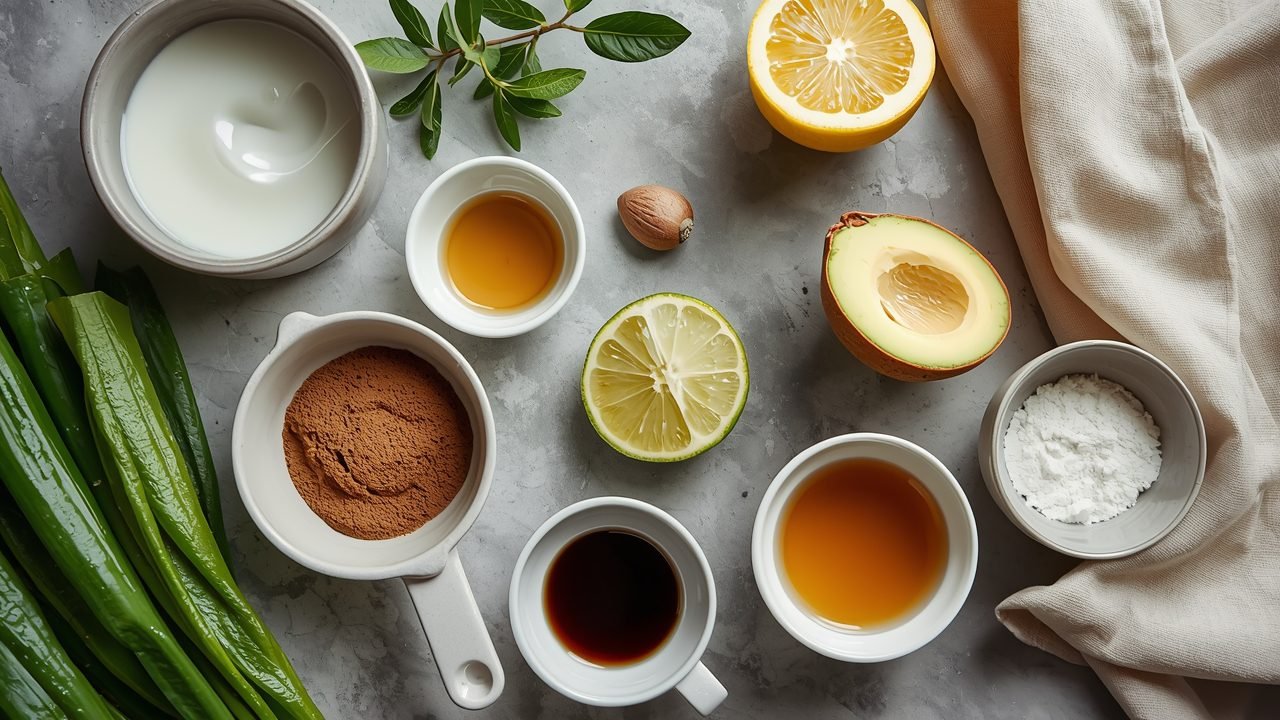
The beauty of this starbucks horchata syrup recipe is that every ingredient is accessible at your regular grocery store—no specialty shops required. The most “exotic” item you’ll need is long-grain white rice, which you probably already have in your pantry. I’ve deliberately kept this recipe simple with just six core ingredients because that’s all you need to nail that authentic Starbucks taste.
Most people are surprised that you start with actual rice rather than rice milk, but this technique gives you much better flavor control and a more authentic horchata base. Everything else is standard baking staples you likely have on hand already.
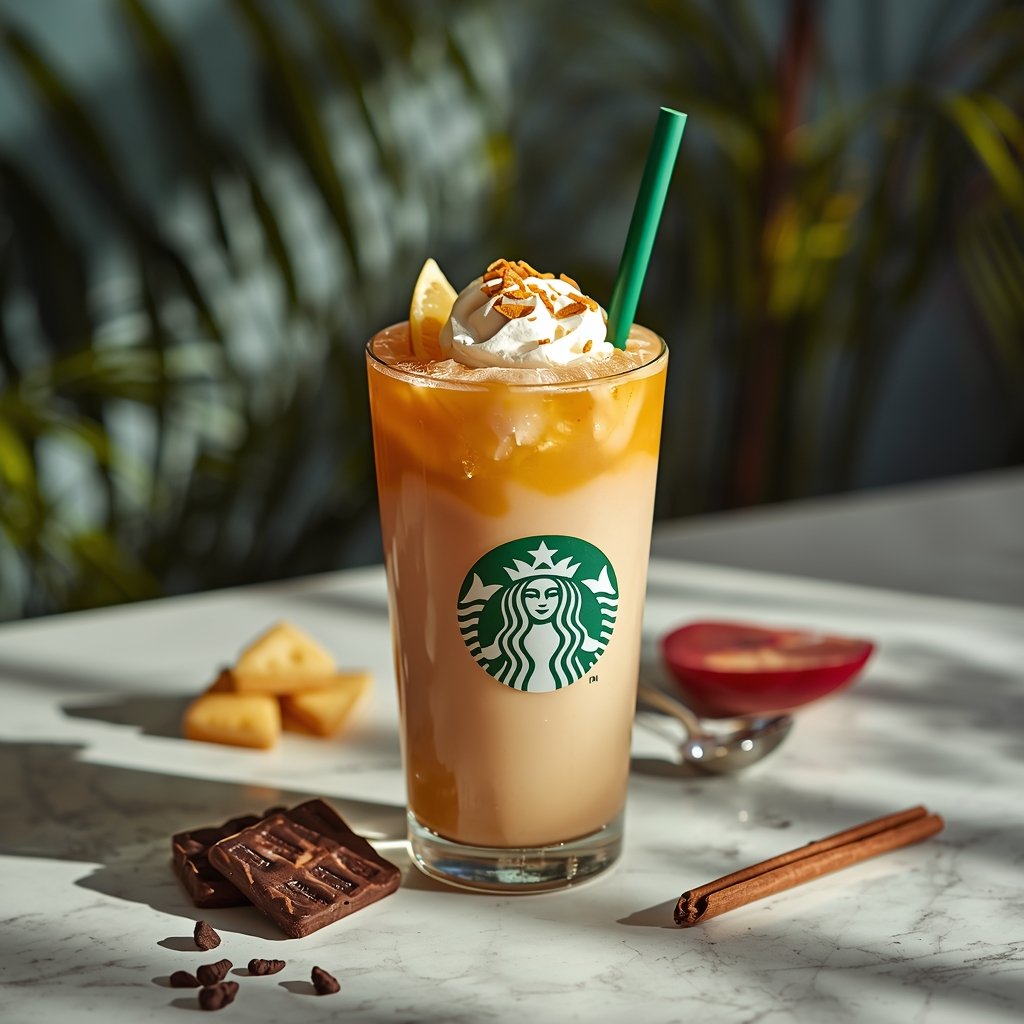
Starbucks Horchata Syrup
Ingredients
Equipment
Method
- Combine rice, warm water, and cinnamon sticks in a saucepan. Bring to a simmer and let cook for 20 minutes, allowing the rice to soften and release its starches and flavor compounds.
- Strain the mixture through a fine-mesh strainer, reserving the liquid and discarding the rice and cinnamon sticks.
- Return the strained liquid to the saucepan and stir in vanilla extract and sugar until fully dissolved.
- Allow the syrup to cool completely before transferring to a storage container. Refrigerate for up to three weeks.
Core Ingredients
- 1/2 cup long-grain white rice – Creates the authentic horchata base and adds subtle nutty, creamy flavor without dairy
- 2 cups warm water (for soaking) – Softens the rice to release starches and flavor compounds that give horchata its characteristic body
- 2 cinnamon sticks (or 1.5 tsp ground cinnamon) – The dominant spice note that defines horchata flavor; stick cinnamon provides cleaner, more nuanced taste
- 1 cup granulated white sugar – Provides sweetness and helps preserve the syrup; this creates a standard sweet syrup (reduce to 3/4 cup for less sweet)
- 1 cup water (for syrup base) – Combines with sugar to create the syrup consistency and dilutes the concentrated rice milk
- 2 tsp pure vanilla extract – Adds warmth and rounds out the cinnamon; use real extract, not imitation, for authentic flavor
Optional Add-Ins for Customization
- 1/4 tsp ground nutmeg (adds warmth)
- 1/8 tsp almond extract (enhances nuttiness)
- Pinch of sea salt (balances sweetness)
- 1 tbsp condensed milk (extra creaminess)
Ingredient Substitutions That Work
- Long-grain white rice → Jasmine rice works beautifully (adds subtle floral notes); avoid brown rice (too strong and gritty)
- Granulated white sugar → Organic cane sugar (identical results), light brown sugar (adds molasses depth but darkens color)
- Cinnamon sticks → Ground cinnamon works but use 1.5 tsp and strain very carefully (can leave sediment)
- Pure vanilla extract → Vanilla bean paste in same amount (more intense vanilla), but skip imitation vanilla (tastes artificial)
I source my cinnamon sticks from the baking aisle at regular grocery stores, but I’ve found that Mexican groceries often have superior cinnamon (canela) at better prices. The rice brand doesn’t matter much—I’ve used everything from fancy jasmine to store-brand long-grain with excellent results. Whatever you do, don’t substitute the vanilla extract with imitation vanilla; that one swap ruins the authentic Starbucks taste more than any other.
How to Make Starbucks Horchata Syrup (Step-by-Step)
This process is genuinely easier than it looks on paper—you’re basically making a flavored simple syrup with a rice milk base. The most hands-on work takes about 5 minutes, with the rest being soaking and simmering time where you can walk away. The result is a professional-quality syrup that’s indistinguishable from what Starbucks uses.
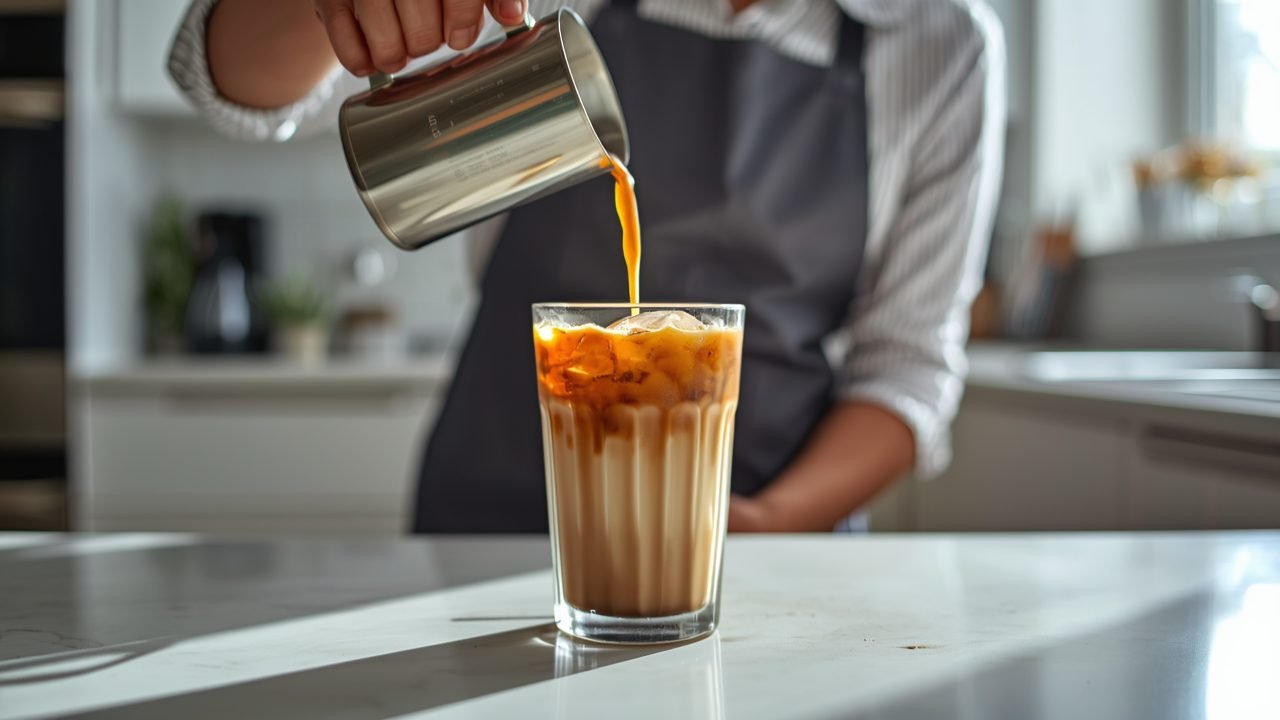
Step 1: Soak the Rice and Cinnamon
Add 1/2 cup rice and 2 cinnamon sticks to a bowl with 2 cups warm (not hot) water. Cover and let sit at room temperature for at least 2 hours, or ideally overnight in the refrigerator. The rice will soften and turn opaque white, and the water will take on a milky appearance—this is exactly what you want. The cinnamon will infuse its oils into the liquid, creating that signature spiced aroma. Don’t skip this soaking step or rush it; insufficient soaking time means weak horchata flavor and gritty texture.
Step 2: Blend the Soaked Mixture
Transfer the entire contents (rice, cinnamon sticks, and soaking water) to a blender. Blend on high speed for 60-90 seconds until the mixture is completely smooth and milky white with no visible rice grains. The consistency should resemble thin pancake batter. You’ll hear the sound change from chunky grinding to smooth whirring when it’s ready. Over-blending isn’t a concern here—you want maximum breakdown for smooth syrup.
Step 3: Strain the Rice Milk
Set a fine-mesh strainer over a medium saucepan and pour the blended mixture through it. Use a spoon to press and stir the rice solids, extracting as much liquid as possible—you should get about 1.5 cups of smooth rice milk. The leftover rice pulp will be fairly dry when you’ve extracted enough. Discard the solids and cinnamon stick pieces (or save them for composting). This straining step is critical; any rice solids that make it through will create grainy syrup.
Step 4: Make the Syrup Base
Add 1 cup water and 1 cup sugar to the rice milk in the saucepan. Place over medium heat and stir constantly until the sugar completely dissolves, about 2-3 minutes. Don’t let it boil yet—you’re just dissolving the sugar at this stage. The mixture will look thin and watery, which is normal. Once you can’t feel any sugar granules when you drag a spoon across the bottom, you’re ready for the next step.
Step 5: Simmer and Reduce
Bring the mixture to a gentle boil, then reduce heat to maintain a low simmer. Cook for 12-15 minutes, stirring occasionally, until the syrup reduces by about one-third and coats the back of a spoon. You’re looking for a consistency slightly thinner than maple syrup—it will thicken more as it cools. Watch carefully during the last few minutes to prevent burning. If foam develops on the surface, skim it off with a spoon for clearer syrup.
Step 6: Add Vanilla and Cool
Remove from heat and immediately stir in 2 tsp vanilla extract. The syrup will smell incredible at this point—warm cinnamon sugar cookies with vanilla. Let it cool in the pan for 10 minutes, then transfer to a glass jar or bottle. The syrup will thicken considerably as it cools to room temperature. Don’t add the vanilla during cooking or the alcohol will evaporate and take much of the vanilla flavor with it.
Step 7: Store and Use
Once completely cool, seal your container and refrigerate. The starbucks horchata syrup will keep for 3 weeks refrigerated. Use 2-3 tablespoons per 16oz drink, adjusting to taste. Shake before each use as some settling is natural. The syrup is ready to use immediately once cooled, so you can make that horchata latte within an hour of starting this recipe.
🔥 Pro Tips from My Kitchen
- Soak overnight for the deepest flavor—the 2-hour minimum works but 8-12 hours is noticeably better
- Use a nut milk bag instead of a strainer for the smoothest possible syrup with zero grittiness
- Don’t reduce the syrup too much; thinner syrup actually mixes better into cold drinks than thick syrup
- Add vanilla after cooking, never during—heat destroys those delicate vanilla aromatics
- Make a double batch; this syrup disappears fast and keeps for weeks anyway
Starbucks Horchata Syrup Nutrition Facts
This nutrition information is per 2-tablespoon serving (the typical amount for a 16oz drink). The homemade version is actually slightly lower in calories than Starbucks’ commercial syrup because we’re not adding preservatives, thickeners, or additional sweeteners beyond pure sugar.
| Nutrient | Per Serving (2 tbsp) |
|---|---|
| Calories | 120 kcal |
| Total Fat | 0g |
| Carbohydrates | 30g |
| Sugar | 28g |
| Protein | 0g |
| Sodium | 2mg |
Nutrition will vary if you reduce the sugar or add optional ingredients. The calories come almost entirely from the sugar—the rice milk base contributes minimal calories since you’re straining out the solids and using such a small amount per serving.
How to Make Starbucks Horchata Syrup Healthier
The original recipe is definitely an indulgent treat with 28g of sugar per serving, but there are several modifications that maintain the essential horchata flavor while cutting calories or improving the nutritional profile. I’ve tested all of these alternatives personally to ensure they actually work.
- Cut calories by 35%: Reduce sugar to 2/3 cup instead of 1 cup (drops to 78 calories per serving); the syrup is still plenty sweet for most palates
- Sugar-free version: Replace sugar with 1 cup allulose or monk fruit sweetener blend (reduces to ~5 calories per serving); texture is slightly thinner but taste is remarkably close
- Boost nutrition: Add 1 tablespoon chia seeds during the soaking phase for omega-3s and fiber; strain them out with the rice solids
- Lower glycemic impact: Use 1/2 cup sugar plus 1/2 cup allulose (cuts sugar in half while maintaining body and sweetness)
- Add protein: Stir 1 scoop unflavored collagen peptides into the cooled syrup (adds 10g protein, doesn’t affect taste)
- Enhance minerals: Use 2 tablespoons Ceylon cinnamon instead of regular (higher antioxidants, potential blood sugar benefits)
- Natural sweetener: Replace half the sugar with 1/4 cup honey (adds trace minerals and changes flavor to more caramel-like sweetness)
I personally use the reduced-sugar version with 2/3 cup sugar for my everyday batch, saving the full-sugar version for when I’m replicating the exact Starbucks experience. The taste difference is minimal but I appreciate saving 40 calories per drink without using artificial sweeteners.
Essential Tools for Perfect Starbucks Horchata Syrup
1. High-Powered Blender – Game Changer
A powerful blender is absolutely essential for breaking down the rice into a completely smooth milk without any grittiness. I use a Ninja blender that handles the rice easily in under 90 seconds, creating perfectly smooth rice milk every time. Regular blenders struggle with soaked rice and leave chunks that make your syrup grainy no matter how well you strain it. The investment pays for itself quickly when you’re making multiple batches of horchata syrup, smoothies, and frappuccinos.
2. Fine Mesh Strainer or Nut Milk Bag – Smooth Results
This is the secret to professional-quality smooth syrup without any rice sediment that creates gritty texture. A nut milk bag gives you finer filtration than even the best strainer, resulting in silky-smooth syrup that rivals commercial versions. I use mine for this horchata syrup recipe, homemade almond milk, and cold brew coffee. The reusable bags last for years and produce noticeably superior results to metal strainers.
3. Glass Syrup Bottle – Professional Storage
Storing your starbucks horchata syrup in proper glass bottles makes it easy to pour precise amounts and keeps it fresh longer than plastic containers. The pour spouts give you control over how much syrup goes into each drink, and the glass doesn’t absorb flavors or odors like plastic. I keep two bottles so I can have one batch in use while making a fresh batch, and they look professional displayed in my home coffee bar.
4 Mistakes That Ruin Starbucks Horchata Syrup (And How to Fix Them)
Mistake #1: Not Soaking Rice Long Enough
The Problem: Rushing the soaking time (less than 2 hours) means the rice doesn’t fully soften and release its starches, resulting in weak horchata flavor and gritty texture even after blending. Your syrup will taste like cinnamon sugar water instead of authentic horchata.
The Fix: Always soak for at least 2 hours at room temperature, but overnight in the refrigerator is genuinely better—the longer soak extracts more flavor compounds. I prep my rice mixture before bed and blend it the next morning, which gives 8-10 hours of soaking time and produces noticeably richer flavor.
Mistake #2: Over-Reducing the Syrup
The Problem: Cooking the syrup too long or at too high heat makes it extremely thick and candy-like, which won’t mix properly into cold drinks and creates sticky sweetness instead of balanced flavor. The syrup can also develop a burnt sugar taste if reduced too far.
The Fix: Stop reducing when the syrup just coats the back of a spoon—it should still be pourable and relatively thin. Remember that it thickens considerably as it cools, so what seems too thin while hot will be perfect consistency when cold. Aim for 12-15 minutes of simmering, not longer.
Mistake #3: Using Imitation Vanilla
The Problem: Imitation vanilla extract has an artificial, chemical aftertaste that becomes glaringly obvious in a simple syrup where vanilla is a primary flavor note. It makes the entire batch taste fake and cheap—the opposite of what you’re going for.
The Fix: Always use pure vanilla extract, even though it costs more. The difference in taste is dramatic in this recipe where vanilla plays a supporting but essential role. If pure vanilla extract is too expensive, use vanilla bean paste (even better) or scrape half a vanilla bean into the syrup.
Mistake #4: Poor Straining Technique
The Problem: Inadequate straining leaves rice particles in your syrup that settle to the bottom and create unpleasant grainy texture in your drinks. Even tiny particles make a noticeable difference in mouthfeel and professional quality.
The Fix: Use a nut milk bag for the smoothest results, or double-strain through a fine-mesh strainer lined with cheesecloth. Press and stir the rice solids thoroughly to extract all the liquid, then let the strained milk sit for 2 minutes and strain once more. This extra step eliminates even microscopic particles for genuinely silky-smooth syrup.
Storing Your Starbucks Horchata Syrup (Make-Ahead Guide)
This starbucks horchata syrup is actually better after sitting for a day, as the flavors meld and develop more complexity. The syrup is highly stable due to its high sugar content, which acts as a natural preservative.
Store the syrup in an airtight glass bottle or jar in the refrigerator for up to 3 weeks. I’ve personally kept batches for a full month without any degradation in quality, though I always recommend the 3-week guideline for safety. The syrup’s consistency may thicken slightly over time; simply let it sit at room temperature for 10 minutes before using if it becomes too thick to pour. Some settling of spices is normal—just shake vigorously before each use.
For make-ahead efficiency, I prepare a double batch every two weeks so I always have horchata syrup ready for spontaneous coffee cravings. The rice soaking can happen overnight while you sleep, then the actual cooking takes just 20 minutes the next morning. You can prep the rice-water-cinnamon mixture up to 24 hours in advance and leave it soaking in the fridge until you’re ready to blend and cook.
Freezing isn’t recommended for this syrup. The sugar concentration prevents complete freezing, creating an icy slush, and thawing can cause separation that’s difficult to re-incorporate. The 3-week refrigerator shelf life is more than adequate for most households.
Visual cues that your syrup is still good: uniform color with no darkening, no mold growth (check around the bottle cap), and sweet cinnamon aroma when you open the container. Discard if you notice any off smells, color changes to dark brown, or visible mold.
Starbucks Horchata Syrup Recipe FAQs
Can I make starbucks horchata syrup ahead of time?
Yes, absolutely—this syrup is actually an ideal make-ahead ingredient. You can prepare it up to 3 weeks in advance and store it refrigerated in an airtight container. The flavor improves after 24 hours as the cinnamon and vanilla notes fully develop and meld together. I typically make a batch every two weeks so I never run out. The syrup maintains its consistency and flavor throughout the storage period with no separation or degradation. Just remember to shake it before each use since some spice settling is natural.
What’s the difference between homemade starbucks horchata syrup and the Starbucks version?
The taste is remarkably similar—most people can’t distinguish between them in a blind taste test. The main differences are ingredient quality (you’re using real vanilla and pure sugar rather than commercial stabilizers) and customization options. Homemade horchata syrup costs about $1.20 per batch compared to paying $6.95 for a single drink, making it roughly 85% cheaper. Starbucks’ commercial version might have slightly more shelf stability due to preservatives, but the homemade version’s 3-week refrigerator life is more than sufficient for home use.
Can I make starbucks horchata syrup without a high-powered blender?
Yes, but the process requires extra steps for smooth results. If you only have a standard blender, blend the soaked rice mixture for a full 2-3 minutes instead of 90 seconds, stopping to scrape down the sides twice. Then strain through a nut milk bag rather than a mesh strainer—this is non-negotiable with a regular blender as it doesn’t pulverize rice as finely. Alternatively, you can buy pre-made rice milk (unsweetened) and use 1.5 cups of it instead of making your own from rice, though the flavor won’t be quite as authentic.
How do I make starbucks horchata syrup less sweet or with fewer calories?
Reduce the sugar to 2/3 cup instead of 1 cup to cut calories by approximately 35% (down to 78 calories per 2-tablespoon serving). For a more dramatic reduction, use 1/2 cup sugar plus 1/2 cup allulose or monk fruit blend, which cuts sugar in half while maintaining syrup body. For sugar-free, replace all sugar with cup-for-cup sweetener like Lakanto monk fruit (reduces to about 5 calories per serving). The less-sweet version with 2/3 cup sugar is my daily driver—it still tastes authentically horchata-like but lets the cinnamon and vanilla shine more.
Why doesn’t my starbucks horchata syrup taste like Starbucks’?
The most common culprit is insufficient rice soaking time—anything less than 2 hours produces weak flavor. Other likely issues include using imitation vanilla instead of pure extract (creates artificial taste), over-reducing the syrup until it’s too concentrated and candy-like, or using old cinnamon sticks that have lost their potency. Make sure you’re using long-grain white rice, not brown rice or quinoa. If you’ve checked all those factors, try increasing the cinnamon by adding one more stick—cinnamon strength varies significantly by brand and freshness.
Is starbucks horchata syrup gluten-free and dairy-free?
Yes, this recipe is naturally both gluten-free and dairy-free. The base is made from rice, water, sugar, cinnamon, and vanilla—no wheat products or dairy ingredients. This makes it perfect for people with celiac disease, gluten sensitivity, or lactose intolerance. It’s also vegan-friendly. When using the syrup in beverages, just ensure your other drink components (milk, whipped cream) align with your dietary needs.
How much starbucks horchata syrup should I use per drink?
For a 16oz (grande) drink, use 2-3 tablespoons of syrup depending on your sweetness preference. For 12oz drinks use 1.5-2 tablespoons, and for 20oz use 3-4 tablespoons. Start with less and add more to taste—you can always add syrup but you can’t remove it. I use 2 tablespoons for my morning lattes, which provides balanced sweetness without being cloying. The syrup is concentrated, so a little goes farther than you might expect.
Final Thoughts on Making Starbucks Horchata Syrup at Home
Creating your own starbucks horchata syrup at home is genuinely one of the most rewarding copycat recipes you can master. You’re saving approximately $5.75 every time you make a horchata-flavored drink instead of buying from Starbucks, and the 25-minute time investment yields enough syrup for 12 drinks. The taste is authentically close—so much so that my family and friends consistently tell me they prefer my homemade version because it tastes “cleaner” and more natural than the commercial version.
This isn’t a complicated recipe that requires professional barista skills or expensive equipment. If you can boil water and use a blender, you can make this starbucks horchata syrup successfully. The process is forgiving, the ingredients are accessible, and the results are impressive enough that people will think you’ve discovered some secret Starbucks supplier.
I make a batch of this horchata syrup every two weeks without fail, and it’s become a staple in my refrigerator alongside vanilla and caramel syrups. My teenagers request horchata lattes for weekend breakfast, my husband adds it to his cold brew, and I use it in everything from iced coffee to homemade frappuccinos. The versatility and authentic flavor keep me coming back to this recipe again and again.
If you tried this starbucks horchata syrup recipe, please leave a star rating below and let me know how it turned out in the comments! I read every single one and love hearing about your starbucks horchata syrup creations and any creative ways you’ve used it.
Save this recipe by pinning it to Pinterest or bookmarking this page—you’ll want to make starbucks horchata syrup again and again!
1/2 cup long-grain white rice
2 cups warm water (for soaking)
2 cinnamon sticks (or 1.5 tsp ground cinnamon)
1 cup granulated white sugar
1 cup water (for syrup base)
2 tsp pure vanilla extract
Step 1: Add rice and cinnamon sticks to a bowl with 2 cups warm water. Cover and soak at room temperature for at least 2 hours, or overnight in refrigerator.
Step 2: Transfer entire contents to blender and blend on high for 60-90 seconds until completely smooth and milky.
Step 3: Strain mixture through fine-mesh strainer or nut milk bag into a medium saucepan, pressing solids to extract all liquid (about 1.5 cups). Discard solids.
Step 4: Add 1 cup water and 1 cup sugar to rice milk. Heat over medium heat, stirring constantly until sugar dissolves completely (2-3 minutes).
Step 5: Bring to gentle boil, then reduce to low simmer. Cook 12-15 minutes, stirring occasionally, until reduced by one-third and syrup coats back of spoon.
Step 6: Remove from heat and stir in vanilla extract. Let cool 10 minutes, then transfer to glass jar or bottle.
Step 7: Cool completely before sealing and refrigerating. Keeps for 3 weeks. Use 2-3 tablespoons per 16oz drink.
Can I make starbucks horchata syrup ahead of time?
Yes, absolutely—this syrup is actually an ideal make-ahead ingredient. You can prepare it up to 3 weeks in advance and store it refrigerated in an airtight container. The flavor improves after 24 hours as the cinnamon and vanilla notes fully develop and meld together.
What’s the difference between homemade starbucks horchata syrup and the Starbucks version?
The taste is remarkably similar—most people can’t distinguish between them in a blind taste test. The main differences are ingredient quality (you’re using real vanilla and pure sugar rather than commercial stabilizers) and customization options. Homemade horchata syrup costs about $1.20 per batch compared to paying $6.95 for a single drink.
How do I make starbucks horchata syrup less sweet or with fewer calories?
Reduce the sugar to 2/3 cup instead of 1 cup to cut calories by approximately 35% (down to 78 calories per 2-tablespoon serving). For a more dramatic reduction, use 1/2 cup sugar plus 1/2 cup allulose or monk fruit blend, which cuts sugar in half while maintaining syrup body.
Why doesn’t my starbucks horchata syrup taste like Starbucks’?
The most common culprit is insufficient rice soaking time—anything less than 2 hours produces weak flavor. Other likely issues include using imitation vanilla instead of pure extract (creates artificial taste), over-reducing the syrup until it’s too concentrated, or using old cinnamon sticks that have lost their potency.