
If you’re someone like me who loves a good wine-based cocktail that brings people together (and adds vibrant pops of color to the table), you will adore this recipe. Think fresh fruit, bright flavors, and just the right amount of fizz to complement the warmth of spring. Whether you’re hosting brunch, an Easter egg hunt, or just enjoying the long weekend with loved ones, this Easter Sangria will surely steal the show.
What Is Easter Sangria?
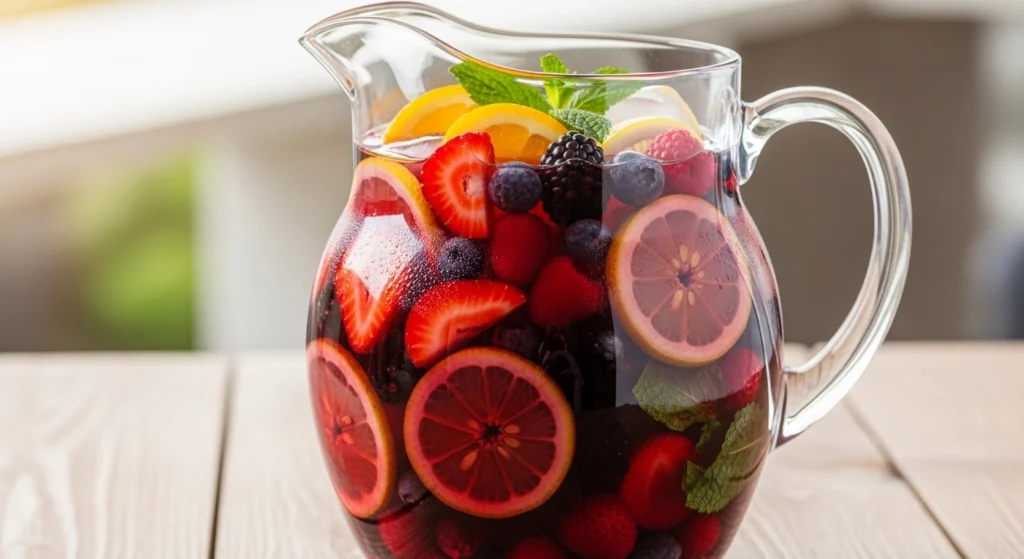
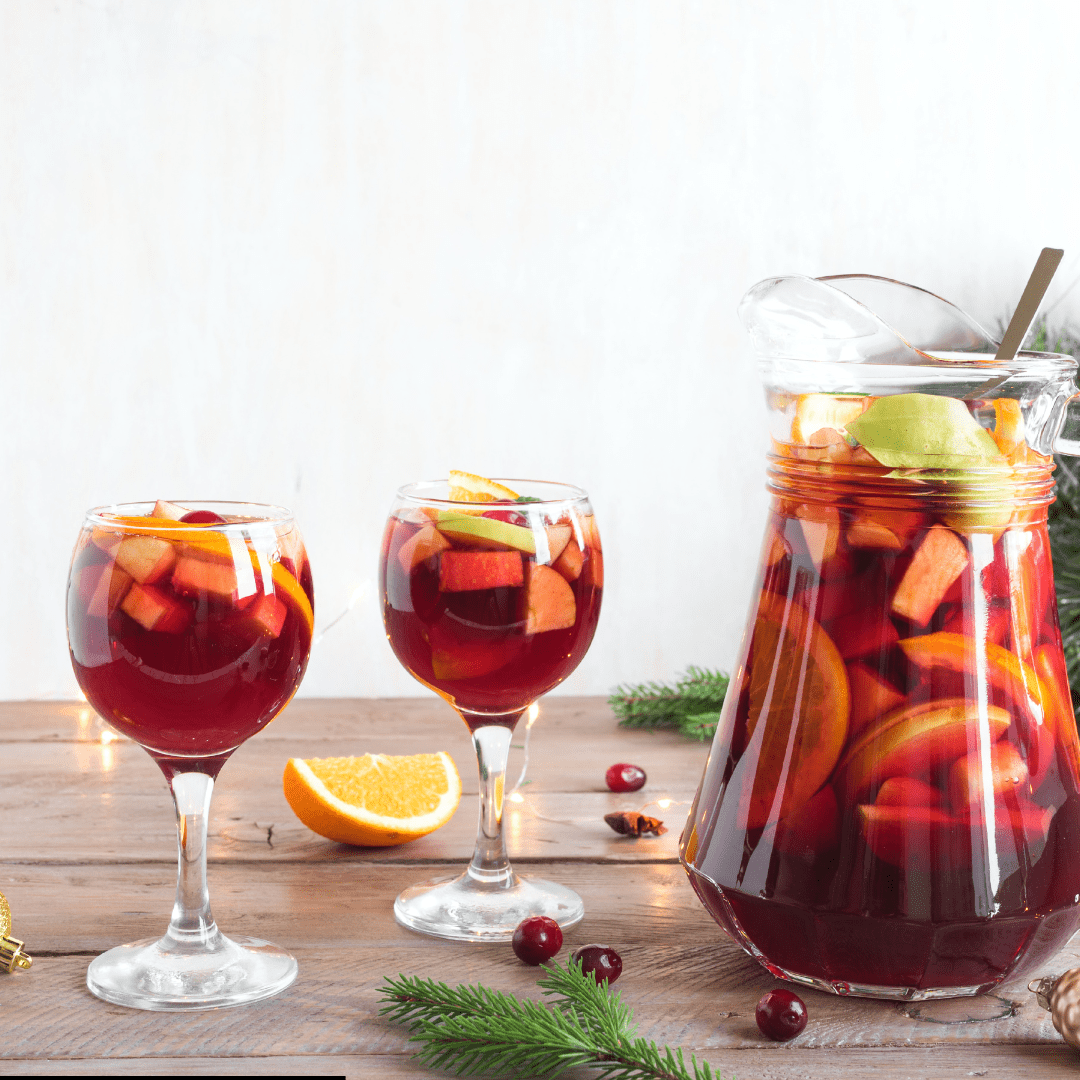
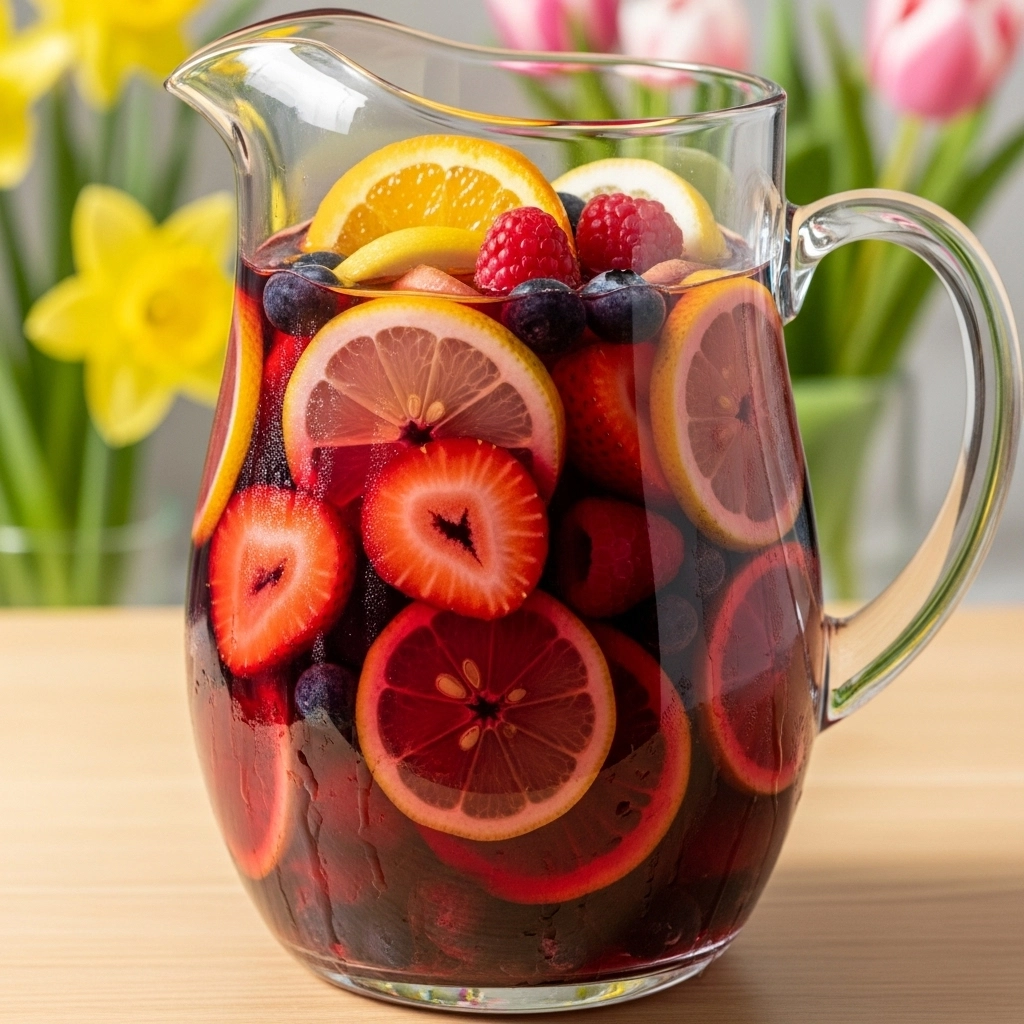
Easter Sangria is a bright, fruity, and refreshing drink that captures the spirit of spring. It typically features seasonal fruits, white or rosé wine, and often a splash of something bubbly.
Easter Sangria
Ingredients
Equipment
Method
- Choose your pitcher: Start with a large glass pitcher or jug. Ensure it can hold all the ingredients, including the sparkling water you'll add later.
- Prep the fruits: Wash and slice all your fresh fruits. Aim for thin, even slices so they release flavor more easily into the sangria.
- Combine liquids: Into the pitcher, pour the white wine, peach schnapps, and triple sec.
- Add fruit juice: Stir in the orange juice (or whichever juice you've chosen). Adjust the amount based on how juicy and sweet you want the sangria.
- Sweeten it up: If you prefer your sangria sweeter, add honey or another sweetener, like simple syrup. Stir gently until dissolved.
- Add fresh fruits: Toss your sliced and diced fruits into the mixture, ensuring every piece is slightly submerged. The fruits will infuse the sangria with bright, spring-like flavors.
- Chill for best flavor: Cover the pitcher and refrigerate for at least 2 hours—overnight is even better! This step lets the fruit infuse fully and gives the sangria a more robust flavor.
- Finish with a sparkle: Just before serving, add a splash of club soda or sparkling water to introduce some fizz. Stir gently.
- Serve and enjoy: Pour your sangria into glasses filled with ice. For an elegant touch, garnish each serving with a slice of fruit or a sprig of mint.
Ingredients:
For The Sangria Base:
- 1 bottle of white wine: Choose a light, fruity wine like Sauvignon Blanc, Pinot Grigio, or Moscato.
- 1/2 cup of peach schnapps: Adds a sweet, juicy flavor that pairs beautifully with spring fruits.
- 1/4 cup of triple sec or orange liqueur: A citrusy kick to round out the flavors.
- 1-2 cups of fruit juice: Orange juice works great, but you can mix in pineapple or cranberry juice for variety.
Fresh Fruits (The Stars Of The Sangria):
- 1 cup of strawberries, sliced
- 1 orange, sliced into rounds
- 1 lemon, sliced into rounds
- 1/2 cup of raspberries
- 1/2 cup of blueberries
- 1 to 2 cups of diced pineapple (optional, for tropical sweetness).
Additional Ingredients For Sweetness:
- 2 to 4 tablespoons of honey (optional, adjust to taste)
- Club soda or sparkling water for a bit of fizz
Instructions:
- Choose your pitcher: Start with a large glass pitcher or jug. Ensure it can hold all the ingredients, including the sparkling water you’ll add later.
- Prep the fruits: Wash and slice all your fresh fruits. Aim for thin, even slices so they release flavor more easily into the sangria.
- Combine liquids: Into the pitcher, pour the white wine, peach schnapps, and triple sec.
- Add fruit juice: Stir in the orange juice (or whichever juice you’ve chosen). Adjust the amount based on how juicy and sweet you want the sangria.
- Sweeten it up: If you prefer your sangria sweeter, add honey or another sweetener, like simple syrup. Stir gently until dissolved.
- Add fresh fruits: Toss your sliced and diced fruits into the mixture, ensuring every piece is slightly submerged. The fruits will infuse the sangria with bright, spring-like flavors.
- Chill for best flavor: Cover the pitcher and refrigerate for at least 2 hours—overnight is even better! This step lets the fruit infuse fully and gives the sangria a more robust flavor.
- Finish with a sparkle: Just before serving, add a splash of club soda or sparkling water to introduce some fizz. Stir gently.
- Serve and enjoy: Pour your sangria into glasses filled with ice. For an elegant touch, garnish each serving with a slice of fruit or a sprig of mint.
Tips For Making The Best Easter Sangria:
- Choose your wine wisely: To balance the sweetness of the fruit and liqueurs, go for a light, dry white wine. Avoid anything heavily oaked or overly acidic. If you prefer red sangria, opt for a Pinot Noir or Grenache.
- Mix and match fruits: Feel free to experiment with seasonal fruits or whatever you have! Kiwi, blackberries, or even apple slices can add a fun twist.
- Make it kid-friendly: To create a non-alcoholic version, swap the wine for white grape juice and skip the schnapps/triple sec. Add a splash of sparkling cider for bubbles.
- Prep ahead: Sangria tastes better the longer it sits. Try making it the night before to save time on Easter morning.
- Elevate with herbs: Adding mint, basil, or rosemary sprigs elevates the sangria’s aroma and flavor.
- Serve creatively: Pour your sangria into mason jars or fancy stemless wine glasses to make it festive. You can even add an Easter-themed stirrer for a playful touch.
What To Serve With
Brunch Pairings:
- Quiche Or Frittata: The rich, savory flavors of quiche or frittata, filled with ingredients like spinach, cheese, and ham, contrast nicely with the sweetness of the easter sangria. A classic Quiche Lorraine or a Mediterranean frittata with tomatoes and feta.
- Fresh Fruit Platter: Mirrors the fruitiness of the easter sangria and keeps the meal light and refreshing. Include berries, melon, and kiwi slices for color variety.
- Smoked Salmon Bagels: The savory, slightly salty taste of smoked salmon pairs well with the sangria’s citrus and berry notes. Serve with cream cheese, capers, red onion, and dill.
- French Toast or Pancakes: The sweetness of French toast or pancakes complements the fruit flavors in the sangria. Opt for a lemon ricotta pancake or brioche French toast for a gourmet touch.
Lunch Pairings:
- Grilled Chicken Salad: Light and fresh, this salad complements the fruity sangria without overpowering it. Add nuts and a citrus vinaigrette to combine complementary flavors.
- Seafood Paella: The saffron and seafood in paella meld beautifully with the fruity sangria. Use shrimp and mussels for a traditional feel.
- Cheese and Charcuterie Board: It offers a variety of textures and flavors that different sangria elements can highlight. Include soft cheeses like Brie, a sharp cheddar, and cured meats like prosciutto.
- Asparagus Tart: A seasonal specialty that matches the spring theme and complements sangria beautifully. Add goat cheese and lemon zest for extra flavor.
Dinner Pairings:
- Honey-Glazed Ham: The sweetness of the ham glaze pairs perfectly with the fruity sangria. Serve with roasted potatoes and seasonal vegetables.
- Lemon Herb Chicken: The citrus and herb flavors echo beautifully with the tasting notes of the sangria. Accompany with risotto or couscous for a complete meal.
- Grilled Vegetables: The smoky flavor of grilled vegetables beautifully complements the refreshing sangria. Include bell peppers, zucchini, and eggplant dressed with a hint of balsamic vinegar.
- Lamb Chops: The rich taste of lamb is well balanced by the light and fruity notes of the sangria. Serve with garlic mashed potatoes and mint jelly for a classic combo.
Dessert Pairings:
- Lemon or Berry Tart: A fruit-forward tart enhances the citrus and berry notes in the sangria. A lemon tart with raspberries perfectly balances tart and sweet.
- Pavlova: This meringue-based dessert topped with fresh fruit mirrors the freshness of the sangria. Top with passionfruit, strawberries, and blueberries.
- Cheesecake: A creamy dessert like cheesecake provides a rich complement to the lightness of the sangria. Serve with a berry compote for added fruitiness.
- Gelato or Sorbet: A refreshing end to the meal that pairs well with the chilled sangria. Lemon sorbet or a berry gelato enhances the sangria flavors.
Health Benefits
Antioxidant Properties:
- Fruits: Easter Sangria is packed with fruits such as oranges, lemons, berries, and apples, contributing a beneficial dose of antioxidants. These include vitamin C, flavonoids, and other phytochemicals. Antioxidants combat oxidative stress in the body and help reduce the risk of chronic diseases such as heart disease, diabetes, and cancer.
- Red Wine: Red wine is the base of many Sangrias and is known for its resveratrol content, a compound with antioxidant properties. Moderate consumption of red wine has been linked to a lower risk of heart disease, attributed to its role in increasing “good” HDL cholesterol levels and protecting against artery damage.
Cardiovascular Health:
- Improving arterial health: Enhancing the function of the endothelium, which lines your blood vessels, potentially leading to lower blood pressure.
- Anti-inflammatory effects: Certain compounds in fruit and wine can reduce inflammation, a risk factor for heart disease.
Digestive Aid:
- Fiber: The fruits added to Sangria provide dietary fiber essential for healthy digestion. Fiber aids in bowel regularity and can help prevent constipation.
- Hydration: Sangria, with its fruit content and liquid form, can also contribute to daily fluid intake, although water should be your primary hydration source.
Mental Health Benefits:
- Moderate alcohol consumption: Some studies have suggested that light to moderate alcohol intake, as might be found in a glass of Sangria, is associated with a lower risk of developing depression. However, it’s crucial to note that excessive alcohol consumption can lead to adverse mental health outcomes.
Final Thoughts
Easter Sangria offers a way to celebrate without completely forsake health-conscious decisions, from its antioxidant-rich composition to its potential positive impacts on cardiovascular health. The fruits add a natural sweetness and fibre boost that complement the heart-healthy aspects of red wine. When consumed in moderation, this drink can be a guilt-free indulgence amidst the Easter festivities.

Easter Sangria Recipe
Ingredients
Method
-
Step 1:
-
Choose a large glass pitcher that can hold at least 2 quarts. Ensure it has enough room for all ingredients plus the sparkling water you’ll add later.
-
Step 2:
-
Wash and prep all fresh fruits. Slice strawberries, oranges, and lemons into thin, even rounds. Leave raspberries and blueberries whole. Dice pineapple into bite-sized chunks if using.
-
Step 3:
-
Pour the white wine, peach schnapps, and triple sec into the pitcher. Stir gently to combine.
-
Step 4:
-
Add the orange juice (start with 1 cup and adjust based on how fruity you prefer your sangria). Stir well.
-
Step 5:
-
Add honey or simple syrup to sweeten. Start with 2 tablespoons, stir until completely dissolved, then taste and add more if desired.
-
Step 6:
-
Add all the prepared fresh fruits to the pitcher. Gently stir to distribute the fruit throughout the sangria. Ensure some fruits are submerged for maximum flavor infusion.
-
Step 7:
-
Cover the pitcher with plastic wrap or a lid and refrigerate for at least 2 hours. For best results, chill overnight (up to 24 hours) to allow flavors to fully meld and develop.
-
Step 8:
-
Just before serving, add 1-2 cups of club soda or sparkling water for fizz. Stir gently to combine without losing carbonation.
-
Step 9:
-
Fill glasses with ice cubes. Pour sangria over ice, ensuring each glass gets a good mix of fruit. Garnish with fresh fruit slices or mint sprigs if desired. Serve immediately and enjoy!
Video
Notes
Choose a light, fruity white wine like Sauvignon Blanc, Pinot Grigio, or Moscato. Avoid heavily oaked wines. For a pink sangria, use rosé wine.
Make It Ahead:
Sangria tastes better when fruits have time to infuse. Prepare 4-24 hours in advance, but add club soda just before serving to maintain fizz.
Sweetness Level:
Adjust honey/sugar based on your wine’s sweetness and personal preference. Moscato is sweeter and may need less added sweetener.
Non-Alcoholic Version:
Replace wine with white grape juice, skip schnapps and triple sec, and add extra fruit juice. Use sparkling cider instead of club soda for bubbles.
Fruit Variations:
Feel free to swap fruits based on availability. Try kiwi, blackberries, peaches, or mango for different flavors.
Storage:
Keep leftover sangria refrigerated in an airtight pitcher for up to 3 days. The fruit will continue to soften and infuse flavor.
Serving Tip:
Freeze extra berries or fruit chunks to use as “ice cubes” that won’t dilute your sangria as they melt.
Scaling:
This recipe easily doubles or triples for large parties. Use a drink dispenser for easy self-service at gatherings.
Calories: 180
Carbohydrates: 22g
Sugar: 18g
Protein: 1g
Fat: 0g
Saturated Fat: 0g
Sodium: 10mg
Fiber: 2g
Vitamin C: 35mg (39% DV)
Potassium: 180mg
Nutritional values are approximate and will vary based on specific ingredients and the wine used. Contains alcohol – consume responsibly.
1. Chill Everything First: Use cold wine and juice to avoid over-diluting with ice.
2. Best Wine Choices: Pinot Grigio for crisp and light, Sauvignon Blanc for citrusy notes, or Moscato for sweeter sangria.
3. Add Herbs: Fresh mint, basil, or rosemary sprigs add aromatic complexity.
4. Make It Fancy: Rim glasses with sugar or use edible flowers as garnish for special occasions.
5. Batch Serving: For parties, make 2-3 batches and keep chilled in a beverage dispenser.