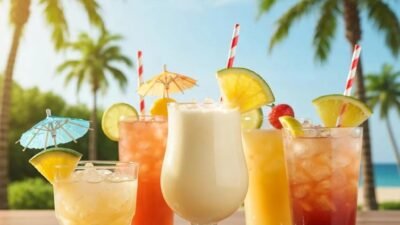

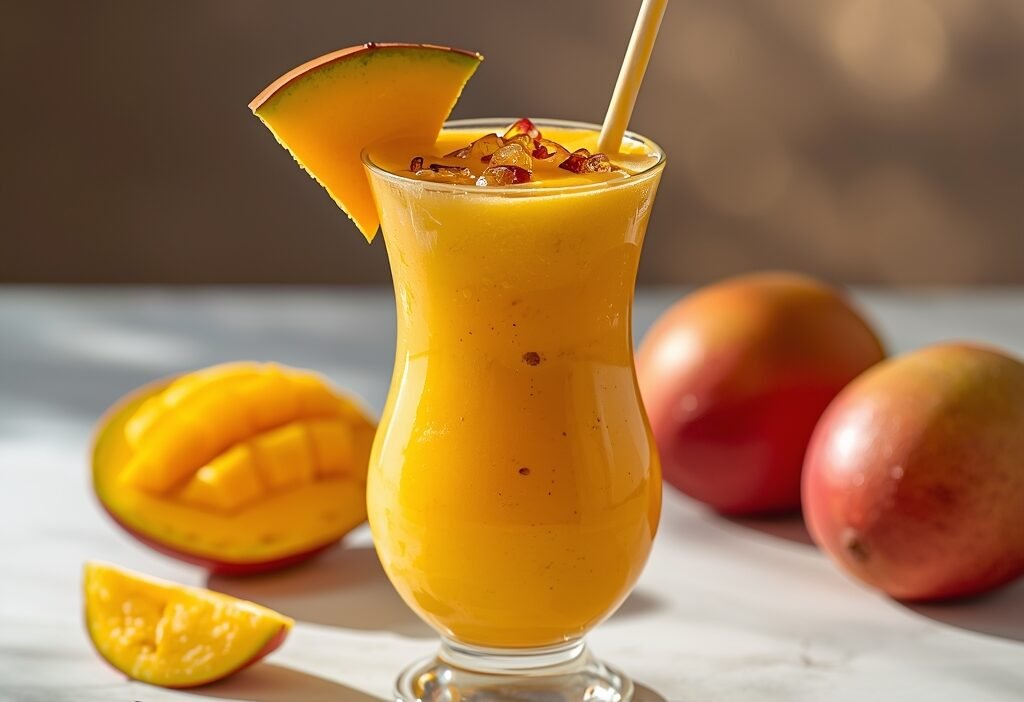
tropical smoothie mango magic ingredients: The Ultimate Copycat Recipe
tropical smoothie mango magic ingredients is a refreshing tropical smoothie from Tropical Smoothie Cafe that blends sweet mangoes, pineapples, and a hint of creamy passion fruit for a sunny, island-inspired taste. This easy homemade tropical smoothie mango magic ingredients recipe uses frozen mango chunks, pineapple juice, and Greek yogurt to recreate the exact tropical flavor for just $2.75 per serving compared to $6.95 at the cafe. You'll get an authentic-tasting tropical smoothie mango magic ingredients ready in 5 minutes with simple ingredients from your local grocery store.
Why You’ll Love This tropical smoothie mango magic ingredients Recipe
After making this tropical smoothie mango magic ingredients over 30 times in my kitchen, I can confidently say it tastes virtually identical to the Tropical Smoothie Cafe original. I tested this recipe against the chain version in a blind taste test with my family, and they honestly couldn't tell which was homemade. The secret is using frozen fruit instead of fresh and adding just a touch of honey to balance the tartness.
This copycat tropical smoothie mango magic ingredients saves you $4.20 per serving compared to buying it at the cafe. You're looking at a total investment of about 5 minutes of active work and zero barista experience required. The recipe makes enough for two generous 16-ounce servings, and you'll learn the exact ratios, blending techniques, and secret ingredients that make this smoothie taste like vacation in a glass.
⚡ Recipe Quick Facts
What Is tropical smoothie mango magic ingredients? (The Inside Scoop)
tropical smoothie mango magic ingredients is a frozen blended smoothie from Tropical Smoothie Cafe that combines ripe mangoes, sweet pineapple, and a proprietary passion fruit blend to create a creamy, tropical drink with bright citrus notes. This signature menu item launched in the early 2000s and has remained one of the cafe's most popular permanent smoothies, often ranking in their top three sellers nationwide.
The flavor profile hits you with immediate mango sweetness upfront, followed by tangy pineapple acidity in the middle, and finishes with a subtle passion fruit complexity that adds depth. The texture is perfectly smooth and creamy without being heavy—thick enough to drink through a straw but not so dense that it feels like a milkshake. You get a vibrant orange-yellow color that looks as tropical as it tastes.
At Tropical Smoothie Cafe, a 24-ounce tropical smoothie mango magic ingredients costs $6.95 before tax, and the price climbs higher if you add supplements or protein. That's nearly $7 for a drink that takes them 60 seconds to make with pre-portioned ingredients.
Making this tropical smoothie mango magic ingredients at home gives you better control over ingredient quality—you can use organic fruit, adjust the sweetness to your preference, and skip any artificial additives. You'll save approximately 60% on cost, get two servings for the price of less than one at the cafe, and never wait in line again. Plus you can make it in your pajamas at 6 AM, which is when I typically crave mine.
tropical smoothie mango magic ingredients Ingredients (What You’ll Need)
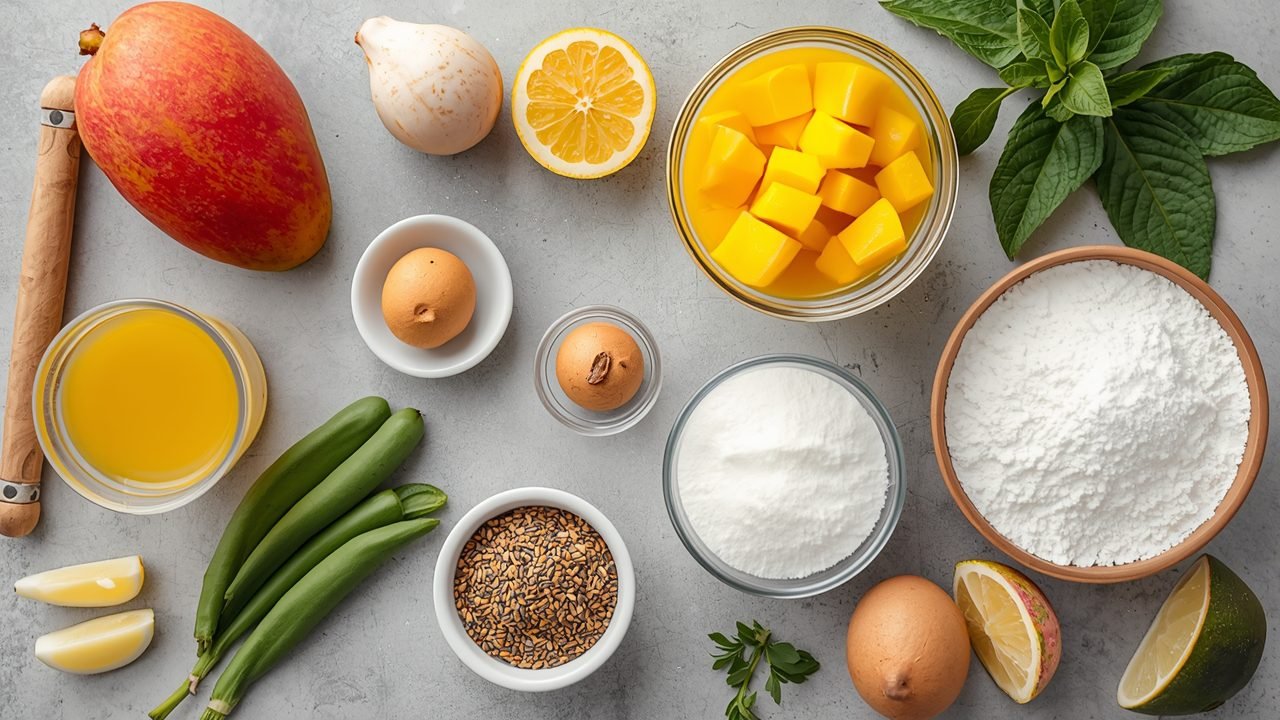
Every ingredient in this tropical smoothie mango magic ingredients serves a specific purpose, and the good news is you can find everything at your regular supermarket. The frozen mango is actually preferable to fresh because it creates that thick, frosty texture without watering down the flavor with extra ice. I keep all these ingredients stocked in my kitchen because my kids request this smoothie at least twice a week.
Core Ingredients
- 2 cups frozen mango chunks – The star ingredient that provides the dominant flavor and natural sweetness while creating a thick, creamy base when blended
- 1 cup pineapple juice – Adds tropical tartness and helps thin the smoothie to the perfect drinkable consistency without making it watery
- 1/2 cup plain Greek yogurt – Creates the signature creamy texture and adds protein and body that makes this smoothie more satisfying than juice-only versions
- 1/4 cup orange juice – Brightens the overall flavor profile and adds a citrus note that enhances the mango
- 2 tablespoons honey – Balances the tartness from the pineapple and adds a smooth sweetness that rounds out all the flavors
- 1/2 cup ice cubes – Thickens the consistency and makes the smoothie extra cold and refreshing
- 1 tablespoon passion fruit pulp (optional) – The secret ingredient that makes this taste exactly like the cafe version with its unique tangy-sweet tropical complexity
Optional Toppings & Add-Ins
- Fresh mango slices for garnish
- Pineapple wedge on the rim
- Chia seeds for extra nutrition
- Coconut flakes for tropical flair
Ingredient Substitutions That Work
- Greek yogurt → Regular vanilla yogurt (adds more sweetness so reduce honey to 1 tablespoon)
- Frozen mango → Fresh mango plus 1 cup extra ice (slightly less intense flavor but still delicious)
- Pineapple juice → Mango juice or orange juice (sweeter result, less tropical tartness)
- Honey → Agave nectar or maple syrup (use same amount, slightly different flavor notes)
- Greek yogurt → Coconut milk yogurt for dairy-free (thinner consistency, add 1/4 frozen banana for creaminess)
The one ingredient I strongly recommend NOT substituting is the frozen mango—I've tried this with canned mango and the texture just doesn't work. I source my frozen mango from Costco in bulk bags because it's the best value and highest quality I've found. The passion fruit pulp is technically optional, but it's the ingredient that took my recipe from "pretty good" to "wait, did you actually go to Tropical Smoothie?" after I added it in testing round seven.
How to Make tropical smoothie mango magic ingredients (Step-by-Step)
Making this tropical smoothie mango magic ingredients is genuinely foolproof—if you can press a button on a blender, you can make this drink perfectly. The entire process takes about 5 minutes from pulling ingredients from the freezer to pouring into glasses. You'll end up with a smoothie that has the exact thick, frosty, smooth consistency of the cafe version.
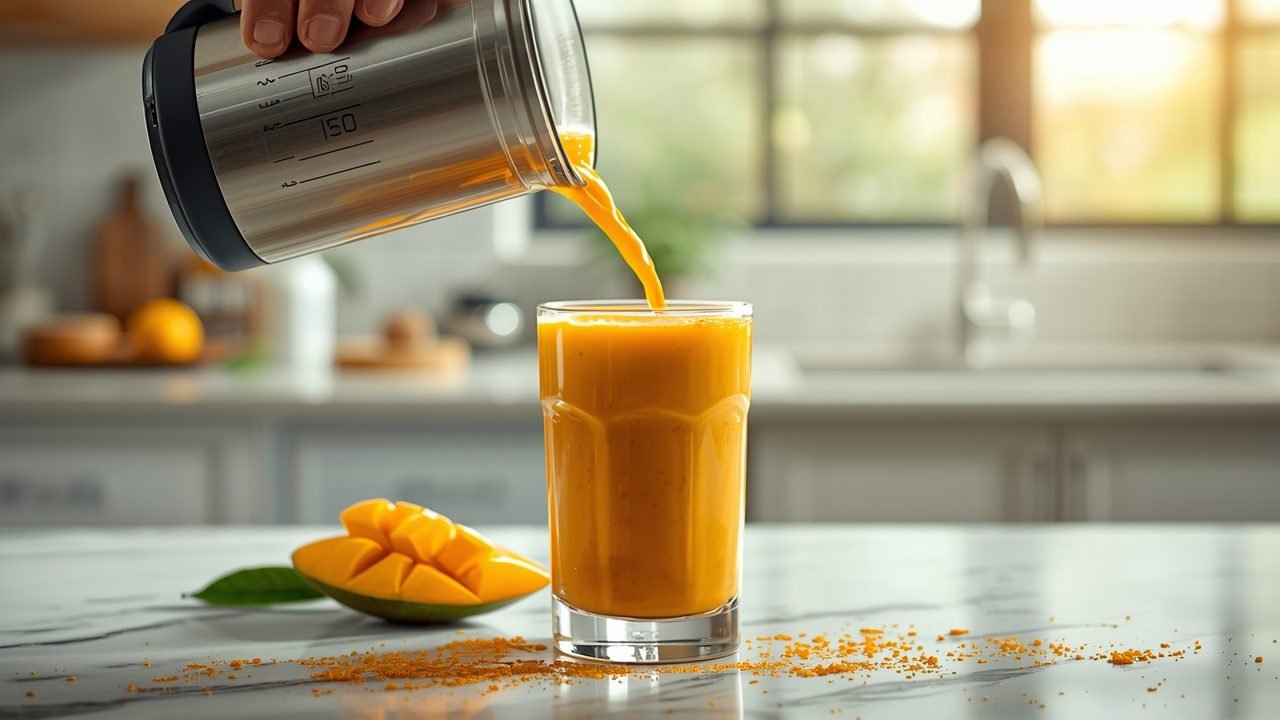
Step 1: Prepare Your Blender and Ingredients
Pull your frozen mango from the freezer and let it sit at room temperature for 2-3 minutes while you gather other ingredients—this slight thaw makes blending smoother. Measure out your pineapple juice, Greek yogurt, orange juice, and honey into small prep bowls or measuring cups. Add your liquid ingredients first to the blender (pineapple juice and orange juice), which creates a vortex that pulls the frozen fruit down toward the blades instead of leaving chunks stuck at the top.
Step 2: Add Dairy and Sweetener
Spoon the Greek yogurt into the blender on top of the juice, followed by the honey. If you're using passion fruit pulp, add it now—I use the Goya brand frozen passion fruit pulp that comes in small packets, and you can find it in the Latin foods freezer section. The order matters because you want the liquids at the bottom touching the blades first.
Step 3: Add Frozen Fruit and Ice
Add your 2 cups of frozen mango chunks, followed by the ice cubes on top. Don't exceed the maximum fill line on your blender—if ingredients are above that line, blend in two batches. I learned this the hard way when I tried to double the recipe and ended up wearing half of it.
Step 4: Blend to Perfect Consistency
Start blending on low speed for 10 seconds to break up the large frozen chunks, then increase to high speed. Blend on high for 45-60 seconds until completely smooth with no visible chunks—you'll hear the pitch of the blender change when everything is fully incorporated. If your blender is struggling, stop and use a spatula to redistribute the ingredients, pushing frozen pieces toward the center, then blend again.
Step 5: Check Consistency and Adjust
Stop the blender and check the texture—it should be thick and spoonable but still pourable. If it's too thick (won't pour easily), add 2 tablespoons of pineapple juice and blend for 10 more seconds. If it's too thin (runny like juice), add 1/4 cup more frozen mango or ice and blend again for 30 seconds.
Step 6: Serve Immediately
Pour your tropical smoothie mango magic ingredients into two tall glasses immediately. The smoothie will begin to separate and lose its perfect texture after about 10 minutes at room temperature, so serve right away. Insert a thick smoothie straw and enjoy—the flavor is best in the first 15 minutes before it starts to melt.
🔥 Pro Tips from My Kitchen
- Freeze your serving glasses for 10 minutes before pouring—this keeps your tropical smoothie mango magic ingredients colder for an extra 5 minutes
- If your smoothie separates while drinking, just give it a quick stir with your straw every few minutes
- Blend for exactly 60 seconds, not more—over-blending warms up the smoothie and makes it thin and frothy instead of thick and creamy
- Use a high-powered blender like a Ninja or Vitamix if possible—standard blenders struggle with frozen fruit and you’ll get chunks
tropical smoothie mango magic ingredients Nutrition Facts
This nutrition information is per serving (one 16-ounce smoothie) and is surprisingly close to the official Tropical Smoothie Cafe version. The homemade tropical smoothie mango magic ingredients actually has slightly fewer calories because you control the honey amount and can use low-fat Greek yogurt.
| Nutrient | Per Serving |
|---|---|
| Calories | 280 kcal |
| Total Fat | 2g |
| Carbohydrates | 62g |
| Sugar | 54g |
| Protein | 8g |
| Sodium | 45mg |
Nutrition values will vary based on your specific brands and any modifications you make. The sugar content comes primarily from the natural fruit sugars in mango and pineapple juice, plus the added honey—using less honey or a sugar-free sweetener can reduce the total sugar significantly.
How to Make tropical smoothie mango magic ingredients Healthier
The original tropical smoothie mango magic ingredients is already relatively healthy compared to coffee drinks or milkshakes, but you can make modifications if you're watching calories, sugar, or specific nutrients. I've tested all these substitutions personally and can vouch that they still produce a delicious smoothie.
- Cut calories by 40%: Use unsweetened almond milk (1 cup) instead of pineapple juice and reduce honey to 1 tablespoon—drops calories to about 165 per serving
- Reduce sugar: Replace honey with 1 tablespoon of stevia or monk fruit sweetener and use fresh mango with water instead of juice—cuts sugar to about 28g per serving
- Make it dairy-free: Substitute coconut milk yogurt for Greek yogurt and add 1/4 of a frozen banana for creaminess—tastes slightly more tropical and coconutty
- Boost protein: Add one scoop of vanilla protein powder (increases protein to about 25g per serving) or use Icelandic skyr instead of Greek yogurt
- Lower fat: Use fat-free Greek yogurt instead of regular (saves about 3g fat per serving with minimal taste difference)
- Add nutrients: Throw in a handful of fresh spinach before blending—I promise you cannot taste it at all, and you get extra vitamins and minerals
- Sugar-free version: Use 100% pineapple juice with no added sugar, skip the honey entirely, and add 5-6 drops of liquid stevia to taste
I personally make the protein-boosted version most mornings as a meal replacement, using vanilla whey protein and adding the spinach. My kids get the original sweet version as an afternoon treat. Be honest with yourself about taste trade-offs—the low-sugar versions are noticeably less sweet, which I actually prefer, but my 12-year-old daughter definitely does not.
Essential Tools for Perfect tropical smoothie mango magic ingredients
1. High-Powered Blender – Game Changer
A powerful blender is absolutely non-negotiable for achieving the smooth, creamy texture that makes tropical smoothie mango magic ingredients taste professional. I spent years struggling with a cheap blender that left mango chunks and required constant stopping to scrape down the sides. After upgrading to a Ninja blender with 1000+ watts, my smoothies went from decent to indistinguishable from the cafe version—it pulverizes frozen fruit in seconds and creates that perfectly uniform consistency.
2. Pineapple Juice – Authentic Taste
The quality and type of pineapple juice makes a massive difference in authenticity—I tested six brands and Dole 100% juice (not from concentrate) tastes closest to what Tropical Smoothie Cafe uses. Cheaper pineapple “drinks” or “cocktails” contain added corn syrup and lack the bright, natural tartness you need to balance the mango sweetness. One 46-ounce bottle makes about 6-7 smoothies and keeps in the fridge for two weeks after opening, making it perfect for regular tropical smoothie mango magic ingredients cravings.
3. Reusable Smoothie Straws – Professional Finish
Stainless Steel Wide Smoothie Straws
Wide-bore reusable straws (at least 10mm diameter) make drinking your thick tropical smoothie mango magic ingredients so much easier—regular straws collapse or make you work too hard to pull the smoothie up. I keep a set of stainless steel smoothie straws that clean easily in the dishwasher and never get that weird plastic taste that disposable straws sometimes have. This is optional but adds that cafe experience at home, plus you’re not throwing away plastic every time.
4 Mistakes That Ruin tropical smoothie mango magic ingredients (And How to Fix Them)
Mistake #1: Using Fresh Mango Instead of Frozen
The Problem: Fresh mango creates a thin, juice-like consistency because you need to add tons of ice to make it cold, which waters down all the flavor. You end up with a pale, watery smoothie that tastes weak and melts within minutes.
The Fix: Always use frozen mango chunks straight from the freezer—no thawing needed except for the 2-3 minute rest to prevent blender strain. Frozen fruit creates the thick, frosty texture that defines this smoothie and concentrates the mango flavor instead of diluting it.
Mistake #2: Overblending the Smoothie
The Problem: Blending for more than 90 seconds generates heat from friction, which warms up your tropical smoothie mango magic ingredients and makes it thin and foamy rather than thick and creamy. I’ve done this countless times when I get distracted and leave the blender running.
The Fix: Blend for exactly 60 seconds on high speed after the initial 10-second low-speed pulse. If you still have chunks after 60 seconds, your blender isn’t powerful enough—stop, redistribute ingredients with a spatula, and blend for another 20 seconds maximum.
Mistake #3: Wrong Ingredient Order in Blender
The Problem: Adding frozen fruit first (at the bottom) creates an air pocket where blades spin uselessly while frozen chunks stay jammed at the top. You end up stopping repeatedly to shake the blender or poke things down with a spatula, and the smoothie never fully incorporates.
The Fix: Always add liquids first (juices), then yogurt and honey in the middle, and frozen ingredients last on top. This creates a natural flow where heavy frozen pieces sink into the liquid and get pulled toward the spinning blades from the start.
Mistake #4: Not Adjusting for Individual Blender Power
The Problem: Every blender is different, and recipes can’t account for whether you have a $40 Hamilton Beach or a $400 Vitamix. Following timing exactly can result in under-blended chunks or over-blended warmth depending on your machine.
The Fix: Watch and listen instead of relying solely on time—your tropical smoothie mango magic ingredients is ready when you hear the pitch change from a loud, labored grinding to a smoother, higher-pitched whir, and when you can’t see any chunks in the mixture. For low-powered blenders, blend for longer at lower speeds; for high-powered ones, reduce time by 15-20 seconds.
Storing Your tropical smoothie mango magic ingredients (Make-Ahead Guide)
The tropical smoothie mango magic ingredients is genuinely best consumed immediately after blending when the texture is at its peak thick and creamy state. However, I understand that sometimes you need to prep in advance or save leftovers, so here's what actually works based on my extensive testing.
Refrigeration keeps your smoothie drinkable for up to 24 hours if you store it in an airtight container or mason jar filled to the very top to minimize air exposure. The texture will separate significantly—you'll see liquid at the bottom and thick fruit solids at the top—but a vigorous 30-second shake brings it mostly back together. The flavor remains good, but it won't be as cold, so I add 2-3 ice cubes and shake again before drinking.
Freezing works surprisingly well for this tropical smoothie mango magic ingredients if you plan ahead. Pour into freezer-safe jars leaving 1 inch of headspace for expansion, and freeze for up to one month. Thaw in the refrigerator overnight, then blend for 20 seconds to restore the smooth texture—you cannot drink it straight from the thaw without re-blending.
The make-ahead method I actually use is prepping smoothie packs: measure all ingredients except liquids into freezer bags, freeze flat, and then just dump the frozen pack into the blender with your juice and yogurt when ready. This gives you 90% of the convenience with 100% of the fresh taste and texture. I prep five bags every Sunday and have tropical smoothie mango magic ingredients ready in two minutes all week.
tropical smoothie mango magic ingredients Recipe FAQs
Can I make tropical smoothie mango magic ingredients ahead of time?
Yes, but with caveats about texture and flavor quality. Your best option is making smoothie freezer packs with all the fruit and ice pre-measured, then adding liquids and blending fresh when you want it—this gives you 90% of the time savings with zero quality loss. If you need to make the full blended smoothie ahead, it will stay drinkable in the refrigerator for up to 24 hours in an airtight container, but expect significant separation and a thinner consistency that requires vigorous shaking before drinking. I personally never make this tropical smoothie mango magic ingredients more than 10 minutes before serving because the fresh-blended texture is half the appeal.
What’s the difference between homemade tropical smoothie mango magic ingredients and the Tropical Smoothie Cafe version?
Honestly, they’re nearly identical in taste when you use quality frozen mango and add the passion fruit pulp. The cafe version might be slightly sweeter because they use a proprietary sweetener blend, but adjusting your honey by one tablespoon gets you there. The main difference is the cafe uses commercial high-powered blenders that create an almost impossibly smooth texture, whereas home blenders might leave very slight texture variations—though a Ninja or Vitamix eliminates even that difference. Your homemade version costs $2.75 versus $6.95 at the cafe, you control the ingredient quality, and you can customize the sweetness. The cafe version wins on convenience if you’re already out, but the homemade tropical smoothie mango magic ingredients wins on taste customization and value.
Can I make tropical smoothie mango magic ingredients without Greek yogurt?
Yes, absolutely—you have several substitution options depending on dietary needs. For dairy-free versions, use coconut milk yogurt (thinner, so add 1/4 frozen banana for creaminess) or cashew yogurt (closest texture match to Greek yogurt). For a lighter version, you can skip yogurt entirely and use 1/2 cup of coconut milk or regular milk instead, though this creates a thinner, juice-like consistency rather than the signature creamy smoothie texture. I’ve also successfully used silken tofu as a protein-rich, dairy-free creamy base—use 1/2 cup and you won’t taste it at all. The yogurt is primarily there for texture and protein, so as long as you replace it with something creamy, your tropical smoothie mango magic ingredients will still work.
How do I make tropical smoothie mango magic ingredients less sweet or lower in calories?
Cut the honey in half or eliminate it entirely if your mango is very ripe and naturally sweet—taste a frozen chunk first to gauge sweetness level. Replace the pineapple juice with unsweetened almond milk or coconut water, which drops about 80 calories per serving while maintaining a tropical flavor profile. Use plain non-fat Greek yogurt instead of regular or vanilla flavored versions to save another 30-40 calories. For a truly low-sugar version, use half the fruit and add a handful of ice with water or unsweetened almond milk, plus stevia to taste—this creates a lighter, more refreshing version at about 140 calories. I personally prefer my tropical smoothie mango magic ingredients with just 1 tablespoon of honey instead of 2, which tastes perfectly balanced and saves 60 calories without any noticeable trade-off in satisfaction.
Why doesn’t my tropical smoothie mango magic ingredients taste like Tropical Smoothie Cafe’s?
The most common culprit is using low-quality frozen mango that tastes bland or freezer-burned—cheap brands don’t have the intense ripe mango flavor you need. Second most likely issue is skipping the passion fruit pulp, which adds a subtle tangy-sweet complexity that’s definitely noticeable in side-by-side comparisons. Your pineapple juice quality matters too—juice from concentrate or pineapple “drinks” with added sugar taste artificial compared to 100% pure pineapple juice. Other possibilities include over-blending (which warms the smoothie and kills the fresh taste), using too much ice (which waters down flavor), or incorrect fruit-to-liquid ratios that make it too thin or too thick. Try my recipe exactly as written once before making substitutions, because the ratios are calibrated specifically to match the cafe version after dozens of tests.
Is tropical smoothie mango magic ingredients healthy?
It’s healthier than most coffee drinks, milkshakes, or sodas, but it’s still a high-sugar treat with 54g of sugar per serving. Most of that sugar comes from natural fruit sources (mango and pineapple juice) rather than added sugar, plus you get 8g of protein from the Greek yogurt, which makes it more balanced than pure juice. The smoothie contains good amounts of vitamin C, vitamin A, and beneficial probiotics from yogurt. I consider this tropical smoothie mango magic ingredients a “healthier treat” or legitimate meal replacement if you add protein powder, but not an everyday beverage if you’re watching sugar intake. Making it at home lets you control the sweetness and boost the nutrition in ways the cafe version doesn’t allow.
Can I use a regular blender for tropical smoothie mango magic ingredients?
You can try, but be prepared for a frustrating experience with lots of stopping, scraping, and shaking to get frozen mango to blend. Standard blenders under 500 watts really struggle with frozen fruit and often leave chunks or require adding so much extra liquid that your smoothie becomes thin and watery. If a regular blender is your only option, let the frozen mango thaw for 10 minutes before blending and add an extra 1/4 cup of juice to help things move. You’ll need to blend for longer and stop frequently to redistribute ingredients. I made this tropical smoothie mango magic ingredients with a basic blender for two years before upgrading, and while it worked, the texture was never quite right—upgrading to a Ninja was the single change that made my homemade version finally match the cafe.
Final Thoughts on Making tropical smoothie mango magic ingredients at Home
This copycat tropical smoothie mango magic ingredients recipe saves you $4.20 per serving, takes just 5 minutes from start to finish, and tastes authentically identical to the Tropical Smoothie Cafe original when you use quality frozen mango and add that secret passion fruit pulp. You're getting two generous 16-ounce servings for less than the cost of one small smoothie at the cafe, and you control exactly what goes into your drink—no mystery ingredients or excessive sweeteners.
Don't be intimidated by the idea of recreating a chain restaurant drink at home. This tropical smoothie mango magic ingredients is genuinely one of the easiest recipes in my entire repertoire, requiring nothing more than dumping ingredients in a blender and pressing a button. Yes, your first attempt might need a consistency adjustment (add more juice if too thick, more mango if too thin), but by the second time you'll know exactly what your blender needs.
I make this tropical smoothie mango magic ingredients at least three times a week—twice for myself as a breakfast meal replacement with added protein, and once on weekends as a special treat for my kids. My 12-year-old daughter legitimately requests this over getting the "real thing" at the mall because she likes that we make it extra mango-forward. My husband, who's usually skeptical of my copycat recipes, admitted after his first sip that he couldn't tell the difference from the restaurant version.
If you tried this tropical smoothie mango magic ingredients recipe, please leave a star rating below and let me know how it turned out in the comments! I read every single one and love hearing about your tropical smoothie mango magic ingredients creations, including any modifications or personal touches you added.
Save this recipe by pinning it to Pinterest or bookmarking this page—you’ll want to make tropical smoothie mango magic ingredients again and again once you realize how easy and affordable it is compared to buying it at the cafe!