
Escape with These Tropical Cocktail Recipes — Easy, Authentic, Refreshing Drinks You Can Make at Home
Tropical cocktails are fruit-forward drinks that lean on bright citrus, ripe tropical fruit, and creamy or spiced elements to conjure an instant vacation vibe. This guide shows you how to spot the signature ingredients, recreate classics like the Piña Colada and Mai Tai, and adapt techniques for home bartenders working with basic tools. Many home hosts wrestle with sweetness, acidity, and texture; here we simplify ratios, share quick blender and two-ingredient fixes, and outline both authentic and alcohol-free options. You’ll find practical recipes, ingredient primers, and step-by-step technique notes for blending, shaking, and batching so each drink tastes balanced and palm-tree ready. Keep reading for what makes a cocktail “tropical,” the most-loved classics and easy at-home recipes, frozen and mocktail variations, plus a compact ingredients-and-techniques primer to help you choose rums, coconut products, and garnishes with confidence.
What Are Tropical Cocktails and What Makes Them Unique?
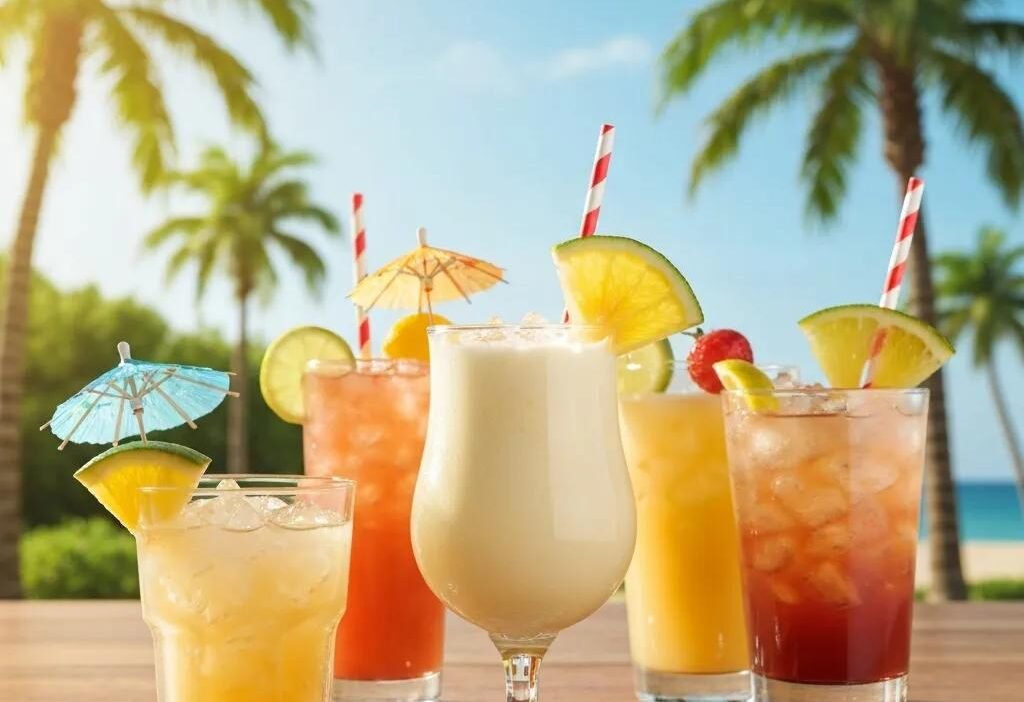
Tropical cocktails are recognized by bold fruit flavors, a clear sweet–acid balance, and a presentation that highlights aroma and texture for a beachside feel. They usually draw from a few ingredient families—rum and light spirits, tropical juices, coconut-based creams, and specialty syrups—that layer into bright, refreshing profiles. The “escape” feeling comes from sensory cues: zesty lime or grated nutmeg on the nose, the lush mouthfeel of coconut, and a chilled, often blended texture that signals leisure. Making a convincing tropical cocktail is about blending contrasts—acid, sugar, fat, and aroma—so the final drink reads like sunshine in a glass and invites guests to unwind.
Which Key Ingredients Define Tropical Cocktails?
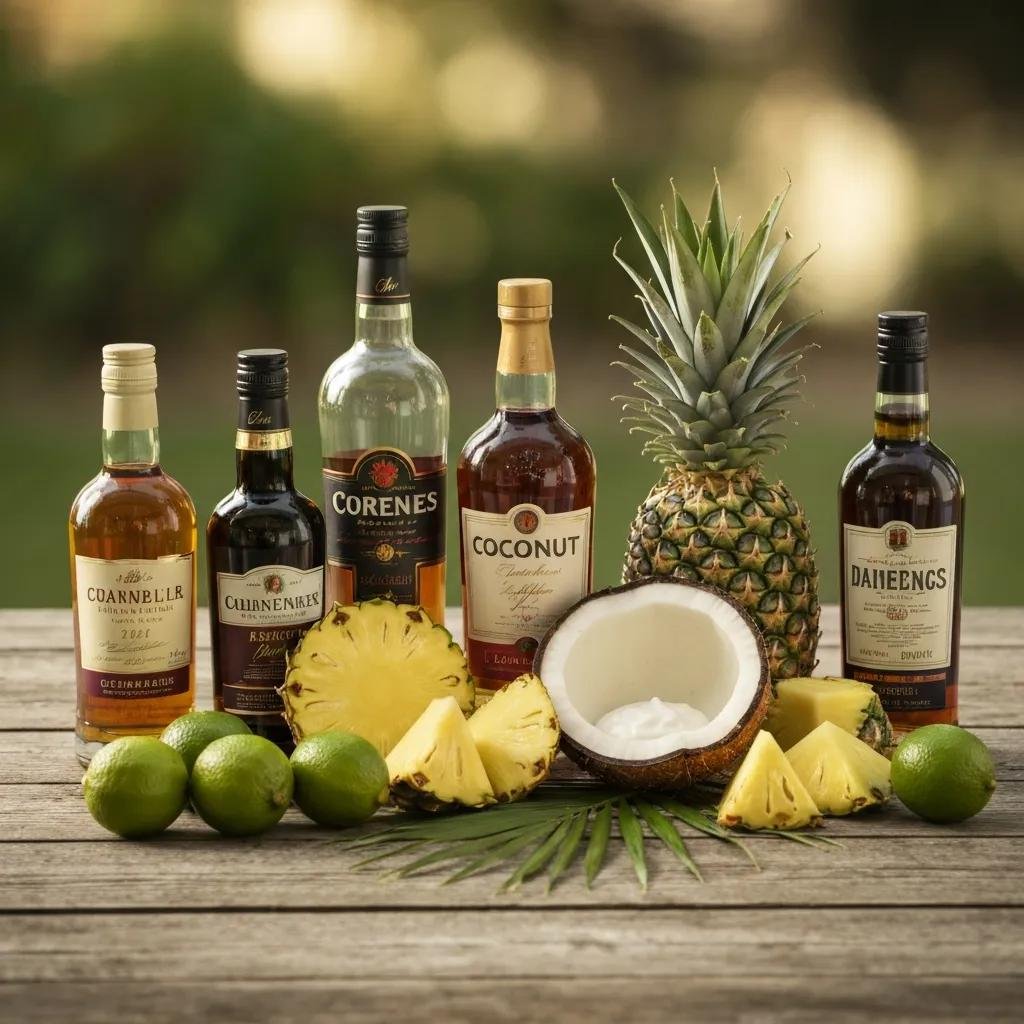
Tropical cocktails revolve around a handful of reliable ingredient groups that shape flavor and texture. Fresh citrus (especially lime, sometimes orange) adds the acidity that balances sweet juices like pineapple and mango. Coconut cream or cream of coconut provides the rich mouthfeel behind a classic Piña Colada. Rum—white, gold, or spiced—serves as the usual spirit backbone; orgeat gives almond nuttiness to tiki staples, while passion fruit or guava introduce floral, tart notes. Substitutions matter: coconut milk will make a lighter drink than cream of coconut, and canned pineapple juice is sweeter and less aromatic than fresh-pressed—so tweak acidity and dilution as needed.
How Do Tropical Cocktails Capture the Feeling of a Vacation Escape?
Tropical cocktails create a sense of escape by pairing sensory hits—bright fruit aromas, silky textures, and playful garnishes—with serving rituals that feel celebratory. Glass choices (hurricane, tiki mug, or chilled coupe), crushed ice, toasted coconut, and citrus wheels all build an immersive moment that goes beyond taste. Little details—chilled glassware, upbeat music, a confident garnish—make a home-served drink feel intentional and transportive. Focus on aroma, balance, and presentation and you’ll recreate a vacation sensation without exotic tools or professional gear.
drinkattitude.com, created by cocktail enthusiast Ahmad Itani, is a recipe-driven blog that makes smoothies, cocktails, and coffee approachable at home; the site values accessibility, variety, inspiration, and health-conscious options and helps you adapt tropical recipes to everyday kitchens.
What Are the Most Popular Classic Tropical Cocktail Recipes?
Classic tropical cocktails give you dependable flavor frameworks you can personalize while keeping authentic technique intact. Key examples are the Piña Colada for creamy indulgence, the Mai Tai for layered almond-and-citrus complexity, the Mojito for minty brightness, Rum Punch for easy batching, and the Daiquiri for clean rum-and-citrus focus. Each classic demonstrates a core method—blending for creaminess, shaking for lift, stirring for clarity, and batching for scale—and offers a starting point for variations that suit your pantry and guests.
Popular classics and quick one-line notes:
- Piña Colada: Cream of coconut and pineapple blended with rum for a lush tropical staple.
- Mai Tai: Two rums with orgeat and lime for a nutty, citrus-forward tiki favorite.
- Mojito: Muddled mint with lime and sugar, then rum and soda for a bright, refreshing highball.
- Rum Punch: Batch-friendly mix of rum, citrus, and sweetener plus fruit juice for parties.
- Daiquiri: Shaken rum, lime, and sugar that showcases spirit clarity.
Before we dive into recipes, this quick comparison table sums up key ingredients and serving notes for these classics.
| Cocktail | Key Ingredients | Prep Method & Glassware |
|---|---|---|
| Piña Colada | Rum, cream of coconut, pineapple juice | Blend with ice; serve in a hurricane or tall glass with a pineapple wedge |
| Mai Tai | White & dark rum, orgeat, lime, orange liqueur | Shake and strain over crushed ice; garnish with mint |
| Mojito | White rum, lime, sugar, mint, soda | Muddle mint and lime, build in a highball, top with soda |
| Rum Punch | Mixed rums, citrus, simple syrup, fruit juices | Stir or batch in a punch bowl; serve over ice |
| Daiquiri | White rum, lime, sugar | Shake with ice and fine-strain into a chilled coupe |
This snapshot shows how classics differ in texture, balance, and presentation—once you pick a template, adjusting proportions is straightforward.
How Do You Make an Authentic Pina Colada Recipe?
An authentic Piña Colada balances creamy coconut with bright pineapple and a supportive rum presence for a silky mouthfeel. Use cream of coconut for real richness—coconut milk will be thinner and may need less dilution—and prefer fresh pineapple juice when possible for extra aroma and acidity. Blend with crushed ice to a spoonable, velvety texture and finish with a pineapple wedge and a dusting of grated nutmeg or toasted coconut for extra aroma. Tweak the rum to taste: more for spirit-forward drinks, less to keep it dessert-like. Always taste and adjust the sweetness–acidity balance before serving.
What Is the Traditional Mai Tai Cocktail Recipe?
The classic Mai Tai uses two rums—a light base and a darker, flavorful rum—alongside orgeat, lime, and orange liqueur for a layered, nutty-citrus profile. Traditional ratios highlight the dance between rum and orgeat, with just enough orange liqueur to support the lime. Garnish with mint and an expressed lime peel to lift the aroma. Variations exist between Trader Vic and Donn Beach versions, but the central idea is a spirit-forward drink balanced by almond sweetness and bright citrus. At home, measure carefully and use fresh lime juice for a clean, balanced finish.
How to Prepare a Classic Rum Punch Recipe Caribbean Style?
Think of Caribbean-style rum punch as a template you can scale: a common ratio is roughly 3 parts juice to 1 part spirit, with a dash of syrup and bitters to round things out. Use pineapple, orange, and lime juices for depth, blend rums for complexity, and add a touch of grenadine or simple syrup to smooth sweetness. Serve over ice in a punch bowl or pitcher with citrus wheels and floating fruit for a showy presentation. Batch-ready tips: chill juices ahead and add fresh citrus just before guests arrive to keep the mix bright.
Which Easy Tropical Cocktail Recipes Are Perfect for Home Bartenders?
Home bartenders do best with recipes that favor accessibility, minimal equipment, and forgiving ratios that tolerate small measurement errors while still tasting great. Two-ingredient combos and blender drinks let hosts make crowd-pleasing tropical cocktails without a full bar. If you’re after practical options, know that drinkattitude.com centers accessibility for home enthusiasts with straightforward recipes and approachable inspiration.
What Are Quick and Simple Rum-Based Tropical Drinks?
Quick rum-based tropical drinks deliver big flavor with little fuss and use pantry-friendly ingredients. Think rum and pineapple (rum + pineapple juice over ice with a lime wedge), a shaken daiquiri (rum, lime, simple syrup), or a simplified Mojito using a muddled citrus–mint packet and soda. These recipes are forgiving—measure by eye when you need to and taste before serving to tweak acidity. A couple of quick garnish and glassware tips will make a simple drink look polished and vacation-ready.
How Can You Make 2-Ingredient Tropical Mixers at Home?
Two-ingredient tropical mixers stretch limited supplies into multiple cocktails by pairing them with different spirits. Classic pairings include pineapple juice + coconut water for blending with rum or vodka, mango nectar + soda for light spritzes, and passion fruit purée + simple syrup as a potent mixer for white rum. Batch these mixers in pitchers, chill them well, and add spirits on demand so guests can customize. Store mixers in airtight bottles in the fridge for up to 48 hours, and shake or stir before using to re-emulsify settled pulp.
How Can You Enjoy Frozen Tropical Drinks to Beat the Heat?
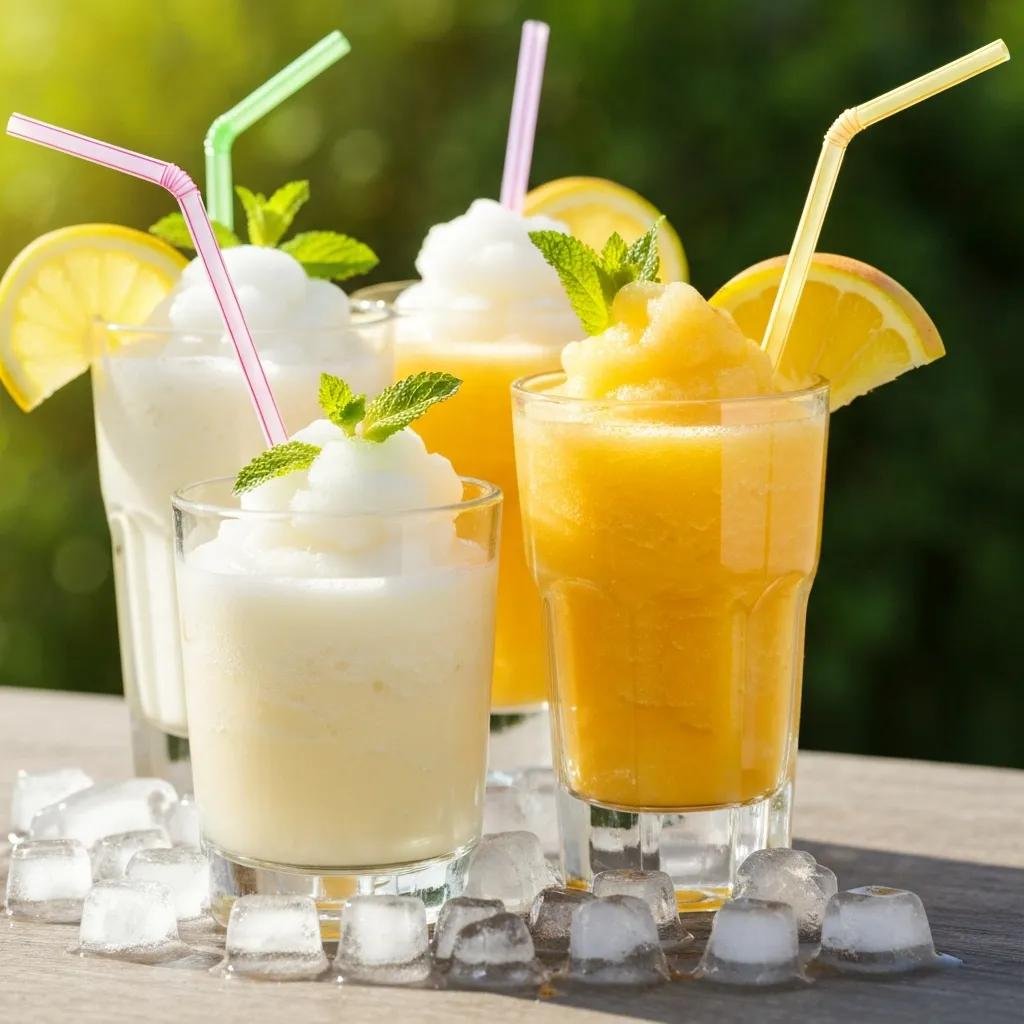
Frozen tropical drinks depend on the right balance of ice, liquid, and fruit solids to create a smooth slush that chills without diluting flavor. A useful rule: aim for about 2:1 to 3:1 liquid (juices plus spirit) to ice and use short blender pulses to avoid warming. Freeze fruit ahead for a thicker texture and use crushed ice when you can for a silkier mouthfeel. Frozen blends turn classic tropical flavors into spoonable, poolside treats perfect for hot days and summer gatherings.
What Are Popular Frozen Tropical Cocktail Recipes?
Popular frozen options include the Frozen Piña Colada, Frozen Mango Daiquiri, and rum punch slushes made from mixed juices, ice, and rum for shareable pitchers. Each relies on good fruit and correct ice-to-liquid ratios—for instance, a frozen Daiquiri uses less sweetener than a blended Piña Colada so the rum stays bright. For lower-sugar or alcohol-free versions, swap part of the juice for sparkling water or use frozen fruit for natural sweetness without extra syrups. When blending, pulse and taste often to stop at the perfect texture.
How Do You Make Tropical Ice Pops and Frozen Treats?
Turning cocktails or mocktails into frozen treats keeps the flavor but makes them portable and family-friendly. The trick: reduce or omit alcohol so the mix sets (alcohol above ~10–12% can prevent firm freezing), pour a slightly sweeter blend into molds, and freeze 6–8 hours until solid. For cocktailsicles, layer flavors for color and add small fruit pieces for texture. These frozen treats let tropical flavor travel beyond the glass and make for playful party snacks.
What Are the Best Non-Alcoholic Tropical Mocktail Recipes?
Non-alcoholic tropical mocktails copy the mouthfeel and layered flavors of boozy versions by using coconut cream, bright citrus, and effervescence to keep the experience premium. The idea is substitution—replace spirit depth with aromatic bitters, toasted nut syrups, or concentrated fruit reductions so the drink still feels complex. High-quality mocktails pay attention to texture (cream of coconut for richness or a dairy-free cream for silkiness), acidity for balance, and finishing aromas like grated citrus or toasted coconut flakes. Those touches make a virgin Piña Colada or tropical punch feel deliberate and satisfying for low- or no-ABV guests.
How to Make a Virgin Pina Colada That Tastes Like the Original?
A convincing virgin Piña Colada preserves the cream-forward mouthfeel and pineapple brightness by using cream of coconut, fresh or high-quality pineapple juice, and a splash of non-alcoholic aromatic bitters or vanilla to suggest rum’s complexity. Blend with crushed ice until velvety and tweak sweetness by tasting—canned coconut creams can be quite sweet, so cut added syrup if needed. Finish with grated citrus zest or toasted coconut for aromatic lift and texture. Balance between sweetness and acidity is the key to authenticity.
What Are Refreshing Tropical Fruit Punch and Cooler Recipes?
Party-friendly tropical punches use a clear batching formula so flavor stays consistent at scale: typically 2–3 parts fruit juice to 1 part citrus, plus a measured sweetener, and sparkling water added just before serving for lift. Mix mango, pineapple, and citrus for layered fruit notes, add cooling elements like cucumber or mint for freshness, and present with floating citrus wheels and crushed ice for a photogenic finish. For lower-sugar versions, replace some juice with unsweetened coconut water or lightly sweetened iced tea and lean on fresh citrus to keep the mix bright.
| Mocktail | Alcohol-free Base | Texture | Best Occasion & Substitution Tips |
|---|---|---|---|
| Virgin Piña Colada | Cream of coconut + pineapple juice | Creamy | Poolside serve; reduce cream for lighter takes |
| Tropical Fruit Punch | Mango + pineapple + citrus | Light to medium | Party batching; add sparkling water for fizz |
| Mango Cooler | Mango nectar + soda water | Smooth & effervescent | Brunch or daytime events; swap soda for tonic for a bitter edge |
This quick reference shows how different mocktail bases deliver texture and match occasions so you can pick recipes that fit your event and dietary goals.
Which Tropical Cocktail Ingredients and Techniques Should You Know?
Getting a few ingredient distinctions and techniques right makes a big difference: choose the right rum for a recipe, learn to emulsify coconut cream, and know when to shake versus blend for the ideal texture. Techniques matter: shaking with crushed ice chills and aerates, blending yields smooth, spoonable results, muddling teases out mint and citrus oils, and batching keeps flavors consistent across servings. Understanding ingredient roles—rum for backbone, citrus for lift, coconut for body, syrups for sweetness—lets you tweak recipes with confidence while keeping the drink true to its identity.
What Types of Rum Are Best for Tropical Cocktails?
Each rum style offers a different flavor and should be matched to the recipe: white rum for bright, clean cocktails; gold rum for extra body and caramel notes; dark or aged rum for molasses warmth and color; and flavored rums (coconut or spiced) when you want a pronounced aromatic twist. Using two rums (light + dark) in drinks like the Mai Tai layers a clean backbone with richer, longer-lasting notes. When substituting, remember a coconut rum raises perceived sweetness, while aged rums add complexity without extra sugar.
How Do You Use Coconut Cream, Fresh Juices, and Tropical Garnishes?
Coconut cream gives many tropical drinks their emulsion and body—measure and taste because cream-of-coconut products vary in sweetness and thickness. Fresh juices bring brighter aromatics and sharper acidity than shelf-stable options, so cut back on sweetener when using fresh-pressed juice. Garnishes—mint sprigs, citrus wheels, dried pineapple, toasted coconut—add aroma and visual cues that prime the palate. Emulsify coconut cream by briefly blending it with a little warm liquid to prevent separation and create a consistent texture.
| Rum Type | Flavor Notes / Best Uses | Suggested Cocktails & Tasting Notes |
|---|---|---|
| White Rum | Clean, light, grassy | Daiquiri, Mojito — highlights citrus clarity |
| Gold Rum | Light caramel, fuller body | Piña Colada, Rum Punch — adds weight |
| Dark/Aged Rum | Molasses, spice, depth | Mai Tai accents, aged rum cocktails — adds warmth |
| Coconut / Flavored Rum | Sweet coconut or spice | Tropical twists — increases sweetness and aroma |
Key techniques to practice for better tropical cocktails:
- Blending: Use short pulses and frozen fruit to avoid warming and to achieve a creamy texture.
- Shaking: Shake with ice to aerate, chill, and integrate syrups and citrus.
- Muddling: Gently press mint and citrus to release aromatic oils without tearing leaves.
Working these techniques will improve consistency and presentation. Combine the right rums, master coconut emulsification, and use fresh juices and your tropical cocktails will feel both authentic and approachable.
drinkattitude.com and author Ahmad Itani provide clear, accessible recipes and inspiration for home bartenders who want to explore tropical cocktails and smoothies; the content focuses on minimal-equipment preparation and health-aware variations.
Frequently Asked Questions
What are some tips for balancing flavors in tropical cocktails?
Balance comes from harmonizing sweetness, acidity, and texture. Start with fresh ingredients for brighter flavor. Use citrus (lime or lemon) to cut sweetness and add brightness. Adjust sweeteners incrementally and taste as you go. Try different rums to find the depth that suits the drink, and remember texture—coconut cream or cream-of-coconut will change mouthfeel. Small adjustments as you taste will get you to a well-rounded, refreshing result.
How can I create tropical cocktails without alcohol?
Non-alcoholic tropical cocktails can be vivid and complex. Lean on fresh juices, cream of coconut, and flavored syrups for body and sweetness. Add sparkling water for lift and aromatic bitters or a touch of vanilla to suggest spirit depth. Garnishes like mint or fruit slices finish the experience. Experiment and taste—mocktails can be just as layered and satisfying as their boozy counterparts.
What are some common mistakes to avoid when making tropical cocktails?
Common missteps include over-sweetening, using low-quality ingredients, and ignoring balance. Measure syrups and juices carefully—too much sugar will flatten a drink. Use fresh juices where possible for better aromatics. Pay attention to texture: coconut milk versus cream-of-coconut will change the mouthfeel. Finally, taste throughout preparation so you catch and correct imbalances early.
How can I make tropical cocktails more visually appealing?
Visual appeal is part of the experience. Use colorful garnishes—fresh fruit slices, edible flowers, or mint sprigs—and pick glassware that matches the vibe (tiki mug, hurricane, coupe). Layer ingredients for a gradient effect by pouring slowly, and use crushed ice or shaped ice for extra polish. A thoughtful garnish and clean presentation make the drink feel more special.
What are some easy-to-make tropical cocktails for beginners?
Great beginner recipes include the Piña Colada (rum, cream of coconut, pineapple juice, blended with ice), the Mojito (muddled mint and lime, rum, soda), and a simple Rum Punch (mixed juices, rum, splash of grenadine). These recipes are forgiving and easy to tweak to taste, so they’re ideal for learning the basics.
How can I store leftover tropical cocktail ingredients?
Store ingredients to keep them fresh: fresh juices in airtight containers in the fridge and use within a few days; coconut cream in the fridge for up to a week—stir if it separates; fresh fruit refrigerated to extend life; syrups in sealed bottles in a cool, dark spot. Label containers with dates so you know when to use them.
Conclusion
Making tropical cocktails at home means enjoying bold, refreshing flavors without a full bar. Learn the key ingredients and techniques, lean on simple templates, and practice small adjustments—then you’ll be able to craft drinks that genuinely feel like an escape. Browse our recipes and tips, sharpen your home-bartending skills, and turn ordinary gatherings into mini vacations.