

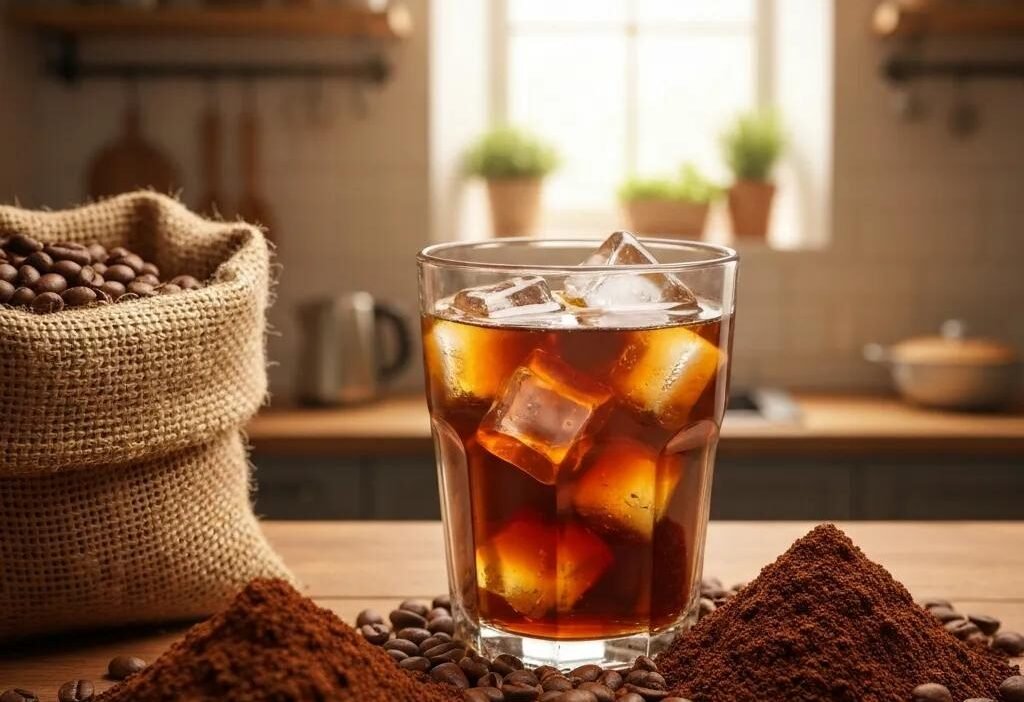
How to Make Cold Brew Coffee at Home — Simple Steps, Reliable Ratios, and Why It Works
Cold brew is made by soaking coarsely ground coffee in cold water for an extended period, pulling out flavor while keeping acidity low and the texture silky. This guide walks you through everything you need to brew a consistent, café-quality cold brew at home: correct ratios, grind size, the right gear, steeping windows, filtration, storage, and simple serving ideas. Home batches often come out weak or bitter because of the wrong grind, off ratios, or poor filtering — this article fixes those recurring issues with clear rules, troubleshooting tips, and easy-to-follow recipes. You’ll get practical ratio charts, equipment comparisons, step-by-step filtering and storage advice, and serving suggestions so you can scale or tweak recipes with confidence. Read on for a plain-language overview, an ingredients and gear checklist, precise ratio and grind guidance, steeping recommendations, and serving ideas that cover both concentrates and ready-to-drink brews.
What Is Cold Brew Coffee and Why Make It at Home?
Cold brew is a full-immersion method: coarse grounds steep in cold water for many hours to produce a low-acid, smooth concentrate that you can drink as-is or dilute. Because extraction happens at a low temperature, fewer sharp acids and tannins dissolve, so cold brew often tastes sweeter and less bright than hot-brewed coffee. Brewing at home saves money, gives you total control over roast and grind, and makes it easy to dial strength and flavor by adjusting simple ratios. This section explains what cold brew is, why it tastes mellow, and why making it yourself delivers fresher, more customizable results — setting you up for the practical gear and recipe tips that follow.
This guide is meant to teach home brewers about immersion techniques and recipe control. It’s informational, not promotional: our goal is to help you understand the variables that make great cold brew and point you toward resources to go deeper.
How Does Cold Brew Coffee Differ from Other Coffee Types?
Cold brew isn’t the same as iced coffee or hot-brewed methods. The main differences are temperature and extraction time: cold brew steeps slowly in cold water, while hot brewing extracts quickly at high temperatures; iced coffee is usually brewed hot, then cooled. Lower temperatures pull fewer acids and tannins, giving cold brew a smoother, less bitter profile that often leans chocolatey or nutty instead of bright and fruity. Immersion methods (like cold brew and French press) keep grounds in contact with water the whole time, while pour-over and drip use percolation and shorter contact. Those differences change which soluble compounds end up in your cup — and they explain why grind size, steep time, and filtration matter when you’re chasing a particular clarity or mouthfeel.
What Are the Key Benefits of Drinking Cold Brew Coffee?
Here are the main advantages you can expect from cold brew and why they matter for everyday brewing.
- Lower perceived acidity: Cold-water extraction pulls fewer acids and tannins, so the cup feels smoother and is often easier on sensitive stomachs.
- Concentrate versatility: A concentrated batch stores well and dilutes into multiple drinks — a time-saver that also opens up recipe possibilities.
- Flavor clarity: Long immersion highlights chocolatey and nutty notes in medium to medium-dark roasts while minimizing harsh bitterness.
Those benefits make cold brew a great choice for people who want gentler coffee, batch convenience, and flexible drinks. Next up: the equipment and ingredients that help you reach those outcomes at home.
What Equipment and Ingredients Do You Need for Cold Brew Coffee?

Keep your setup simple and repeatable. The essentials are a burr grinder for a consistent coarse grind, a stable steeping vessel (mason jar, French press, or a dedicated cold-brew maker), a filter, and a scale to hit accurate ratios. Water quality matters — use filtered water for the cleanest flavor — and pick beans that match the profile you want because roast level greatly affects sweetness and body. Below are practical options to help you choose gear by batch size and budget.
Different brewers favor different tools based on capacity and ease of use:
| Equipment | Material / Capacity | Best Use |
|---|---|---|
| Mason jar + nut-milk bag | Glass / Small batches (300–1000 ml) | Budget-friendly, easy to store and filter |
| French press | Glass or stainless / 500–1500 ml | Quick separation with a plunger; good for coarse grounds |
| Dedicated cold brew maker | Glass/stainless / 1–2 L | Convenience and built-in filtration for regular batches |
This comparison helps you match a tool to how often you brew and how clear you want the final cup to be. Adding a grinder and a scale is the fastest way to make your results repeatable across batches.
Our aim is to educate — not push products. By explaining how grind, vessel, and filters interact, you can choose tools that fit your routine without being guided toward specific purchases.
Which Coffee Beans Are Best for Cold Brew?
Pick beans based on roast level, origin, and blend to match the flavor you want. Medium to medium-dark Arabica coffees are a common go-to because they bring chocolate, caramel, and nutty notes and hold up well to dilution. Lighter, fruit-forward single-origins can work but tend to make brighter, less conventional cold brews. Freshly roasted beans ground just before steeping preserve aromatics; if you need convenience, buy whole beans and store them in a cool, opaque airtight container. Beans with moderate oil content perform well for concentrates, but very oily beans can clog filters — so keep roast and freshness in mind when planning filtration.
Research into instant cold brew production underscores how bean choice and roast level shape flavor outcomes.
Instant Cold Brew Coffee Production: Bean Selection, Roasting, and Grinding
This study set out to develop a process for making instant coffee from cold-brewed Arabica and Robusta beans. Researchers tested mixes of Arabica and Robusta, roast levels (light, medium, dark), and grind sizes (coarse, fine). Sensory panels found that a blend of 92.5% Arabica and 7.5% Robusta, medium roasted and coarsely ground, produced instant cold-brewed coffee that matched or outperformed other instant coffees. The selected beans underwent vacuum-assisted cold extraction and the extract was spray-dried.
What Equipment Makes Cold Brew Brewing Easy at Home?
What you choose depends on batch size, clarity goals, and budget. For small batches, a mason jar and nut-milk bag or fine mesh is inexpensive and effective. A French press speeds separation for medium-sized batches. A dedicated cold-brew maker simplifies multi-stage filtration when you want very clear concentrate. Use a burr grinder: aim for particles that look like raw sugar or coarse sea salt to avoid over-extraction and make filtering easier. A digital scale is one of the highest-impact upgrades for consistent coffee-to-water ratios — pair it with a timer so your steep windows stay the same. These practical choices cut variability and let you focus on taste.
What Is the Ideal Cold Brew Coffee Ratio and Grind Size?
The right ratio and grind size control concentration, extraction balance, and flavor. A coarse grind slows extraction, and the coffee-to-water ratio determines whether you end up with a concentrate or a ready-to-drink brew. Pick coarse grinds to limit over-extraction and choose your ratio based on whether you want a concentrate (great for lattes and storage) or a drinkable batch. Below is a quick table comparing common ratios and when to use them.
| Brew Type | Coffee : Water (by weight) | Notes |
|---|---|---|
| Concentrate (strong) | 1 : 4 | Common for concentrate; dilute 1:1 to 1:3 for serving |
| Ready-to-drink (medium) | 1 : 8 | Balanced strength, no dilution needed |
| Light / Mild | 1 : 15 | For a gentler, less caffeinated profile |
What Coffee-to-Water Ratios Produce the Best Cold Brew?
Use practical ratios for predictable results: start with 1:4 (coffee:water) by weight to make a concentrate and dilute to taste — many people dilute 1:1 to 1:3 — while 1:8 produces a ready-to-drink batch straight from the jar. Example: to make 1 liter of concentrate at 1:4, combine 200 g coffee with 800 g water; after steeping, dilute as you like. Adjust ratios for roast and personal taste: darker roasts can handle a slightly leaner ratio, while lighter roasts often benefit from a fuller concentrate. Keep a brewing log with roast, grind, ratio, and steep time so you can repeat the batches you like.
Why Is Coarse Grind Size Important for Cold Brew?
Coarse grind reduces exposed surface area, slowing extraction and limiting bitter compounds and fines that cause cloudiness. Finer grinds speed extraction, increasing the risk of bitterness and making filtration harder because small particles slip through mesh. Aim for a texture like coarse sea salt; if your grinder produces a lot of fines, consider a burr grinder for a more even grind. Correct grind size improves clarity, mouthfeel, and filtration ease — and it also affects optimal steeping time.
How Long Should You Steep Cold Brew Coffee for Optimal Flavor?
Steep time controls extraction depth. Typical ranges are 12–24 hours: shorter steeps (around 8–12 hours) give lighter, more tea-like flavors; 12–18 hours is a balanced sweet spot; and 18–24+ hours yields a fuller-bodied, bolder concentrate. Remember that steep time works with grind size and ratio — coarser grinds and leaner ratios often need more time — so treat time, grind, and ratio as a system. The table below links steep times to expected flavor and common uses to help you choose the window that fits your taste and schedule.
| Steep Time | Flavor Outcome | Recommended Use |
|---|---|---|
| 8–12 hours | Mild, delicate | Quick batch; lighter roast emphasis |
| 12–18 hours | Balanced, smooth | Standard home-brewing sweet spot |
| 18–24+ hours | Full-bodied, bold | Strong concentrate; darker roast suited |
What Factors Affect Cold Brew Steeping Time?
Several variables change optimal steeping time: grind size (coarser slows extraction), ratio (stronger ratios reach target strength faster), temperature (slightly warmer water speeds things up), and agitation (stirring or shaking increases contact). Bean roast and age also matter — fresher beans may extract more readily — and the shape of your vessel (wide mouth vs. narrow) affects extraction kinetics. Consider these factors together: if your brew is weak after 18 hours, either use a finer grind, add more coffee, or lengthen steep time a bit — and note the change so you can reproduce it.
How to Adjust Steeping Time for Stronger or Milder Cold Brew?
To make brew stronger without pushing bitterness, first increase the coffee dose (move toward a 1:4 concentrate) or reduce dilution when serving. You can also lengthen steep time in small increments for coarser grinds. If the brew tastes bitter, shorten steep time or coarsen the grind rather than just diluting — bitterness signals over-extraction. For milder results, start with a 1:8 ratio or steep 8–12 hours. A quick troubleshooting trick: keep a small test jar with adjusted variables to compare side-by-side and record what you change.
How Do You Filter and Store Homemade Cold Brew Coffee?
Filtering and storage affect clarity, shelf life, and safety. A two-stage filter — first a coarse mesh or nut-milk bag, then a paper filter or fine cloth — removes fines and some oils that cause cloudiness and off-flavors. Store in airtight, opaque containers in the fridge and label with the brew date; chilled concentrate typically keeps 7–14 days depending on dilution and handling. Your filtration choice also changes mouthfeel: rustic filters keep more oils and body, while fine filters brighten clarity but thin texture.
- Use a nut-milk bag or French-press mesh for a rustic, full-bodied concentrate.
- Run a second-stage filter with paper or fine cloth for clearer appearance and smoother mouthfeel.
- Refrigerate immediately after filtering and label containers to track freshness.
Two-stage filtration (coarse then fine) gives the clearest, most stable concentrate and reduces sediment in stored jars. The next section gives step-by-step filtering and storage practices you can follow.
What Are the Best Methods to Filter Cold Brew for Clarity?
A dependable two-stage filtration method balances clarity and body: first strain through a nut-milk bag or coarse mesh into a receiver, then pass the liquid through a folded paper filter or coffee cone to catch fine particles. Paper filters strip more oils and fines for a brighter cup; cloth or mesh preserves more body and texture. For the clearest concentrate, chill the brew first and decant slowly to leave settled fines behind before paper filtering — that helps prevent clogging and speeds things up. Use chilled filtration and gentle pouring to avoid re-suspending sediment.
How Should You Store Cold Brew Coffee to Maintain Freshness?
Keep filtered cold brew in airtight, opaque containers in the refrigerator and label each jar with the brew date; concentrate generally keeps 7–14 days when stored cold. For longer storage, freeze small portions in ice-cube trays — that preserves flavor for months, though freezing can slightly change mouthfeel. Don’t leave brewed cold brew sitting at room temperature for long to avoid flavor loss and potential microbial issues. Chilled, sealed, and dated storage gives you the best flavor when you’re ready to serve.
How Can You Serve and Customize Your Cold Brew Coffee?
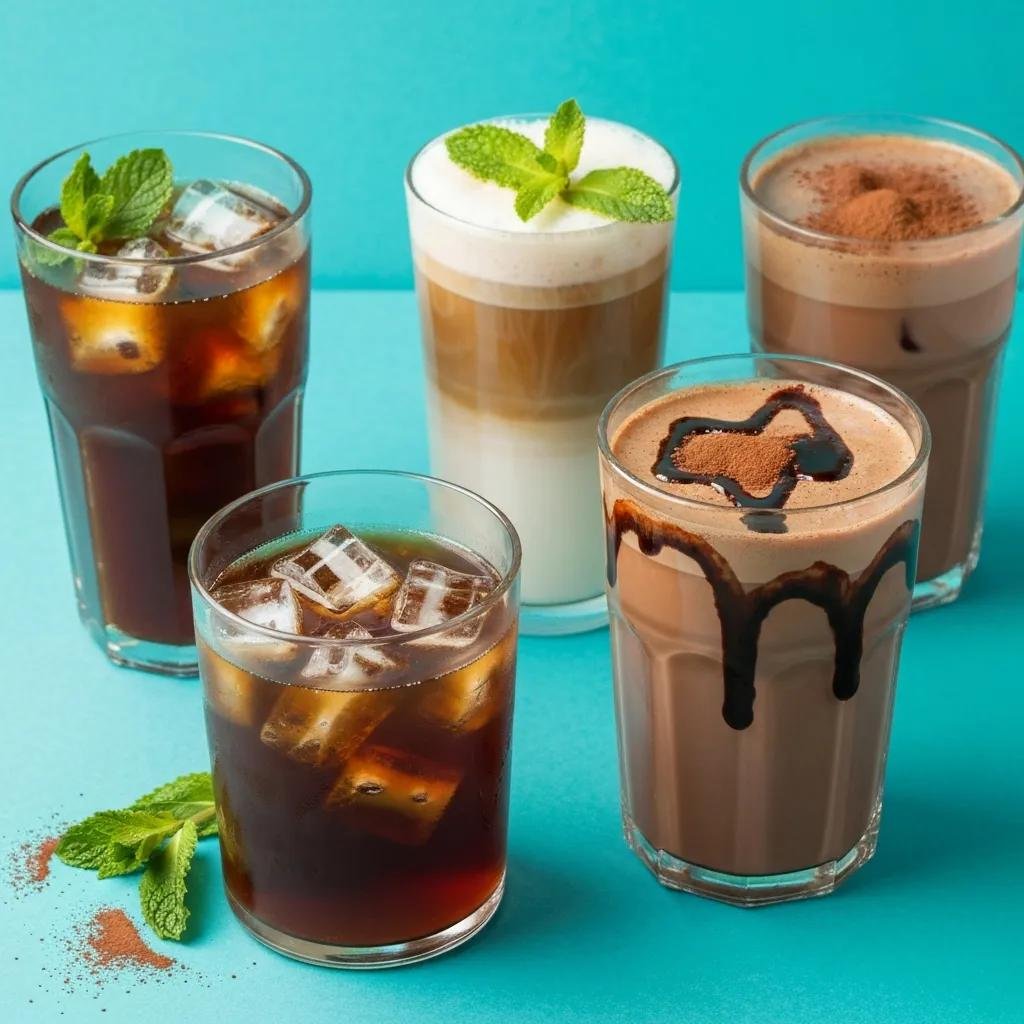
Cold brew concentrate is a flexible base for many drinks: dilute with water or milk for a classic iced coffee, mix with milk and sweetener for a cold brew latte, or add chocolate and spices for seasonal variations. Adjust dilution to taste — common starting points are 1:1 for a bold iced coffee or 1:2–1:3 for a milder serve — and try different dairy or plant milks to complement your bean. Simple syrup, vanilla, cinnamon, or a splash of citrus can highlight tasting notes in the coffee. Below are quick, repeatable recipes for both concentrate and ready-to-drink approaches.
- Classic Iced Cold Brew: Mix equal parts concentrate and cold water, pour over ice, and stir.
- Cold Brew Latte: Combine 1 part concentrate with 1–2 parts milk (dairy or plant) over ice; sweeten to taste.
- Mocha Cold Brew: Stir 1 tbsp chocolate syrup into a 1:1 concentrate-water mix, pour over ice, and serve.
What Are Popular Cold Brew Serving Suggestions and Recipes?
Popular options include classic dilution over ice, creamy lattes with milk or oat milk, and dessert-style drinks with syrups or spices — each brings out different bean qualities. For a smooth, café-style latte, use a 1:1 concentrate-to-milk ratio with chilled milk and a touch of vanilla syrup. For a lighter refresher, dilute 1:2 concentrate to water and add citrus or tonic for sparkle. Seasonal twists — cinnamon and cardamom in fall, or orange zest in summer — pair naturally with medium roasts. These templates help you match the drink to the moment while keeping control over caffeine and sweetness.
How Does Cold Brew Concentrate Differ from Ready-to-Drink Cold Brew?
Concentrate is a strong extract meant to be diluted and used in many recipes; ready-to-drink is brewed to serving strength and needs no dilution. Concentrate stores more efficiently and gives you flexibility for lattes and cocktails; ready-to-drink is grab-and-go convenient but takes up more fridge space and is less adaptable. At home, choose concentrate when you want batch efficiency and recipe control; pick ready-to-drink when convenience is your priority.
This article aims to introduce cold brew methods and point home brewers toward further exploration of ratios, roast choice, and troubleshooting so you can expand your cold brew toolkit and refine the techniques shown here.
Frequently Asked Questions
Can I use any type of coffee bean for cold brew?
You can use almost any bean, but medium to medium-dark Arabica coffees are a reliable starting point. They tend to offer chocolatey, nutty notes that pair well with cold brewing. Lighter, fruit-forward beans are interesting but often yield a brighter, less traditional cold-brew profile. Freshness matters: whole beans kept in an opaque, airtight container and ground just before brewing will give you the best results. Try different beans to discover the profiles you prefer.
How can I make my cold brew less bitter?
Bitterness usually means over-extraction. Try a coarser grind (fewer fines), shorten the steep time (aim for 12–18 hours for a balanced cup), or reduce the coffee dose or dilution at serving. If you still get bitterness, coarsen the grind rather than just diluting — that helps avoid pulling the bitter compounds in the first place. Track your adjustments in a brewing log so you can repeat what works.
What is the best way to sweeten cold brew coffee?
Simple syrup is the easiest cold-friendly sweetener because it dissolves in cold liquids. Flavored syrups, honey, and agave also work, as do small amounts of vanilla extract or a pinch of cinnamon for natural flavor. Taste as you go and add sweetener gradually so you don’t overpower the coffee’s natural notes.
How long does cold brew concentrate last in the fridge?
When stored in an airtight, opaque container and refrigerated, cold brew concentrate generally keeps for 7–14 days. Exact shelf life depends on dilution, handling, and how clean your storage containers are. Label jars with the brew date to track freshness. For longer storage, freeze small portions in ice-cube trays.
Can I use cold brew coffee in recipes?
Absolutely. Cold brew is a versatile ingredient for drinks and desserts: mix it with milk for lattes, blend it with ice and sweeteners for refreshers, or fold it into ice cream, cakes, and other recipes that call for coffee. Its smooth, low-acid profile plays well in both sweet and savory applications.
What are some common mistakes to avoid when making cold brew?
Common pitfalls include the wrong grind size, incorrect coffee-to-water ratios, and inconsistent steep times. Too fine a grind leads to bitterness and clogging filters; too coarse can make weak batches. Not measuring ingredients precisely will yield varying results; a digital scale fixes that. And don’t use hot water — cold-brewing relies on low-temperature extraction. Follow the guidelines here and keep notes to improve with each batch.
Conclusion
Brewing cold brew at home gives you a smooth, low-acid coffee you can tailor to your taste. With the right ratios, grind, and steeping time — plus two-stage filtration and proper storage — you can reach café-quality results without the cost of store-bought options. Play with beans, ratios, and serving styles until you find your go-to cup. Start your cold brew practice today and use these tips as a foundation for more experiments and recipes.