

Spring Cocktail Recipes to Try: Easy, Seasonal Drinks for Bright, Breezy Gatherings
Spring is the season for lighter flavors, fragrant herbs, and fresh fruit in the glass. This guide helps home bartenders choose spirits that play well with spring ingredients and build approachable recipes — think spritzes, fizzes, and low‑ABV punches that highlight floral and herbaceous notes. If you want drinks that are easy to batch, look great, and stay balanced between sweetness and acid, you’ll find step‑by‑step recipes, prep tips for syrups and infusions, and pairing ideas here. You’ll learn which spirits best support spring flavors, how to make syrups and infusions from rhubarb, elderflower, and lavender, plus quick presentation tricks to lift every pour. Below: spirit profiles, seasonal ingredient uses, crowd‑friendly formats with recipe cards, signature floral and herbaceous drinks, customization ideas, and a short FAQ to help you mix with confidence.
What Are the Best Spirits for Refreshing Spring Cocktails?
A spring cocktail base should let bright citrus, floral cordials, and fresh herbs sing without drowning them out. Gin, vodka, rum, and tequila each bring something useful. Gin adds botanical lift that pairs beautifully with elderflower, lavender, and mint; vodka’s neutrality lets fruit purées and subtle syrups take center stage. Light rum brings a soft sweetness and tropical hints that work well with strawberry and rhubarb, while blanco tequila gives citrusy brightness and an herbal edge with basil or cilantro. Picking the right spirit narrows your choices and makes balance easier — starting with gin examples is a good practical step.
Different spirits shine in spring drinks:
| Spirit | Flavor Profile / Typical Mixers | Best Spring Uses |
|---|---|---|
| Gin | Botanical, juniper, citrus peel | Floral fizzes, gin rickeys, elderflower spritzes |
| Vodka | Clean, neutral | Fruit‑forward purées, clear spritzes, low‑ABV blends |
| Rum (light) | Sugary, tropical, vanilla hints | Strawberry & rhubarb punches, herbaceous swizzles |
| Tequila (blanco) | Bright, citrus, green pepper | Citrus‑forward spritzes, herb‑infused Palomas |
This quick comparison explains why gin and lighter bases often lead spring menus and how common mixers and liqueurs pair with each spirit. Next, we look at gin cocktails that capture spring’s character.
Which Gin Cocktails Capture the Essence of Spring?

Gin shines in spring because its botanicals lift floral syrups and bright citrus without masking them. A classic example: a botanical‑forward gin fizz — 1.5 oz gin, 0.75 oz lemon, 0.5 oz elderflower cordial, 0.5 oz simple syrup, egg white (optional), topped with sparkling water — delivers bright acidity, floral sweetness, and a silky texture. For spring pours, choose a mid‑proof, florally inclined gin (think citrus or light florals rather than heavy juniper) to keep the drink lively. Finish with a lemon twist and a tiny edible flower to add aroma and pretty presentation. Below we’ll compare how other spirits play seasonal roles.
How Do Vodka, Rum, and Tequila Enhance Spring Cocktail Flavors?
Vodka is a quiet partner — it highlights fruit and herb clarity without competing. Use it when ingredient purity is the point. Light rum lends soft sweetness and tropical notes that pair well with rhubarb or strawberry in smashes and punches, adding a rounded mouthfeel. Blanco tequila brings a citrusy backbone and a green, herbal affinity that suits basil or rosemary and lifts spritzes without muddling florals. Simple swaps — vodka for gin to mute botanicals, or rum for tequila when you want a sweeter base — make recipes flexible to whatever’s in your pantry or guests’ preferences.
Which Seasonal Ingredients Define Refreshing Spring Cocktails?
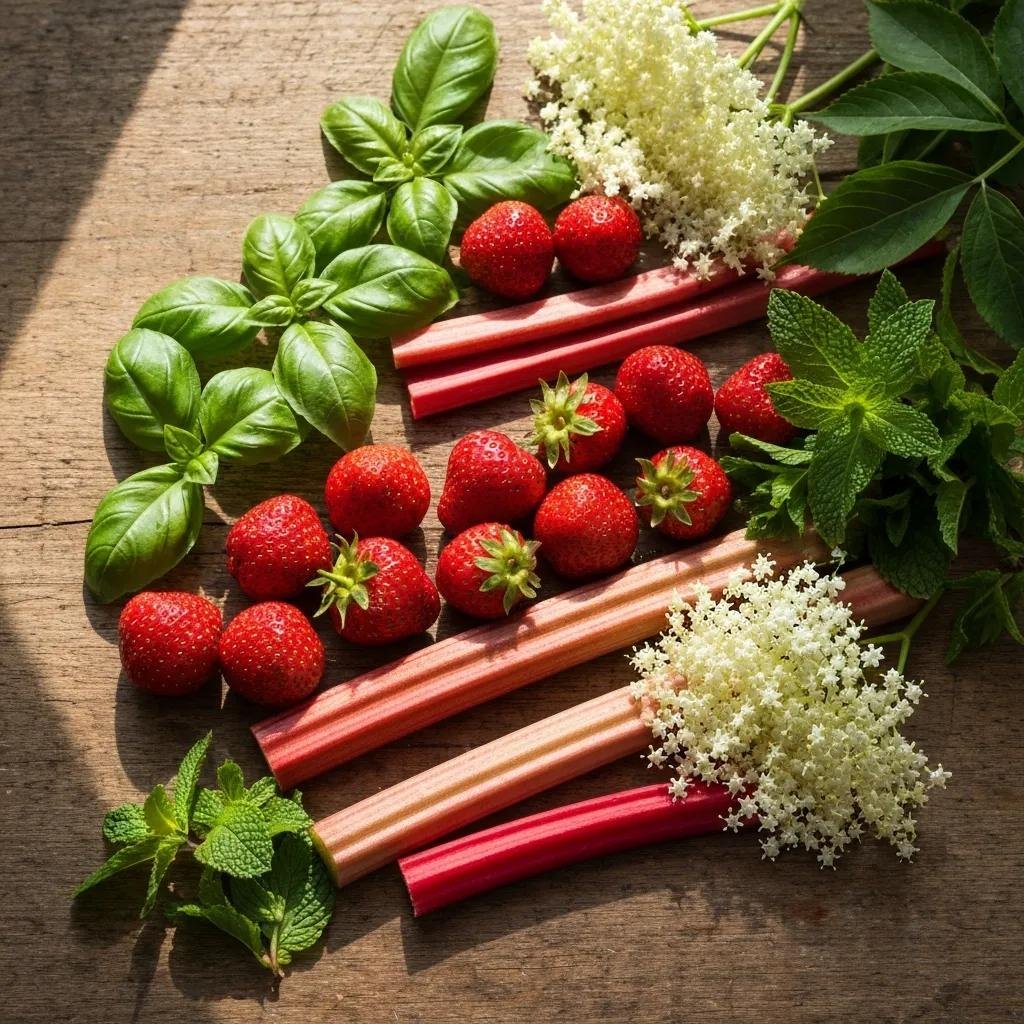
Seasonal ingredients give spring cocktails their aroma, color, and acid‑sweet balance. Elderflower, lavender, rose, rhubarb, strawberry, citrus, and fresh herbs each play a distinct role: florals add perfume and gentle sweetness, fruit brings bright acidity and texture via purées or syrups, and herbs add a green, savory counterpoint that tames sweetness. Learning how to prepare cordials, syrups, infusions, and muddles preserves seasonal character and makes scaling easier. The table below maps seasonality to prep tips and practical uses you’ll see in the recipes that follow.
| Ingredient | Seasonality / Flavor Contribution | Preparation Tip & Usage Examples |
|---|---|---|
| Elderflower | Late spring; delicate floral | Use cordial or liqueur; 15–20 ml in spritzes or fizzes |
| Lavender | Mid‑spring; aromatic, slightly bitter | Make lavender simple syrup (1:1 sugar:water); use sparingly |
| Rhubarb | Early–mid spring; tart, vegetal | Cook into syrup with sugar; 1:1 ratio for cocktails |
| Strawberry | Spring; sweet‑tart, fruity | Muddle or purée fresh; add lemon for balance |
| Citrus (lemon, lime) | Year‑round but bright in spring menus | Fresh juice for acid; zest for garnish |
| Basil / Mint / Rosemary | Peak in late spring | Bruise or infuse into syrups; add sprigs for aroma |
This ingredient guide helps you pick the best form — cordial, syrup, purée — and control intensity. Next, we’ll cover how elderflower, lavender, and rose are used in floral cocktails.
How floral botanicals are used:
- Use gentle infusion methods to capture aroma without producing metallic or soapy notes.
- Cordials and liqueurs concentrate floral character in measured doses.
- Syrups give precise control and dissolve easily into cold cocktails.
Those approaches let you add floral nuance without overpowering a drink. The next section gives concrete floral preparations.
How Are Elderflower, Lavender, and Rose Used in Floral Spring Cocktails?
Elderflower usually appears as a cordial or liqueur and offers a honeyed, aromatic lift that mixes cleanly with gin or sparkling wine — aim for 15–25 ml per drink. Lavender gives a soothing, resinous floral note best delivered via a light lavender simple syrup (about 2–3 sprigs per 250 ml syrup); use it sparingly because the flavor concentrates quickly. Rose appears as rosewater or rose syrup and lends a delicate perfume — a few drops of rosewater or 10–15 ml of rose syrup is enough to avoid soapy off‑notes. These measured preparations let you repeat recipes reliably and scale for parties.
What Fruity Flavors Like Rhubarb, Strawberry, and Citrus Brighten Spring Drinks?
Rhubarb’s tart edge becomes cocktail‑friendly after cooking it down with sugar into a syrup — simmer chopped rhubarb with equal parts sugar and water for 10–15 minutes, strain, and cool before using. Strawberry can be muddled or puréed; blend with a bit of lemon juice to keep brightness and slow oxidation, and use refrigerated within 48 hours. Citrus (lemon, lime, grapefruit) supplies essential acid and aromatics; use a simple 2:1 acid‑to‑sweetness test to balance drinks when fruit sweetness varies. These fruit techniques build the structure for fizzes, smashes, and spritzes later in the guide.
How Do You Make Easy and Crowd-Pleasing Spring Cocktails at Home?
Keep it simple: short ingredient lists, quick prep, and scalable ratios. Spritzes, fizzes, and low‑ABV punches are perfect for gatherings. Spritzes pair an aperitif or cordial with sparkling wine or soda for fast assembly; fizzes rely on shaken citrus (and an optional egg white) for foam; smashes and punches scale easily and wear fresh herb accents well. For entertaining, pick one format to streamline equipment and garnishes, and offer a mocktail or low‑ABV option so everyone has something to sip. The table below compares formats, prep time, and crowd‑serving tips to help you choose.
| Format | Prep Time | Key Ingredients | Crowd-Serving Tips |
|---|---|---|---|
| Spritz | 3–5 minutes per serve | Aperitif + cordial + sparkling wine | Pre‑batch aperitif & cordial; add ice and sparkling at service |
| Fizz | 5–8 minutes per serve | Spirit + citrus + egg white(optional) + soda | Pre‑squeeze citrus; shake per glass or pre‑shake without soda |
| Low-ABV Punch | 10–20 minutes to batch | Low spirit ratio, fruit juice, soda | Make in pitcher; keep chilled and garnish before serving |
This comparison helps you decide whether to mix per serve or batch ahead. Next: three quick mini recipes that work solo or scaled up.
What Are Quick Recipes for Spring Fizzes, Spritzes, and Low-ABV Cocktails?
Three easy, quick recipes you can scale: Elderflower Gin Spritz — 1.5 oz gin, 0.5 oz elderflower cordial, 0.5 oz lemon, top with sparkling wine; build over ice and garnish with lemon and mint. Rhubarb Vodka Fizz — 1.5 oz vodka, 0.75 oz rhubarb syrup, 0.75 oz lime; shake, top with soda, and serve over crushed ice. Low‑ABV Strawberry Basil Punch — 2 cups chilled white tea, 1 cup strawberry purée, 0.5 cup aperitif or a splash of vermouth, top with soda for a lighter pitcher. These mini recipe cards give practical ratios for quick mixing; the next section covers garnishes and presentation to elevate each drink.
Which Garnishes and Presentation Tips Elevate Spring Cocktail Experiences?
Garnishes should echo the drink’s flavors and add aroma — lemon twists for citrus, basil or mint for herbaceous cocktails, and tiny edible flowers for floral drinks. Twist thin citrus peel over the glass to release oils and place it on the rim, and choose ice by service style: large cubes for spirit‑forward pours, crushed ice for punches and fizzes. Use culinary‑grade edible flowers and wash herbs before use to avoid bitterness or dilution. Simple staging — matching glassware, consistent garnish style, and chilled glasses — makes straightforward recipes feel elevated.
Want more recipes? The site drinkattitude.com has a Cocktails category full of seasonal recipes, method notes, and ingredient guides. It’s a handy resource for home bartenders who want clear recipe cards, variations, and ideas for entertaining.
What Are Popular Floral and Herbaceous Spring Cocktail Recipes?
Floral and herbaceous drinks are spring favorites because they pair fragrant aromatics with bright, palate‑cleansing acid. Think elderflower gin fizz, lavender lemon drop, mint julep riffs, and basil‑strawberry smashes. These recipes lean on careful infusion timing, precise syrup ratios, and gentle extraction to avoid vegetal or medicinal flavors from herbs and flowers. Making them at home means timing infusions correctly, using consistent syrup ratios, and choosing methods — muddling or infusing — based on texture and potency. Below are two full recipes and herb‑infusion techniques that are easy to scale.
How to Prepare Elderflower Gin Fizz and Lavender Lemon Drop Cocktails?
Elderflower Gin Fizz (single serve): 1.5 oz botanical gin, 0.75 oz fresh lemon juice, 0.5 oz elderflower cordial, 0.25 oz simple syrup, egg white (optional). Dry‑shake hard, then shake with ice; double strain into a chilled Collins glass and top with soda. Lavender Lemon Drop (single serve): 1.5 oz vodka or gin, 0.75 oz lavender syrup (light), 0.75 oz lemon juice, 0.25 oz triple sec (optional). Shake well and fine strain into a chilled coupe with a sugared rim. Adjust syrups to taste and always use culinary‑grade lavender to avoid bitter or soapy notes — these steps show how floral accents change a drink’s aroma and strength.
What Are the Best Herb-Infused Cocktails Using Mint, Basil, and Rosemary?
Mint is best when lightly crushed to release volatile oils without shredding — ideal for juleps and mojitos; add mint at the end of a shake or slap a sprig against your palm to wake the aroma. Basil pairs beautifully with strawberry or citrus — make a basil simple syrup by steeping leaves in hot syrup for 10–15 minutes, cool, and strain for a fresh, peppery sweetness. Rosemary responds well to warm infusions or a smoked sprig; steep briefly in warm syrup to pull savory, piney notes and use sparingly in cocktails that benefit from a savory lift. These infusion techniques make herb‑forward recipes consistent and repeatable.
Herb infusion quick list:
- Use warm infusion for woody herbs like rosemary and cool infusion for tender herbs like basil.
- Strain syrups through fine mesh for a clear finished cocktail.
- Label syrups with the date; most homemade syrups stay fresh 7–10 days refrigerated.
Those basics let you experiment confidently with herbaceous flavors and riffs.
How Can You Customize and Pair Spring Cocktails with Seasonal Foods?
Customization is about controlled swaps that preserve balance — acid, sweet, and alcohol — while introducing seasonal produce. Keep acid:sweet balance when swapping fruits (add citrus if you switch to a less tart fruit), match herb intensity to the dish, and consider low‑ABV formats with heavier food. Pairing favors contrast and complement: a citrus spritz cuts through creamy cheeses, a herbaceous gin mirrors grilled veggies, and a lightly sweet punch pairs with delicate seafood. Below are substitution examples and pairing ideas to illustrate these rules.
What Variations Can You Try for Classic Spring Cocktails?
Use simple swaps to tailor classics to what you have: swap elderflower for a light honey syrup in a gin fizz for more depth, replace strawberry purée with rhubarb syrup for a tarter profile, or add a splash of vermouth to lower ABV and add botanical complexity. When substituting, keep total sweetener volume similar and tweak acid in 5–10 ml steps until balance returns. Changing the garnish is an easy way to signal a new direction — rosemary for savory twists or candied citrus for sweeter versions. These guidelines help you riff while keeping drinks balanced.
List of substitution principles:
- Maintain Sweet Volume: Replace syrups with equal volume, then refine acidity.
- Adjust Acid: Add citrus in small increments to correct tartness after swaps.
- Match Aromatics: Choose garnishes that reflect new flavor directions.
Apply these rules and each variation will stay balanced and guest‑friendly.
For more seasonal recipe clusters and cross‑category ideas, explore the site’s seasonal pages and curated recipe collections — handy when you want restaurant‑level inspiration at home.
Which Spring Dishes Complement Refreshing Cocktails Best?
Pair spring cocktails with food that either echoes or contrasts their profile: citrusy spritzes work with grilled seafood, herbaceous gin drinks pair with spring vegetable salads, and sweet‑fruit cocktails match soft cheeses and fruit desserts. Texture matters — effervescent drinks cleanse the palate between richer bites, while low‑ABV punches let guests sip steadily without overpowering delicate flavors. Serve lighter spritzes as aperitifs and save herb‑forward cocktails for after starters to complement mains. These rules help you craft a cohesive menu for garden parties, brunches, or spring dinners.
Pairing quick list:
- Match intensity: light drinks with light dishes; bold drinks with bold dishes.
- Contrast acidity: use acidic cocktails to cut through fatty or creamy foods.
- Echo ingredients: mirror herbs or fruits between drink and dish for harmony.
Use these principles to build a straightforward, seasonally tuned menu.
What Are Common FAQs About Refreshing Spring Cocktail Recipes?
Home bartenders often ask about staple ingredients, substitution flexibility, storage, and batching strategies. Clear answers reduce trial and error and help you get consistent results. Knowing which staples to keep on hand and how to store syrups or purées speeds service and cuts waste. The FAQ below covers the most common questions and offers a simple template for a balanced spring cocktail from pantry basics.
What Are the Most Popular Spring Cocktail Ingredients?
Common spring staples include floral elements (elderflower, lavender), tart fruits (rhubarb, lemon, lime), soft berries (strawberry), fresh herbs (mint, basil, rosemary), and sparkling mixers (prosecco, soda water). Mixers and liqueurs like elderflower cordial, light aperitifs, and vermouth add complexity without heavy alcohol. A small shelf of cordials and syrups makes assembling seasonal drinks quick and reliable.
How Do You Make a Refreshing Spring Cocktail Step-by-Step?
Build a balanced spring cocktail with a simple template: pick a spirit that complements your seasonal ingredient, add a fresh element (juice, purée, or cordial), introduce a sweetener calibrated to acidity, dilute with soda or sparkling wine for effervescence, and finish with a garnish that signals the drink’s profile. A handy ratio is 1.5–2 parts spirit, 0.5–1 part acid, 0.5–1 part sweetener, topped with sparkling or soda as desired — then adjust to taste and batch size. Taste as you go and make small tweaks so the balance holds across batches. This framework gives structure while leaving room to personalize.
Before you go: explore our curated cocktail resources and ingredient guides for more techniques and seasonal inspiration — they’re great next steps for building your go‑to spring menu.
Frequently Asked Questions
What are some tips for hosting a spring cocktail party?
Keep things simple and seasonal. Pick a few signature cocktails that showcase fresh flavors like elderflower or strawberry, and consider batching one or two options to save time. Offer a non‑alcoholic mocktail so everyone’s included, set up outdoor seating with light décor, and have plenty of ice and garnishes on hand to make each drink feel special.
How can I make my cocktails more visually appealing?
Garnishes and glassware make a big difference. Use colorful fruit, edible flowers, or fresh herbs for pops of color. Try interesting glassware — vintage coupes or small tumblers — for charm, and layer ingredients carefully to create visual depth (pour slowly for a gradient). Serve well‑chilled with clear ice for a clean, elegant look.
What are some common mistakes to avoid when making spring cocktails?
Avoid over‑sweetening and losing balance. Taste as you mix and adjust sweetness to match acidity. Steer clear of stale or low‑quality mixers, and be careful not to overuse herbs — too much can overpower the drink. Small corrections as you go will keep flavors harmonious.
How can I incorporate seasonal ingredients into my cocktails?
Use fresh spring produce: muddle or purée strawberries, cook rhubarb into syrup, and squeeze fresh citrus. Infuse syrups with herbs like mint or basil, and add floral notes with elderflower or lavender cordials. Aim for a balanced sweet‑sour‑herb profile so the seasonal ingredient shines.
What are some low-ABV options for spring cocktails?
Spritzes with sparkling wine and a flavored liqueur, fizzes with a splash of spirit, and fruit‑forward punches using herbal tea or soda as a base all make great low‑ABV choices. They’re lighter, encourage sipping, and keep guests refreshed throughout the event.
How can I customize cocktails to suit different tastes?
Let guests tweak a base recipe: offer spirit choices (gin or vodka), extra citrus or syrup on the side, or swap purées for syrups. Small adjustments in sweetness and acidity let everyone find a balance they like without changing the core recipe.
Conclusion
Spring cocktails celebrate fresh ingredients, bright flavors, and easy preparation — perfect for gatherings. With the right spirits, a few simple syrups and infusions, and attention to balance, home bartenders can make memorable drinks that impress. Explore our recipes and tips, start mixing, and enjoy the season in every sip.