
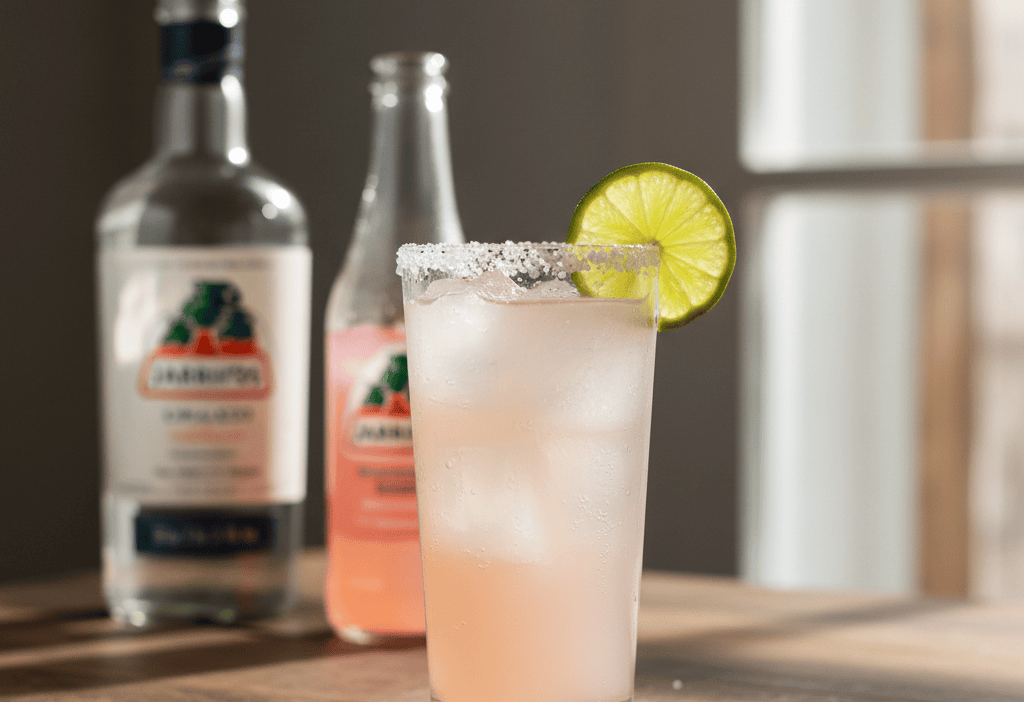
To make a copycat Cutwater Tequila Paloma, combine 2 ounces (60 ml) of blanco tequila with ½ ounce (15 ml) of fresh lime juice in a highball glass filled with ice, then top with 4-5 ounces (120-150 ml) of grapefruit soda and garnish with a lime wheel and a lightly salted rim—that’s the whole drink. No fresh grapefruit? A splash of 100% grapefruit juice alongside the soda gets you about 90% of the way there.
Cutwater’s ready-to-drink Tequila Paloma is a fantastic grab-and-go cocktail, but making it yourself is a game of pennies versus dollars. A single 12-ounce can retails for around $4.00 (or more, depending on your location), while the core ingredients for a home version break down to roughly $0.80 per drink. That’s a saving of over 75% for a cocktail that’s arguably fresher, more customizable, and just as satisfying to sip.
The beauty of this copycat lies in its simplicity and authenticity. By focusing on a few quality components and understanding the balance, you can consistently produce a Paloma that rivals—and often surpasses—the canned original. It’s the perfect project for anyone who loves the convenience of a canned cocktail but craves the craft and economy of a homemade one.
| Taste Profile | A refreshing, bittersweet mix of blanco tequila, fresh grapefruit, and a hint of lime, with a lightly salted rim. |
| Cost at Home | Drink Attitude’s copycat version costs about $0.80 per serving versus $4.00 for a store-bought Cutwater can. |
| Total Time | This refreshing cocktail comes together in just 5 minutes, including prep and garnishing. |
| #1 Tip | Using fresh lime juice and a quality grapefruit soda like Jarritos or Squirt is non-negotiable for the best flavor. |
| Key Equipment | All you need is a jigger for measuring, a citrus juicer, and a highball glass. |
What is a Paloma — and what does it taste like?
The Paloma (Spanish for “dove”) is arguably Mexico’s most popular tequila-based cocktail, even more so than the Margarita in its home country. Its authentic preparation is famously simple: tequila, lime, and grapefruit soda (refresco de toronja) served over ice in a salt-rimmed glass. The drink’s flavor profile is a masterclass in refreshment: the earthy, peppery notes of blanco tequila are brightened by tart lime and softened by the bittersweet, slightly tangy character of grapefruit. The salted rim provides a crucial savory counterpoint that enhances the citrus and makes each sip compelling. Cutwater Spirits’ canned version captures this essence in a convenient, portable format, streamlining the classic for modern consumers.
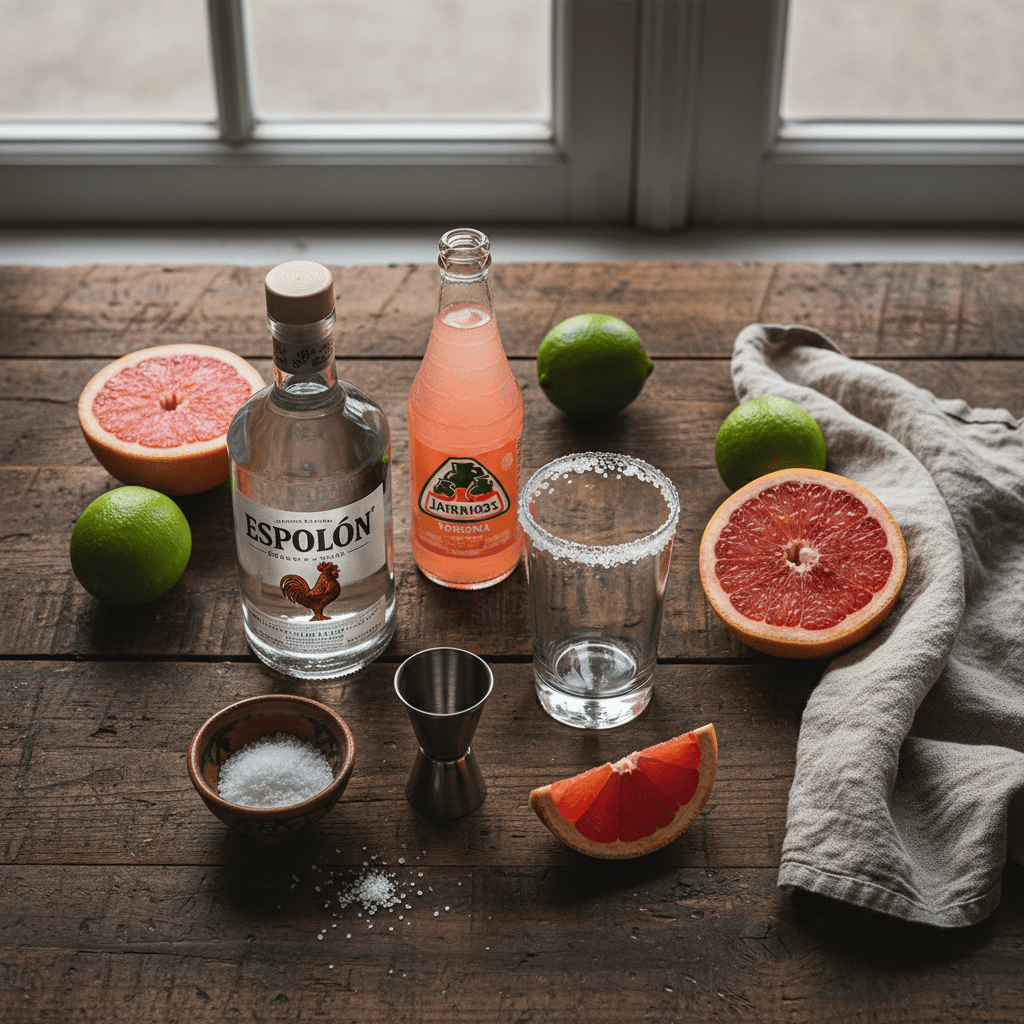
What ingredients do you need?
Authenticity hinges on ingredient quality. Here’s what you need and why each component matters.
- Blanco Tequila (2 oz / 60 ml): This unaged spirit is essential for its crisp, pure agave flavor. It provides the backbone without the oakiness of reposado or añejo. A good, affordable blanco like Espolòn, Olmeca Altos, or Cazadores works perfectly. Avoid “gold” tequilas, which are often mixtos with added color and sweeteners.
- Fresh Lime Juice (½ oz / 15 ml): Bottled lime juice cannot replicate the vibrant, sharp acidity of fresh juice. Roll your lime firmly on the counter before cutting and juicing to maximize yield. This is non-negotiable for a bright cocktail.
- Grapefruit Soda (4-5 oz / 120-150 ml): This is the signature ingredient. The best widely available options are Mexican sodas like Jarritos Toronja or Squirt. Jarritos offers a more natural, bittersweet grapefruit flavor, while Squirt is brighter and more citrus-forward. For a less sweet option, use Fever-Tree Sparkling Pink Grapefruit. Do not use diet or sugar-free versions, as they impart an artificial aftertaste.
- Optional Grapefruit Juice (½ oz / 15 ml): While not in every recipe, a small splash of 100% unsweetened grapefruit juice (like Lakewood or Simply) intensifies the fresh grapefruit flavor and adds a pleasant bitterness that more closely mimics the Cutwater can’s depth.
- Garnish & Rim: A lime wheel and a kosher salt or flaky sea salt rim are classic. For a more complex rim, mix three parts salt with one part Tajín chili-lime seasoning.
What equipment do you need?
You need almost no specialized bar tools to make an excellent Paloma. The method is forgiving, but your chosen approach affects the final texture and integration of flavors.
| Option | What it delivers | Best for |
|---|---|---|
| Build in Glass | Maximizes soda carbonation, fastest method, minimal cleanup. | Speed and simplicity; preserving lively bubbles. |
| Brief Stir in Glass | Better integration of lime and tequila before topping, still very fizzy. | A more uniformly mixed drink without losing effervescence. |
| Cocktail Shaker (without soda) | Chills and dilutes the tequila/lime base perfectly; top with soda after straining. | The most professional, chilled result; ideal for making multiple drinks. |
Essential tools include a jigger or small measuring cup for accuracy, a citrus juicer or reamer, and a highball or Collins glass (12-16 oz). A small plate for salting the rim is helpful. While not required, a cocktail shaker is my go-to for achieving optimal chill and dilution on the base spirit before adding the soda.
How do you make a Tequila Paloma?
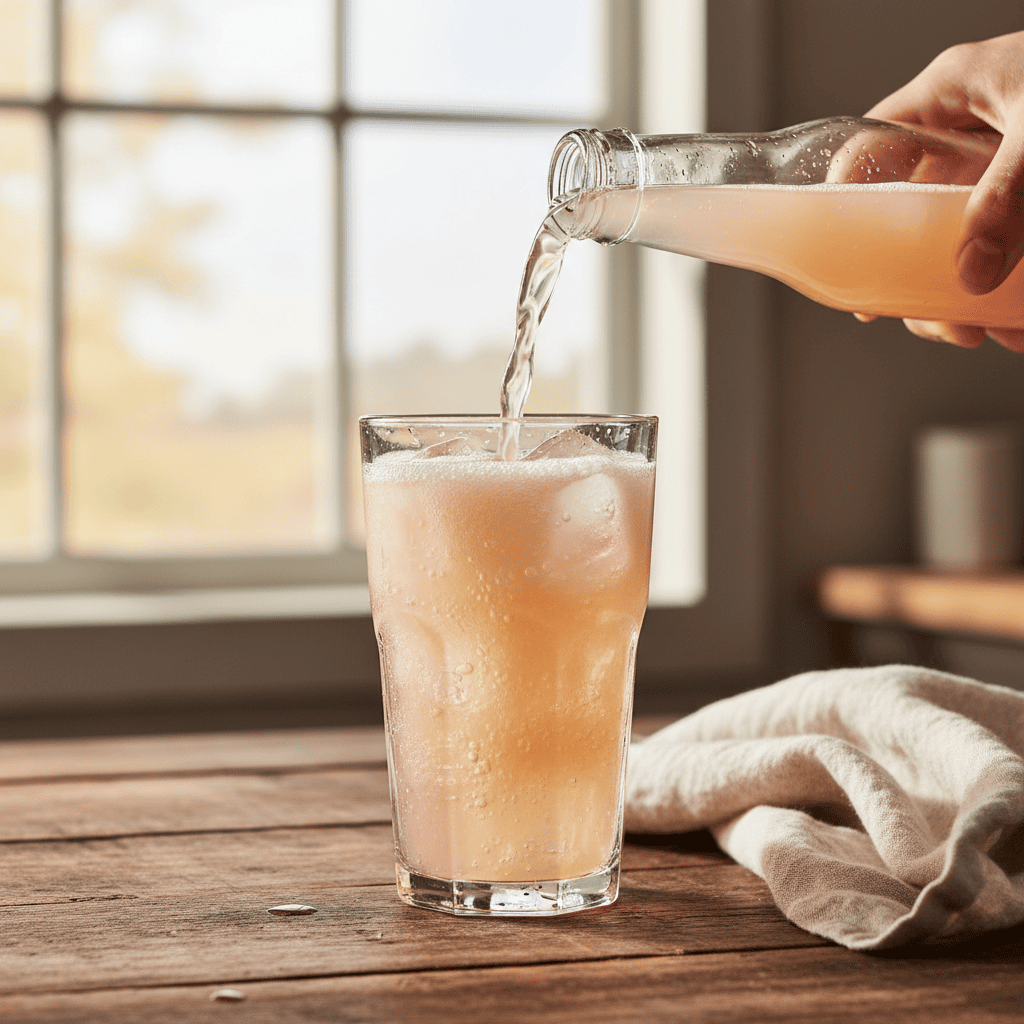
The process is brilliantly straightforward, emphasizing order and a light touch. Begin by preparing your glass: if desired, rim it with salt by rubbing a lime wedge around the outer edge and dipping it into a plate of salt. Fill the glass with fresh, large ice cubes—this slows dilution. Next, you’ll combine the core spirits. Pour the measured blanco tequila directly over the ice. Follow this with the fresh lime juice (and optional grapefruit juice, if using). At this stage, you have a choice: for maximum soda fizz, proceed directly to the next step. For better integration, give the tequila and juice a very brief, gentle stir with a bar spoon or long-handled teaspoon—just two or three turns to combine without agitating the ice too much. The final, crucial step is adding the grapefruit soda. Pour it gently down the side of the glass or over the back of a spoon to preserve its carbonation as it mixes with the spirits below. The drink will layer momentarily before naturally combining. Finish with a lime wheel garnish perched on the rim or dropped into the drink. The goal is a bubbly, effervescent cocktail where the tequila’s character shines through the bittersweet grapefruit, balanced by the lime’s sharpness and the rim’s savory hint.
What are the main variations?
- Spicy Paloma: Add 2-3 thin slices of fresh jalapeño to the glass before building, or use a chili-infused tequila.
- Herbal Twist: Gently clap a large sprig of fresh rosemary or cilantro between your hands to release its oils and use it as a fragrant garnish.
- Grapefruit-Centric: Substitute the lime juice with fresh grapefruit juice and use a grapefruit wedge for garnish for a deeper, singular citrus profile.
- Mezcal Paloma: Replace half or all of the blanco tequila with mezcal for a smoky, complex backbone that pairs beautifully with grapefruit.
- Reduced-Sugar: Use a splash of 100% grapefruit juice topped with plain club soda or sparkling water, sweetening to taste with a touch of agave syrup if needed.
Common mistakes — and how to fix them
- Mistake: Using poor-quality or artificial grapefruit soda. This makes the drink taste cloying and synthetic. Fix: Stick to authentic Mexican sodas like Jarritos Toronja or Squirt, or a premium mixer like Fever-Tree.
- Mistake: Skipping the fresh lime juice. Bottled juice lacks brightness and can taste metallic. Fix: Always juice fresh limes. One medium lime yields about 1 ounce of juice.
- Mistake>Over-stirring or shaking the entire drink with the soda. This flattens the carbonation instantly. Fix: If you want to chill-dilute the base, shake only the tequila and lime juice with ice, then strain over fresh ice and top with soda.
- Mistake: Using tiny, crushed ice that melts too fast. This overdilutes the drink in minutes. Fix: Use large, solid ice cubes or cubes made from filtered water. They melt slower, keeping your drink strong and cold longer.
- Mistake: Making the salt rim too thick or using iodized table salt. An overly salty rim is abrasive, and table salt can taste harsh. Fix: Use flaky sea salt or kosher salt for a gentler, cleaner salt flavor, and only coat the outer ¼-inch of the glass’s rim.
How does it compare to the Cutwater original?
In a side-by-side tasting, the homemade copycat and the Cutwater Tequila Paloma share a core DNA of tequila-forward refreshment with grapefruit bittersweetness. The Cutwater can is remarkably well-balanced for a ready-to-drink product, with a consistent flavor profile and convenient portability. The homemade version, however, offers a noticeably brighter top note from the fresh lime juice and a more vibrant, lively carbonation if served immediately. The mouthfeel can be crisper, and you have complete control over the sweet-tart balance and salt level.
The most compelling difference is cost. Let’s break down a single 12-ounce serving, which is the standard can size:
- Cutwater Canned Tequila Paloma: Retail price ~$4.00 (prices vary by state and retailer).
- Drink Attitude Homemade Copycat: Based on average national prices for mid-shelf ingredients: 2 oz Espolòn Blanco Tequila (~$0.65), ½ fresh lime (~$0.10), 5 oz Jarritos Grapefruit Soda (~$0.05). Total: approximately $0.80.
This concrete cost breakdown shows you save about $3.20 per drink by making it yourself. For a batch of four cocktails, that’s nearly $13 back in your pocket for roughly five minutes of active work. Drink Attitude’s copycat version proves that premium cocktail flavor doesn’t require a premium cocktail price.
How do you serve, store, and scale it?
Serve your Paloma immediately after making it to enjoy peak carbonation. The ideal serving temperature is ice-cold, straight from the glass. For a crowd, this drink is a perfect candidate for batching. To scale for a pitcher serving 8 people, combine 16 ounces (2 cups) of blanco tequila and 4 ounces (½ cup) of fresh lime juice in a large pitcher or beverage dispenser. Cover and refrigerate this base for up to 24 hours. Do not add the grapefruit soda until you’re ready to serve. When it’s time, fill individual salt-rimmed glasses with ice, pour in 2.5 ounces of the chilled base, and top each with 4-5 ounces of cold grapefruit soda. This method ensures every drink is as fizzy as the first. The tequila-lime base itself can be stored, covered, in the refrigerator for up to two days without any loss in quality. Never batch the complete drink with the soda included, as it will go completely flat. For a single-serving make-ahead option, you can pre-mix the tequila and lime juice in a small sealed jar and keep it chilled for a day; when ready, pour it over ice and add the soda. According to the USDA’s food safety guidelines, citrus juices are safe refrigerated for several days, but for the freshest flavor, 24 hours is the sweet spot.
| 1 | 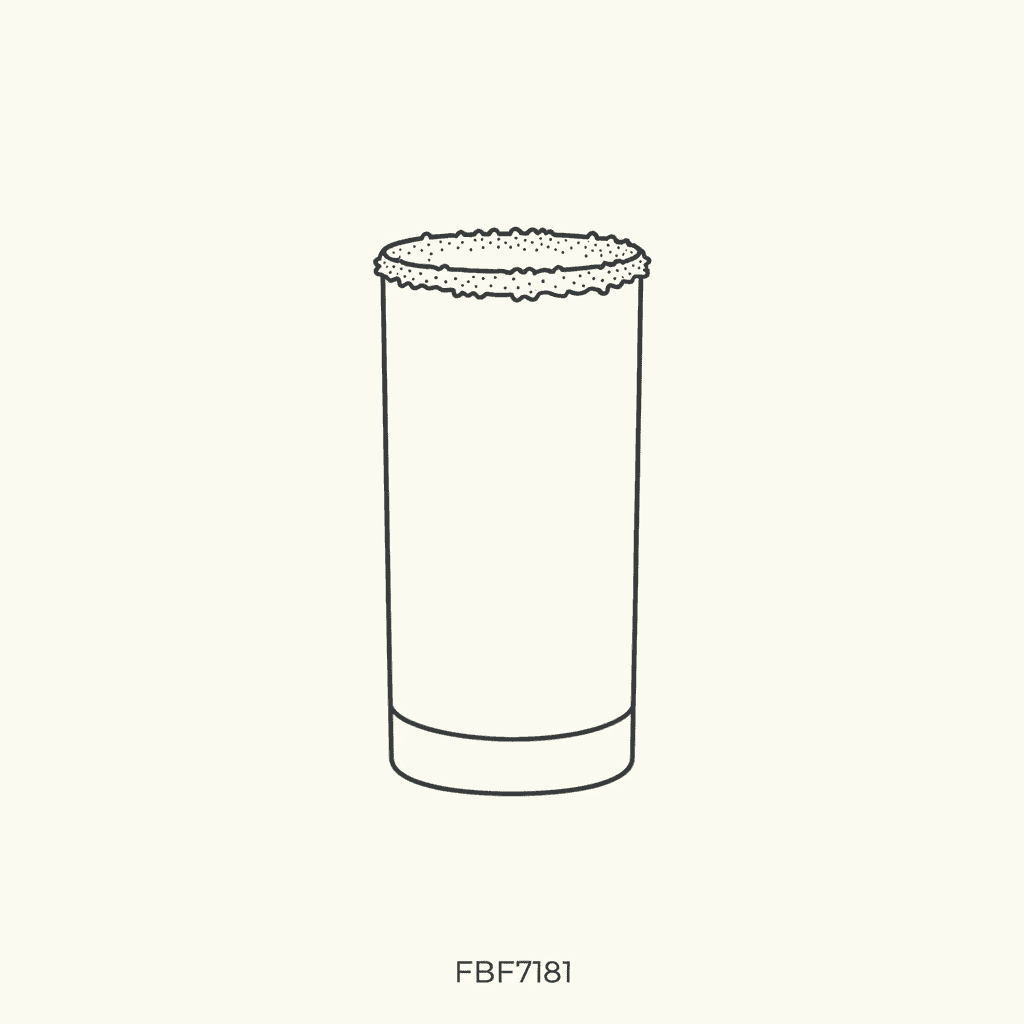 |
Salt the Rim |
| 2 |  |
Fill with Ice |
| 3 |  |
Add Tequila |
| 4 | 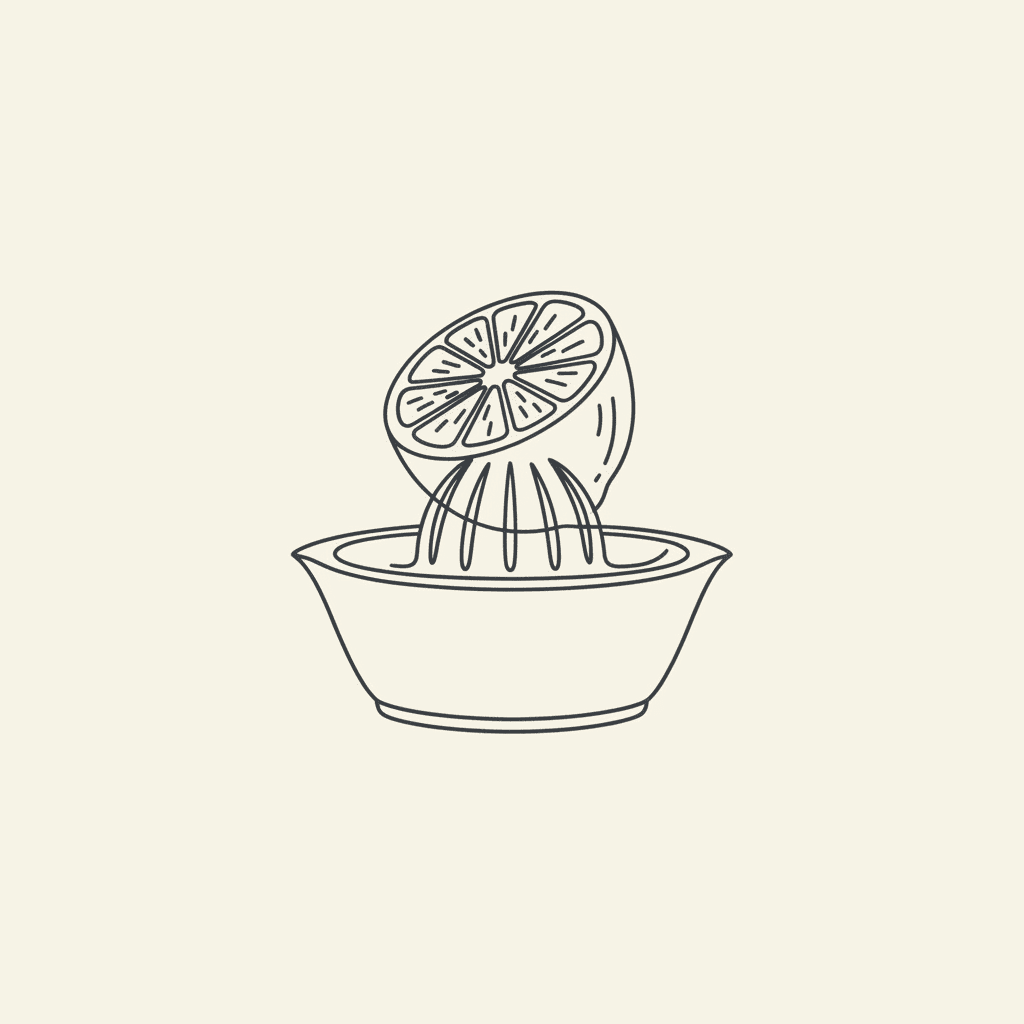 |
Add Citrus Juices |
| 5 |  |
Stir Briefly |
| 6 |  |
Top with Soda |
🥤 Copycat Cutwater Tequila Paloma
A fresh, bubbly, and bittersweet tequila cocktail you can make at home in minutes.
Prep: 5 min •
Total: 5 min •
Serves: 1 drink • ~210 kcal
Ingredients
- Lime wedge and kosher salt (for rim, optional)
- 2 oz (60 ml) blanco tequila (e.g., Espolòn, Olmeca Altos)
- ½ oz (15 ml) fresh lime juice (from about ½ a lime)
- ½ oz (15 ml) 100% grapefruit juice (optional, for depth)
- 4-5 oz (120-150 ml) grapefruit soda (e.g., Jarritos Toronja or Squirt)
- Ice
- Lime wheel (for garnish)
Instructions
- If desired, prepare the salt rim: Rub the lime wedge around the outer rim of a highball glass. Dip the moistened rim into a small plate of kosher salt to coat evenly. Set aside.
- Fill the prepared glass with fresh ice cubes, filling it to about ¾ full.
- Pour the 2 ounces of blanco tequila over the ice.
- Add the ½ ounce of fresh lime juice (and the optional ½ ounce of grapefruit juice, if using) to the glass.
- Give the mixture a very brief, gentle stir (2-3 turns) with a bar spoon to integrate the liquids.
- Top the glass gently with 4-5 ounces of chilled grapefruit soda, pouring it slowly down the side of the glass to preserve carbonation.
- Garnish with a lime wheel placed on the rim or floated in the drink. Serve immediately.
Frequently Asked Questions
What’s the best tequila for a Paloma?
A 100% agave blanco (silver) tequila is essential. Affordable, high-quality options include Espolòn, Olmeca Altos, and Cazadores Blanco. Their crisp, peppery agave flavor stands up perfectly to the grapefruit and lime.
Can I make a non-alcoholic (mocktail) version?
Absolutely. Omit the tequila and increase the fresh lime and optional grapefruit juice slightly. Top with grapefruit soda as usual. A pinch of salt directly in the drink can help mimic the complexity the tequila provides.
How long does a homemade Paloma stay fizzy?
Served over ice, it will remain pleasantly effervescent for about 15-20 minutes. For the fizziest experience, chill all ingredients before mixing and drink it soon after preparation.
Is Squirt or Jarritos better for a Paloma?
Both are excellent. Jarritos Toronja has a more natural, bittersweet grapefruit flavor. Squirt is brighter, more citrus-forward, and slightly less sweet. Try both to see which profile you prefer; it’s the key flavor driver.
Can I batch this recipe for a party?
Yes, but batch only the tequila and lime juice base. Combine them in a pitcher and refrigerate for up to a day. Serve by pouring 2.5 oz of the base over ice in individual glasses and topping each with 4-5 oz of cold grapefruit soda to preserve the fizz.
Why is my Paloma too sweet or too bitter?
Sweetness usually comes from the soda—try a less sweet brand like Fever-Tree or use a splash of juice with plain soda water. Bitterness can come from too much pith in the lime juice or overdoing the grapefruit juice; ensure you’re juicing carefully and adjust the ratio to your taste.
What’s the authentic way to make a Paloma in Mexico?
The most common method is incredibly simple: pour a shot of tequila into a salt-rimmed glass with ice, squeeze in a lime wedge, and top with grapefruit soda (typically Squirt or a local brand). The simplicity highlights quality ingredients.
How does the Cutwater can achieve its flavor without fresh juice?
As detailed on the <a href=”https://www.cutwaterspirits.com/” rel=”noopener”>Cutwater Spirits official site</a>, their process involves using natural flavors and citric acid to replicate a consistent, shelf-stable profile. The homemade version’s advantage is the immediacy of fresh citrus.