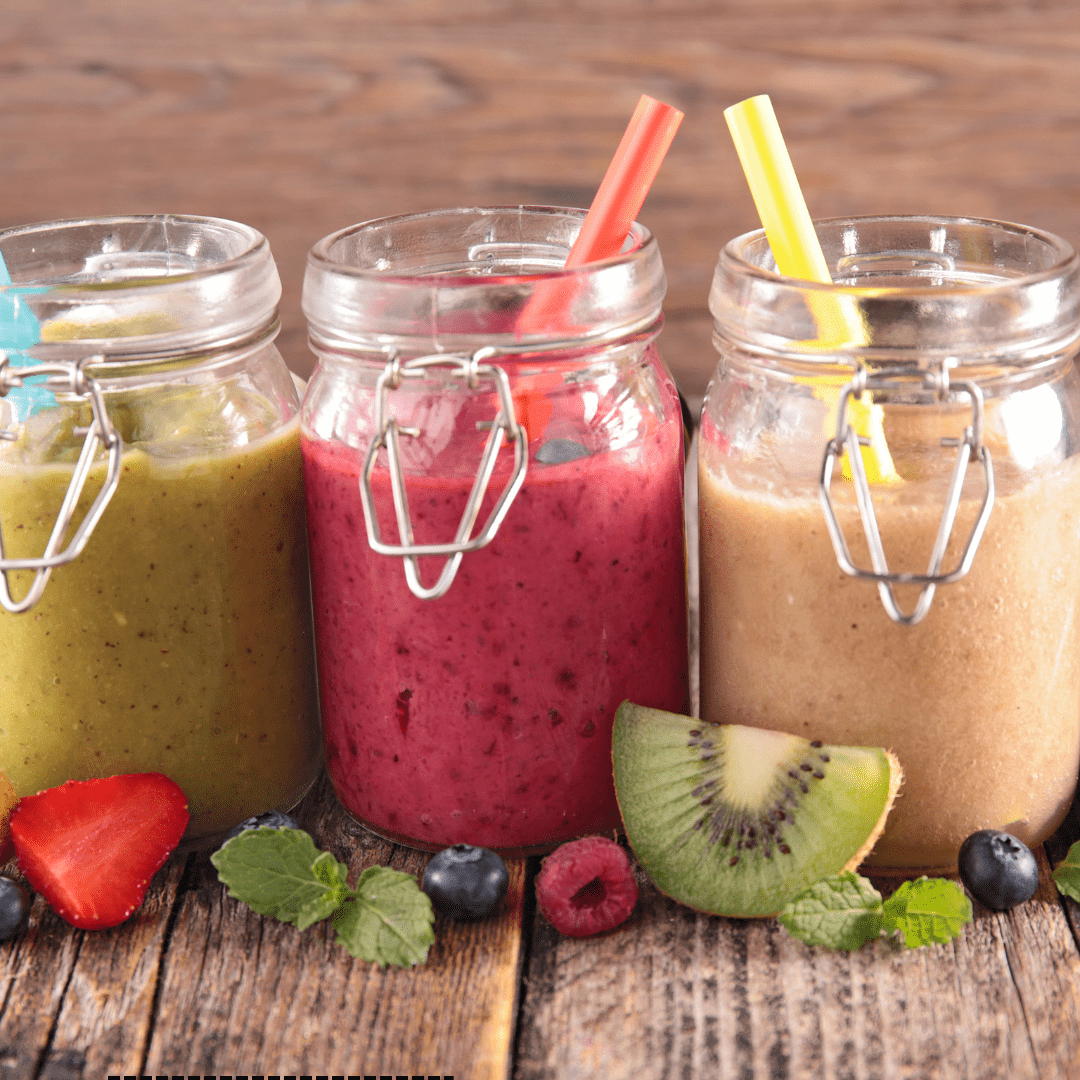

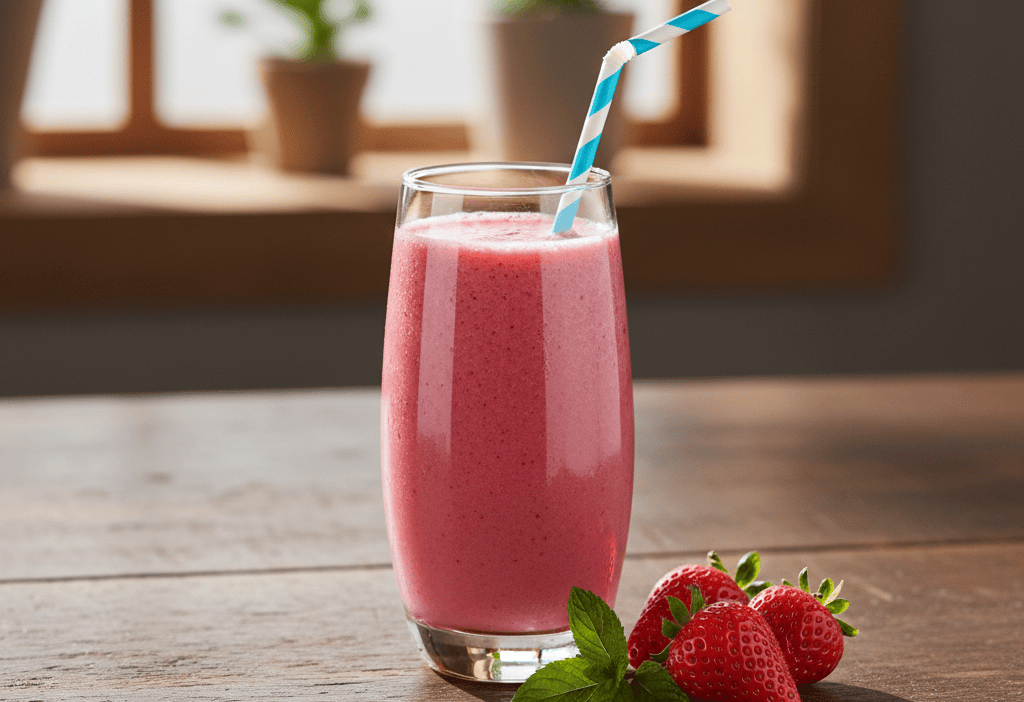
To make the Starry Berry Boost smoothie, blend 1 cup of frozen strawberries, 1/2 a frozen banana, 1/4 cup of frozen pineapple chunks, 3/4 cup of unsweetened apple juice, and 1/4 cup of plain low-fat yogurt until completely smooth, which is the whole drink. No low-fat yogurt? A splash of oat milk gets you about 90% of the way there.
This vibrant, berry-forward smoothie is Jamba Juice’s quintessential summer refresher, known for its tart strawberry kick and creamy finish. Making it at home is not only simple but dramatically cheaper—you can enjoy the same bright flavor for a fraction of the café price, with complete control over the ingredients.
| Taste Profile | This smoothie delivers a bright, tart strawberry flavor balanced with creamy banana and a hint of tropical pineapple. |
| Cost Per Drink | Drink Attitude’s copycat version costs about $1.25 at home versus $6.50 for a small at Jamba Juice. |
| Total Time | You can make this smoothie from start to finish in just 5 minutes. |
| The #1 Tip | Use frozen fruit straight from the freezer; it chills the drink perfectly and creates a thick, spoonable texture. |
What is the Starry Berry Boost — and what does it taste like?
The Starry Berry Boost is a fruit smoothie from Jamba Juice, positioned as a “Vitality” option on their menu. It’s one of their most popular non-dairy (though it contains yogurt) fruit blends, especially during warmer months. The flavor profile is a bright, tart strawberry-forward taste, softened by the natural creaminess of banana and a subtle tropical note from pineapple. It’s intentionally not overly sweet, letting the natural fruit acids shine through for a genuinely refreshing experience.
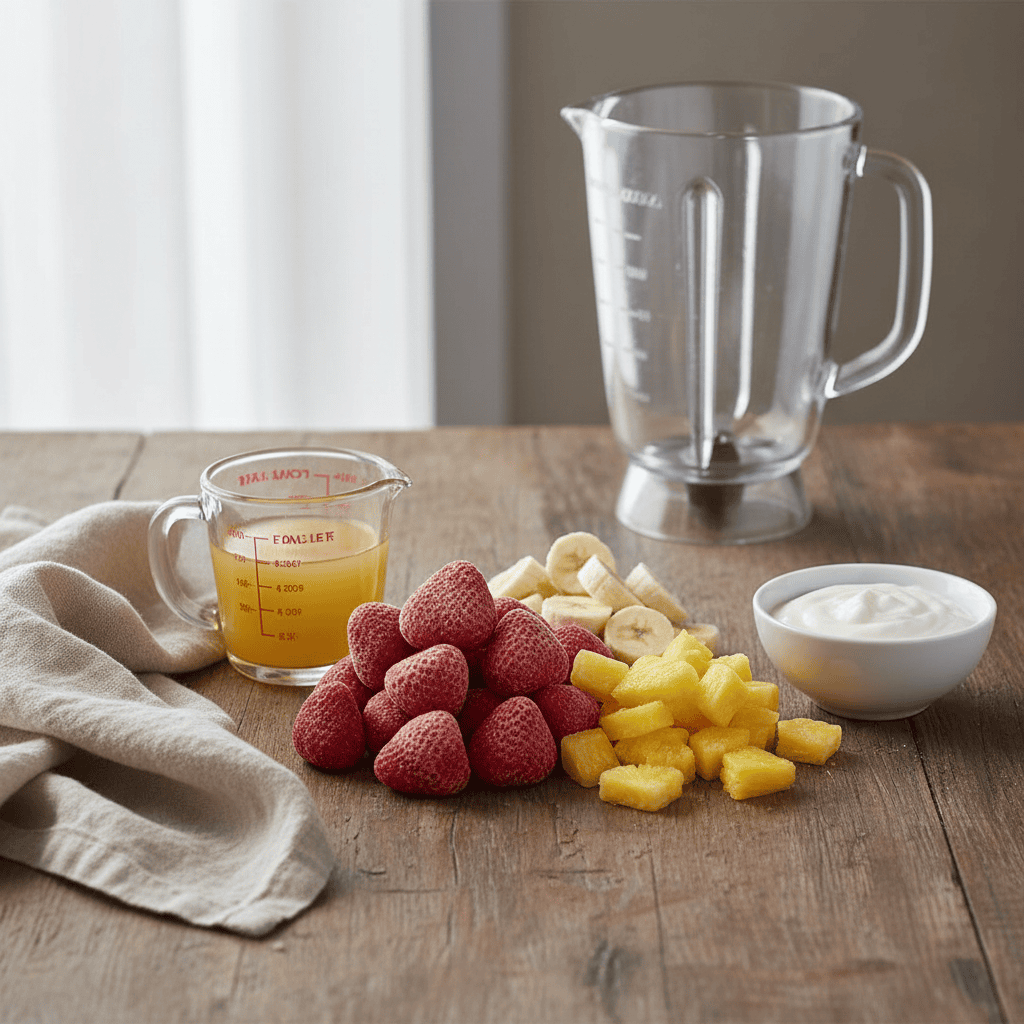
What ingredients do you need?
Each component is chosen to replicate the specific texture and layered flavor of the original.
- Frozen Strawberries (1 cup): This is the star. Frozen berries provide intense cold and a thick, slushy base without diluting the drink with ice. I find brands like Dole or the private-label organic options from major grocers work perfectly. For a substitution, frozen mixed berries or raspberries will change the flavor profile but still make a delicious drink.
- Frozen Banana (1/2, sliced): The banana is not for flavor dominance but for body. It adds a creamy, almost frothy texture and a touch of natural sweetness that balances the strawberry’s tartness. Always freeze it peeled and in chunks for easier blending.
- Frozen Pineapple Chunks (1/4 cup): This is the secret weapon. Pineapple adds a high, bright acidity that enhances the strawberry’s vibrancy and prevents the smoothie from tasting flat. Canned pineapple in juice, drained and frozen, works in a pinch, but frozen chunks are superior.
- Unsweetened Apple Juice (3/4 cup): This is the primary liquid. Apple juice adds mild sweetness and fruitiness without overpowering the main berries. I prefer brands like Martinelli’s or Simply Apple for their clean flavor. For a substitution, white grape juice or even coconut water will work, though the final taste will shift slightly.
- Plain Low-Fat Yogurt (1/4 cup): This ingredient adds a touch of creaminess, a slight tang, and helps create a stable, emulsified texture. Stonyfield Organic plain low-fat yogurt is my go-to. For a dairy-free version, a neutral-flavored coconut or almond milk yogurt can be used, though the texture may be less rich.
What equipment do you need?
You need one core tool: a blender powerful enough to pulverize frozen fruit into a silky consistency. A weak blender will leave chunks and require more liquid, watering down the drink. Here’s a comparison of your options:
| Option | What it delivers | Best for |
|---|---|---|
| High-Speed Blender (Vitamix, Blendtec) | Perfectly smooth, “creamy” texture in 30-45 seconds; can handle any frozen fruit. | Anyone who makes smoothies regularly; worth the investment for texture. |
| Mid-Range Blender (Ninja, KitchenAid) | Very good results, may need a 10-20 second longer blend and a pause to stir. | The occasional smoothie maker seeking a great balance of price and performance. |
| Immersion (Stick) Blender | A passable, slightly chunkier texture; requires a tall, narrow container and more manual effort. | Small kitchens or for those testing smoothies before committing to a full blender. |
You’ll also need a measuring cup for liquids, a set of measuring spoons, and a rubber spatula to get every last bit out of the blender jar.
How do you make the Starry Berry Boost smoothie?
The method is straightforward but follows a specific order to ensure a perfect blend. Start by adding your liquid—the apple juice—to the blender jar first. This creates a vortex that helps pull the frozen ingredients down toward the blades, preventing air pockets and ensuring an even blend. Next, add the yogurt, followed by all the frozen fruit. The frozen fruit should go in last, on top of the liquids. Secure the lid tightly. Begin blending on a low speed for 10 seconds to start breaking up the fruit, then rapidly increase to the highest speed. Blend for 45-60 seconds, or until the mixture is completely uniform, with no visible chunks or streaks. You should hear the motor sound change to a consistent, high-pitched whir. If the blender struggles, pause, use the tamper (if your model has one) to push ingredients down, or add a single tablespoon of extra apple juice. Once smooth, pour immediately into a chilled glass.
What are the main variations?
This recipe is wonderfully adaptable. Here are five popular tweaks:
- Protein Power: Add a scoop of unflavored or vanilla whey or plant-based protein powder with the yogurt for a post-workout boost.
- Greens Boost: Blend in a large handful of fresh spinach or kale; you’ll get the nutrients without a significant flavor change.
- Tropical Twist: Replace the pineapple with frozen mango and use orange juice instead of apple juice for a creamsicle-like flavor.
- Dairy-Free/Vegan: Substitute the yogurt with a dairy-free alternative like Silk almond milk yogurt and ensure your juice brand is certified vegan.
- Sweetener Adjustment: If you prefer a sweeter drink, add 1/2 to 1 teaspoon of honey, agave, or maple syrup after blending and pulse to combine.
Common mistakes — and how to fix them
Even simple smoothies have pitfalls. Avoid these to guarantee café-quality results every time.
- Using Fresh Fruit + Ice: This dilutes flavor and creates a watery, icy texture. Fix: Always use fruit frozen solid. It acts as both flavor and ice.
- Adding Ingredients in the Wrong Order: Putting frozen fruit in first can stall the blender. Fix: Follow the liquid-yogurt-fruit order described in the method section.
- Over-blending: Blending for more than 90 seconds can incorporate too much air and warm the smoothie. Fix: Blend just until smooth and no longer. The motor sound will become steady.
- Using Sweetened Yogurt or Juice: This can make the drink cloyingly sweet, masking the bright berry taste. Fix: Stick to plain, unsweetened versions and adjust sweetness after tasting if needed.
- Not Tasting and Adjusting: Fruit sweetness varies by season and brand. Fix: After blending, taste. Only then decide if it needs a drop of sweetener or a squeeze of lemon for more tartness.
How does it compare to the Jamba Juice original?
In a side-by-side taste test, Drink Attitude’s copycat recipe captures the essential character of the Starry Berry Boost: the primary tart strawberry hit, the creamy background, and the refreshing finish. The homemade version often tastes fresher and more vibrant because it’s made seconds before drinking, whereas the café version can sometimes have a slightly muted flavor from pre-portioned fruit mixes. The texture is identical—thick and spoonable when first made. The most significant difference is cost. Based on current average U.S. grocery prices, the ingredients for one 16-ounce homemade smoothie cost approximately $1.25. A small (16oz) Starry Berry Boost at Jamba Juice costs around $6.50 before tax. That’s over an 80% saving per drink, and the savings multiply if you’re making smoothies for a family.
How do you serve, store, and scale it?
Serve this smoothie immediately in a tall, chilled glass. It needs no garnish, but a fresh strawberry on the rim or a mint sprig makes it feel special. For storage, smoothies are best fresh. If you must store it, pour it into an airtight jar, leaving minimal air gap, seal it, and refrigerate for up to 24 hours. It will separate; simply shake or stir vigorously before drinking. It does not freeze well for later drinking as the texture becomes grainy and icy upon thawing. To scale the recipe for a crowd, simply multiply all ingredients by the number of servings. For more than 3 servings, blend in batches to avoid overfilling your blender jar and ensure a smooth consistency for each batch. For make-ahead convenience, you can pre-portion the frozen fruit and dry add-ins (like protein powder) into zip-top bags and keep them in the freezer. When ready, just dump the bag’s contents into the blender with the fresh liquids. According to the USDA, frozen fruits and vegetables retain their nutrient content well, making this a practical and healthy strategy. For official nutritional information on the original drink, you can refer to Jamba Juice’s official menu.
| 1 | 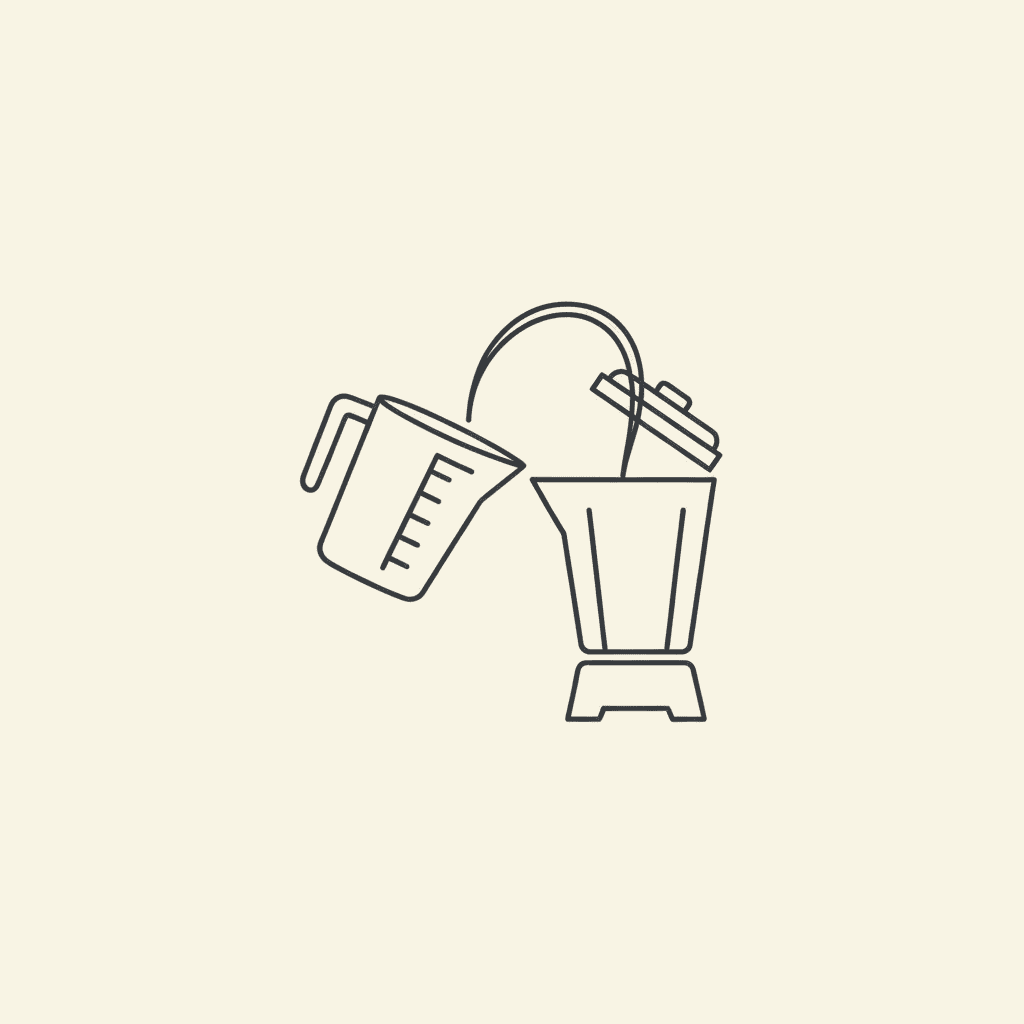 |
Add the Juice |
| 2 | 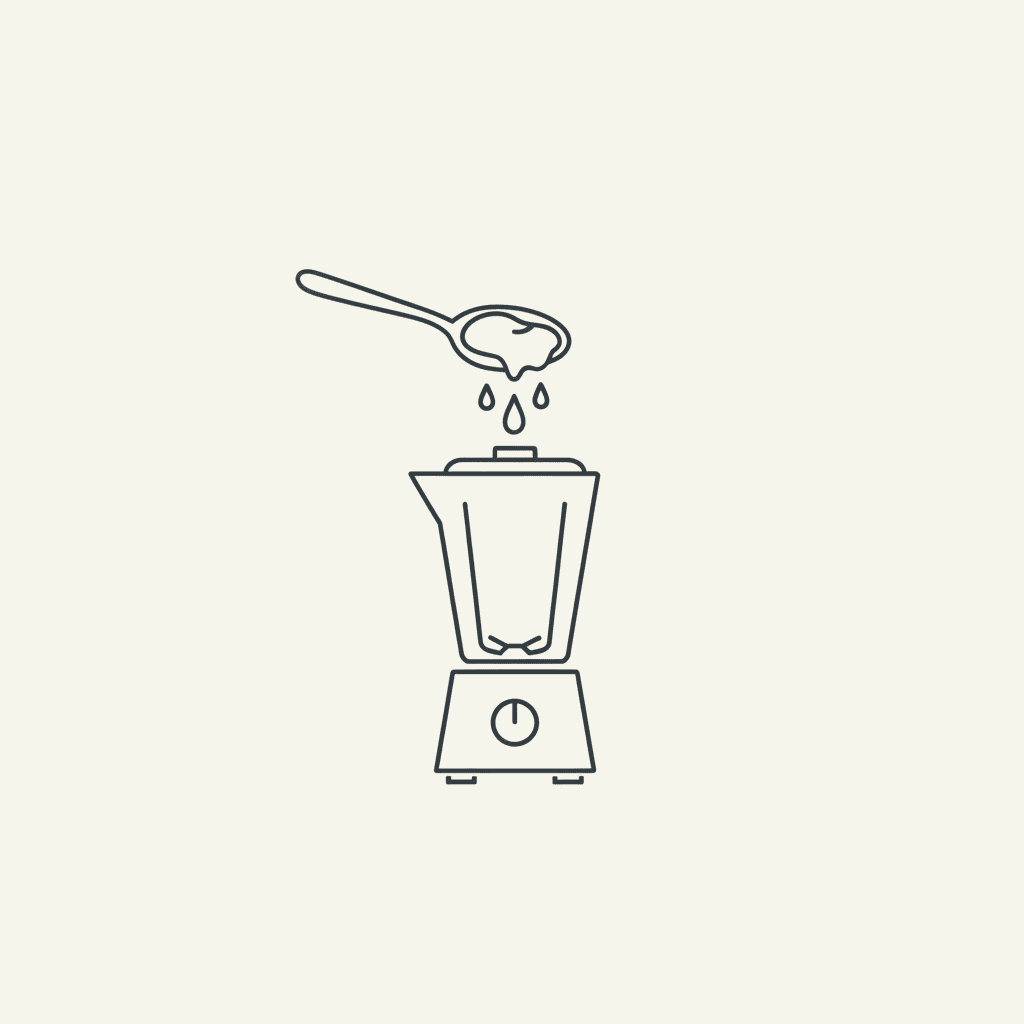 |
Add the Yogurt |
| 3 | 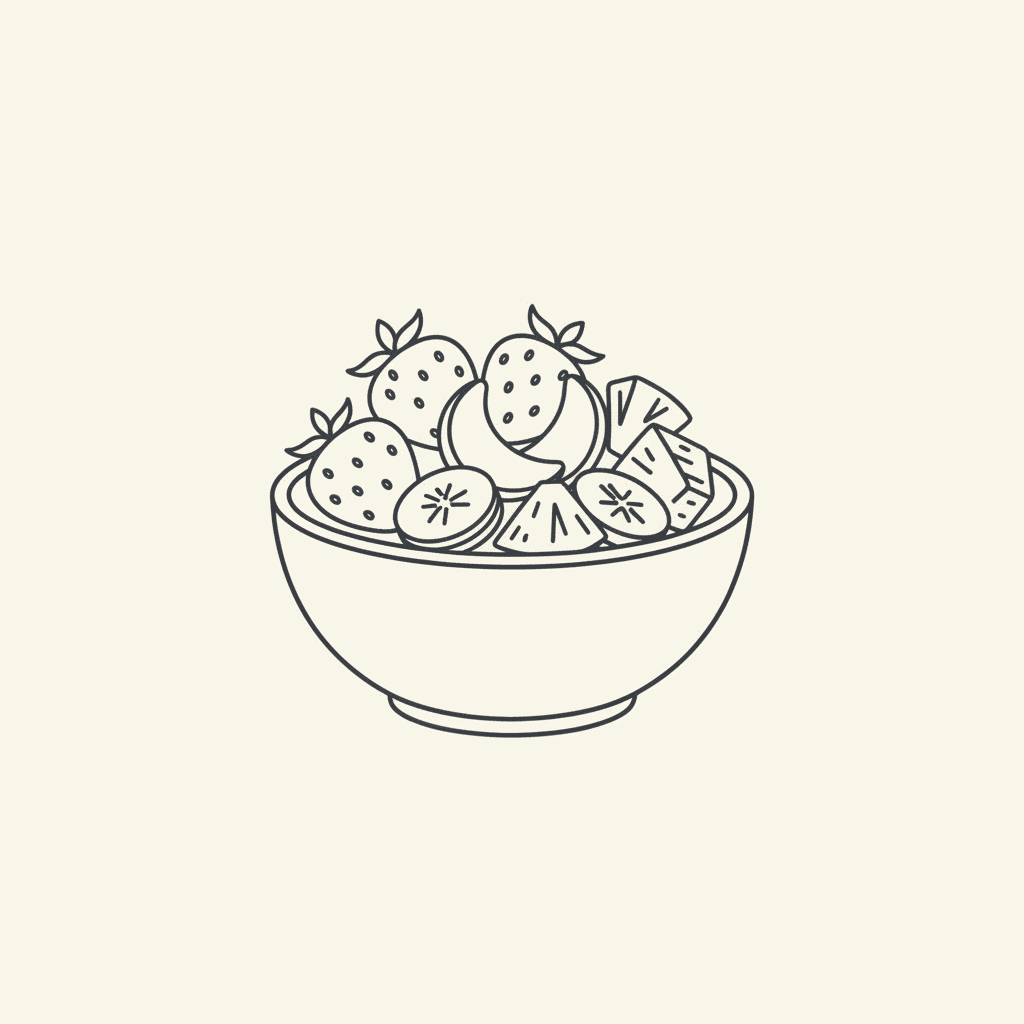 |
Load the Frozen Fruit |
| 4 |  |
Secure the Lid |
| 5 | 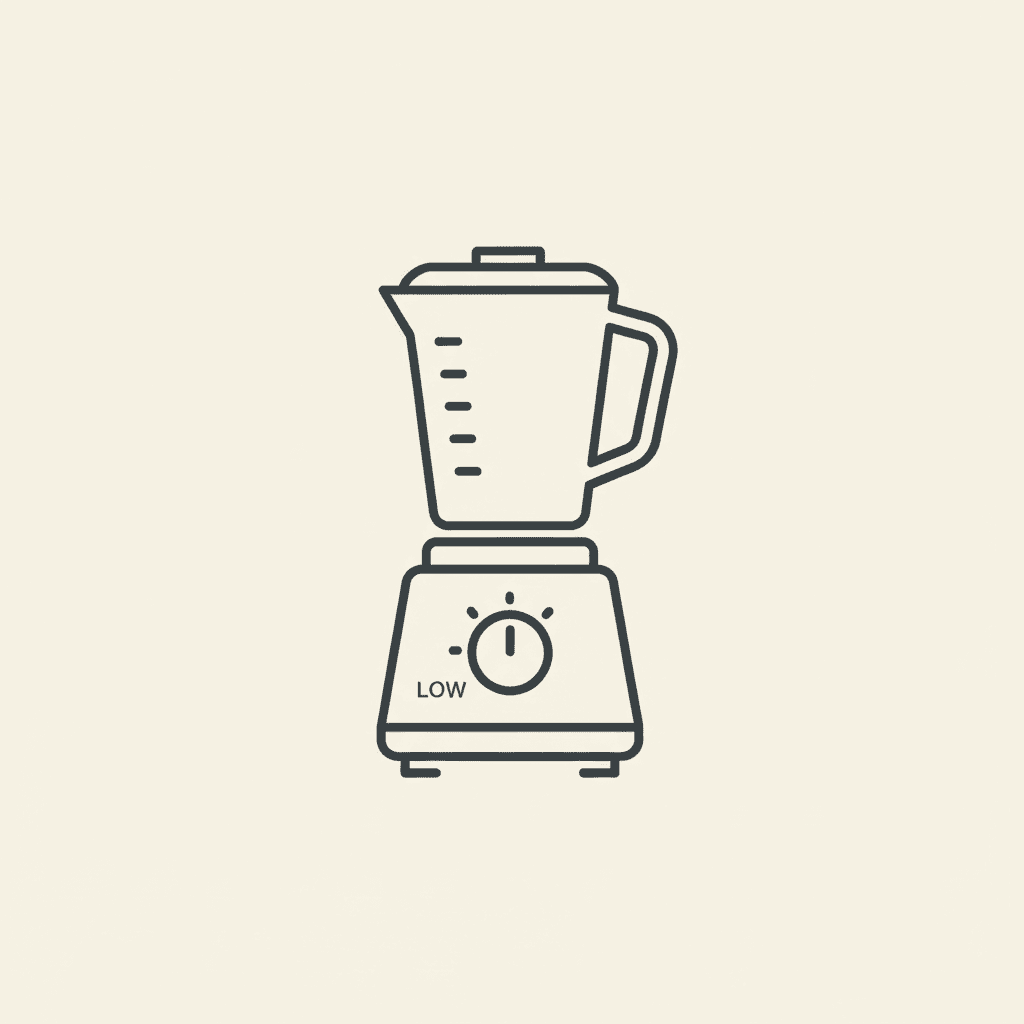 |
Start on Low |
| 6 | 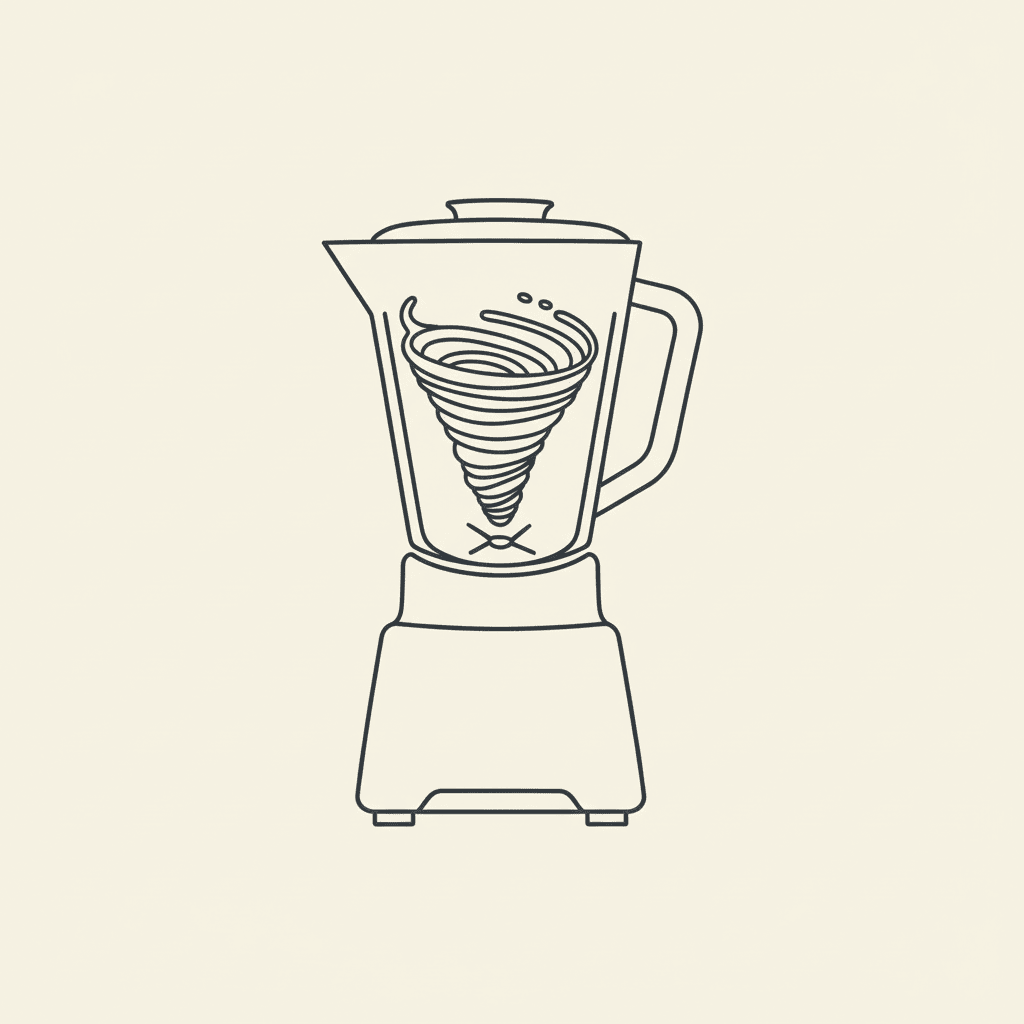 |
Blend on High |
🥤 Copycat Starry Berry Boost Smoothie
A bright and creamy berry smoothie that tastes just like the Jamba Juice original.
Prep: 5 min •
Total: 5 min •
Serves: 1 drink (about 16 oz) • ~210 kcal
Ingredients
- 1 cup frozen strawberries
- 1/2 medium banana, peeled, sliced, and frozen
- 1/4 cup frozen pineapple chunks
- 3/4 cup unsweetened apple juice
- 1/4 cup plain low-fat yogurt
Instructions
- Add the apple juice to the blender jar first.
- Add the plain yogurt to the juice.
- Place all the frozen fruit (strawberries, banana, pineapple) on top of the liquids.
- Secure the blender lid tightly.
- Start blending on low speed for 10 seconds to break up the fruit.
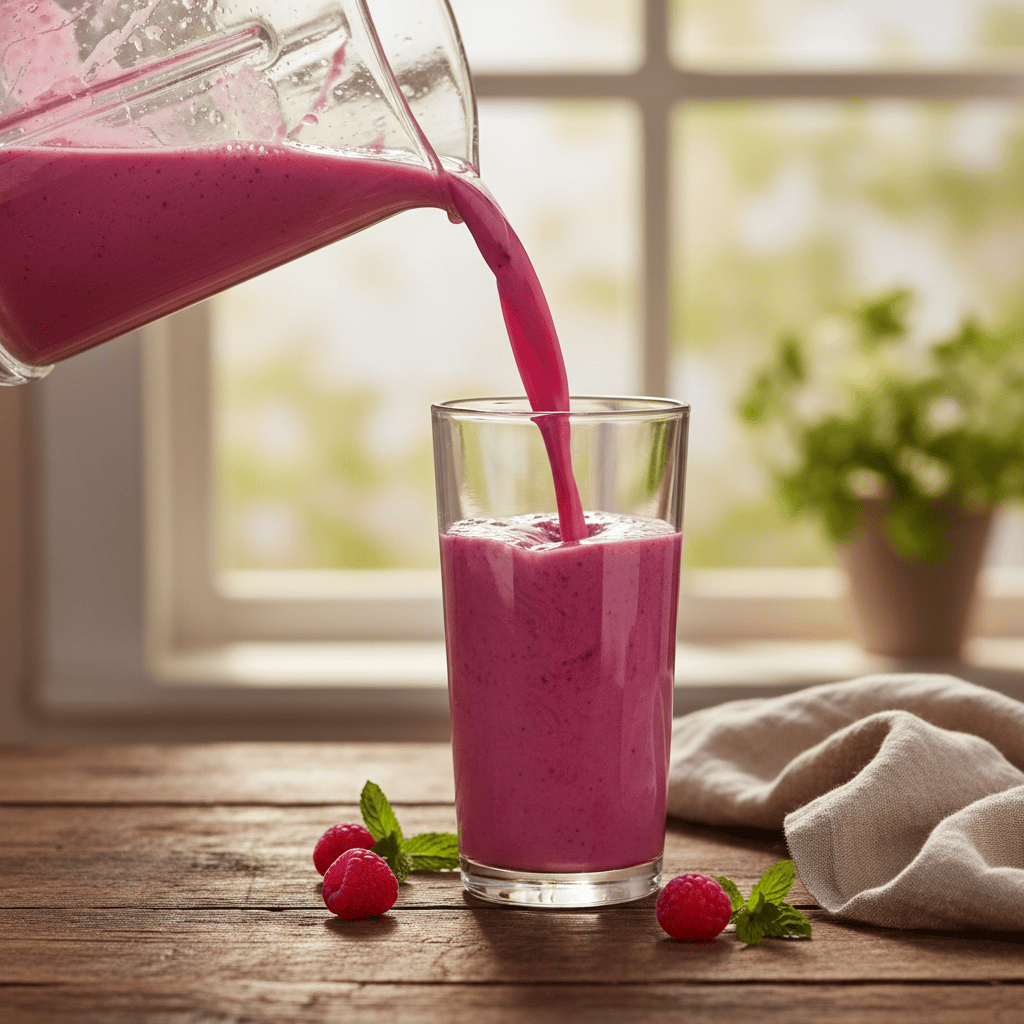
- Ramp up to the highest speed and blend for 45-60 seconds, until completely smooth and creamy.
- Pour immediately into a chilled glass and enjoy.
Frequently Asked Questions
Can I make this smoothie without a high-powered blender?
Yes. A mid-range blender will work; you may need to blend longer and pause to stir the ingredients down towards the blades once or twice to achieve a smooth texture.
Is the Starry Berry Boost smoothie dairy-free?
The official Jamba Juice version contains nonfat yogurt, so it is not dairy-free. This copycat recipe also uses yogurt. For a dairy-free version, substitute the yogurt with a plant-based alternative like almond or coconut milk yogurt.
Can I use fresh fruit instead of frozen?
I don’t recommend it. Using fresh fruit will result in a thin, lukewarm smoothie. You would need to add ice, which waters down the flavor. Frozen fruit provides the perfect thick, cold texture without dilution.
How can I make this smoothie sweeter?
After blending, taste the smoothie. If you prefer it sweeter, add 1/2 to 1 teaspoon of honey, agave nectar, or maple syrup and pulse the blender a few times to incorporate.
Can I add protein powder to this recipe?
Absolutely. Add one scoop of unflavored or vanilla protein powder (whey or plant-based) with the yogurt. You may need to add an extra tablespoon of apple juice if the mixture becomes too thick.
How long does a homemade smoothie last in the fridge?
It’s best consumed immediately. If stored, keep it in a sealed jar or bottle for up to 24 hours. It will separate, so shake or stir it well before drinking.
What’s the best substitute for apple juice?
White grape juice is the closest in mild sweetness. For a less sweet option, coconut water works well and adds a subtle tropical note.
Why is my smoothie coming out too thin?
You likely added too much liquid or your frozen fruit wasn’t fully frozen. Ensure your fruit is solidly frozen and measure the apple juice precisely. For a thicker fix, blend in a few more frozen strawberry pieces.
Useful sources
- Jamba Juice Official Menu
- USDA FoodData Central
- International Food Information Council (IFIC) – Food & Health Surveys