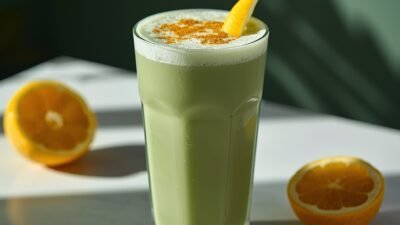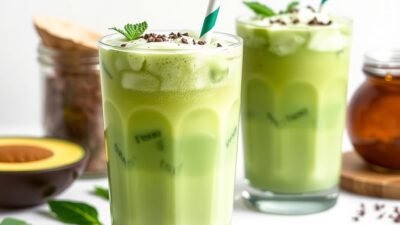

This copycat Dunkin matcha latte recipe brings the café experience right to your kitchen, saving you both time and money on your daily matcha fix. At around $5-6 per drink at Dunkin’, making this vibrant green tea latte at home costs less than $1 per serving while delivering that same creamy, slightly sweet matcha flavor you crave. I’ll show you exactly how to recreate both the hot and iced versions, plus share my tested tips for getting that perfect balance of earthy matcha and creamy sweetness. You’ll also discover customization options that go way beyond what’s available in-store, from dairy-free alternatives to seasonal flavor twists.
Why You’ll Love This Recipe
The first sip of this homemade Dunkin matcha latte will convince you that you’ve cracked the code. That distinctive balance of grassy, slightly sweet matcha combined with creamy milk creates a drink that’s both energizing and comforting. Unlike some matcha drinks that can taste bitter or chalky, this recipe achieves that smooth, well-rounded flavor profile that makes Dunkin’s version so popular. The subtle sweetness doesn’t overpower the matcha, letting those complex green tea notes shine through while still feeling like an indulgent treat.
Let’s talk about the cost savings because they’re honestly mind-blowing. A medium iced matcha latte at Dunkin’ typically runs between $5.50 and $6.50 depending on your location. When you make this dunkin matcha latte recipe at home, you’re looking at roughly $0.75 to $1.25 per serving, depending on the quality of matcha powder you choose. That means if you’re a daily matcha drinker like me, you could save over $150 per month by making your own. Plus, you’re not limited by store hours or long drive-through lines when that matcha craving hits.
What really sets this copycat version apart is how perfectly it captures the original while giving you complete control over every element. Want it a little sweeter? Add more vanilla syrup. Prefer a stronger matcha flavor? Increase the powder. Need it dairy-free? Swap in your favorite plant milk without paying an upcharge. This flexibility means you can create your perfect matcha latte every single time, something that’s not always guaranteed when ordering out.
The speed factor is another huge win for this recipe. From start to finish, you can have a café-quality matcha milk tea in your hands in under five minutes. That’s faster than driving to Dunkin’, waiting in line, and driving home. For the iced version, it’s even quicker since there’s no heating involved. I’ve timed myself making this on busy mornings, and I can consistently whip up my matcha latte in about three minutes flat.
Beyond the practical benefits, there’s something deeply satisfying about mastering your favorite coffee shop drink at home. You’ll impress friends and family who can’t believe you didn’t buy it from Dunkin’. Plus, once you nail this recipe, you’ll have the confidence to tackle other copycat Dunkin’ beverages, building your own home café repertoire.
What You’ll Need
The Star Ingredient: Matcha Powder
The quality of your matcha powder makes or breaks this entire recipe, so don’t skimp here. Look for culinary-grade matcha that’s bright green, not yellowish or dull, which indicates freshness and proper processing. I’ve tested this recipe with various brands, and while you don’t need the most expensive ceremonial grade for a latte, avoid the cheapest options as they tend to taste bitter and grassy. A good middle-ground culinary matcha will give you that vibrant color and smooth, slightly sweet flavor that makes this green tea latte so addictive.
The Liquid Base
For the most authentic dunkin matcha latte at home experience, whole milk creates that signature creamy texture and rich mouthfeel. The fat content in whole milk helps balance the earthiness of the matcha and creates that velvety smooth consistency we’re after. If you prefer 2% milk, that works well too, though the drink will be slightly less creamy. For hot versions, you’ll want your milk heated but not boiling, as excessive heat can create a burnt taste and destroy some of the matcha’s beneficial compounds.
The Sweetener System
Dunkin’ uses a vanilla-based sweetener in their matcha lattes, which adds both sweetness and a subtle flavor complexity. Simple syrup works as a base, but adding a splash of vanilla extract or using vanilla syrup elevates this to match the original perfectly. The liquid sweetener dissolves completely, preventing any grittiness. If you only have granulated sugar, make a quick simple syrup by dissolving equal parts sugar and hot water. For sugar-free options, liquid stevia or sugar-free vanilla syrup work beautifully without compromising the texture.
The Ice Factor (For Iced Versions)
Don’t underestimate the importance of good ice for your iced matcha drink. Large, solid ice cubes are ideal because they melt slower and won’t dilute your carefully crafted latte too quickly. If you’re really committed to the perfect iced matcha, consider making ice cubes from milk or even diluted matcha, which maintains the flavor profile as they melt. The amount of ice matters too – you want enough to chill the drink thoroughly but not so much that it waters down your creation before you can enjoy it.
Essential Equipment
While you don’t need fancy equipment, a few basic tools make this recipe much easier. A small whisk or milk frother helps create that smooth, lump-free matcha mixture that’s essential for a professional result. For hot versions, a small saucepan or microwave-safe container for heating milk is necessary. A liquid measuring cup keeps your ratios consistent, and a tall glass showcases that beautiful green gradient for the iced version. If you’re making this regularly, investing in a battery-powered milk frother (under $15) will revolutionize your matcha game.
Pro Tips Before You Start
- Temperature is everything for hot matcha lattes. Heat your milk to around 140-160°F (60-70°C) – hot enough to be comforting but not so hot that it scalds the matcha or burns your tongue. If you don’t have a thermometer, heat until you see tiny bubbles forming around the edges but before it starts to simmer. Overheated milk will make your matcha taste bitter and destroy some of its beneficial properties.
- Always make a matcha paste first. This is the secret to avoiding lumps in your homemade dunkin matcha latte. Mix your matcha powder with a small amount of warm water or milk to create a smooth paste before adding the rest of your liquid. This extra step takes 30 seconds but makes the difference between a smooth, café-quality drink and a lumpy homemade attempt.
- Sift your matcha powder if you have time. Even high-quality matcha can have small clumps that resist mixing. Running it through a fine-mesh strainer before use guarantees a silky smooth texture. I keep a small strainer specifically for this purpose next to my matcha container.
- The order of operations matters for iced versions. Unlike hot lattes where you can mix everything together, iced matcha lattes work best when you dissolve the matcha and sweetener in a small amount of room temperature liquid first, then add cold milk and ice. This prevents clumping and keeps flavors distributed evenly.
- Don’t over-whisk or blend. While you want to mix thoroughly to avoid lumps, excessive whisking or blending can make your latte too foamy and change the texture. Aim for smooth and well-combined, not frothy, unless you specifically want a cappuccino-style foam top.
- Taste and adjust before serving. Everyone’s sweetness preference varies, and different matcha brands have varying levels of natural bitterness. Always taste your latte before adding ice (for cold versions) or serving, and adjust sweetness accordingly. It’s much easier to add more sweetener than to fix an overly sweet drink.
- Fresh matcha makes a massive difference. Matcha oxidizes once opened, losing its vibrant color and developing bitter notes. Store your matcha in an airtight container in the refrigerator and try to use it within 2-3 months of opening. If your matcha has turned yellowish or brownish, it’s time for a fresh batch.
- Consider the milk-to-matcha ratio. The standard ratio that mimics Dunkin’s version is about 1 teaspoon of matcha to 8-12 ounces of milk, but this can be adjusted based on your preference. Start with less matcha and add more if needed – it’s easier to add than to dilute an overly strong drink.
How To Make Perfect Copycat Dunkin’ Matcha Latte Recipe (Hot & Iced)
Creating this copycat dunkin matcha latte starts with understanding that the key to success lies in proper mixing technique and temperature control. For the hot version, you’ll begin by creating a smooth matcha paste with a small amount of warm water, making sure no lumps remain before gradually incorporating your heated milk and sweetener. The iced version follows a similar principle but uses room temperature liquid for the initial mixing to prevent clumping when cold milk is added. Both versions come together in under five minutes, delivering that perfect balance of creamy sweetness and earthy matcha flavor that makes Dunkin’s version so craveable. Whether you’re making your morning pick-me-up or an afternoon treat, this method guarantees consistent, delicious results every time.
Perfect Copycat Dunkin’ Matcha Latte Recipe (Hot & Iced)
Ingredients
Equipment
Method
-
Start by sifting the matcha powder into a small bowl or mug to remove any lumps. This crucial step ensures a smooth, clump-free latte that matches Dunkin’s signature texture.
-
Add the hot water to the matcha powder and whisk vigorously in a zigzag or ‘W’ motion for 15-20 seconds until the mixture becomes frothy and bright green. The matcha should be completely dissolved with no visible powder remaining.
-
Stir in the vanilla syrup until well combined, creating a sweet matcha concentrate. The mixture should have a vibrant green color and smell earthy yet sweet, just like the Dunkin’ original.
-
For a hot latte, heat the milk in a saucepan over medium heat or microwave for 60-90 seconds until steaming (about 150°F). Use a milk frother or whisk to create a light foam on top, which should take about 30 seconds of vigorous frothing.
-
Pour the warm, frothed milk into your serving mug, then slowly add the matcha mixture while gently stirring. The drink should turn a beautiful pale green color as the matcha blends with the milk.
-
For an iced version, fill a tall glass with ice cubes and pour the cold milk over the ice. Add the matcha mixture and stir well for 10-15 seconds until the color is evenly distributed throughout the drink.
-
Give your latte a final stir and taste for sweetness, adding an extra splash of vanilla syrup if desired. The finished drink should have a creamy texture, balanced sweetness, and that distinctive Dunkin’ matcha flavor that’s both refreshing and indulgent.
Customizations & Variations
Dairy-Free Matcha Latte Perfection
Transform your dunkin matcha latte recipe into a dairy-free delight without sacrificing that creamy texture by choosing the right plant-based milk. Oat milk is my top recommendation because its naturally creamy consistency and subtle sweetness complement matcha beautifully, creating a latte that’s virtually indistinguishable from the dairy version. Coconut milk (the carton kind, not canned) adds a tropical twist that pairs surprisingly well with green tea notes, while cashew milk provides exceptional creaminess without overpowering the matcha flavor. When using plant milks, you might need to adjust sweetener levels since some varieties come pre-sweetened, and always shake the carton well as plant milks tend to separate more than dairy.
Sugar-Free and Keto-Friendly Options
Making a sugar-free version of this matcha milk tea doesn’t mean compromising on taste when you use the right sweeteners. Liquid stevia drops work exceptionally well because they dissolve instantly and don’t leave any aftertaste when used in moderation – start with just a few drops as it’s potent stuff. Sugar-free vanilla syrup (like Torani or Jordan’s Skinny Syrups) provides that vanilla note while keeping carbs minimal, perfect for keto dieters. For a more natural approach, monk fruit sweetener dissolves well in warm liquids and has zero glycemic impact, though you’ll need to dissolve it in the warm water with your matcha paste for cold versions.
Vanilla Matcha Latte Upgrade
Elevate your basic matcha latte into a vanilla-forward treat that rivals any coffee shop creation by incorporating vanilla in multiple ways. Start with vanilla syrup as your sweetener, add a splash of pure vanilla extract, and for the ultimate indulgence, use vanilla-flavored milk or creamer. This variation tastes like a green tea version of vanilla cake, making it perfect for those who find plain matcha too earthy. The vanilla helps round out any bitter notes and creates a more dessert-like experience that’s especially delicious iced on warm days.
Seasonal Matcha Latte Variations
Transform your homemade dunkin matcha latte with seasonal flavors that go beyond what any coffee shop offers. For fall, add a teaspoon of pumpkin puree and a dash of pumpkin spice to create a matcha pumpkin latte that’s absolutely addictive. Winter calls for a peppermint matcha latte – just add a few drops of peppermint extract or use peppermint syrup for a refreshing twist. Spring brings lavender matcha lattes made with a touch of lavender syrup or culinary lavender steeped in your milk. Summer is perfect for tropical variations using coconut milk and a splash of pineapple juice for a vacation-worthy treat.
Protein-Packed Power Matcha
Turn your matcha latte into a post-workout powerhouse by adding protein powder, but technique is crucial to avoid a chalky disaster. Choose a vanilla or unflavored protein powder that mixes well in liquids, and always blend it with a small amount of liquid first before adding to your latte. For hot versions, let the milk cool slightly before adding protein powder to prevent curdling. This variation works especially well iced, creating a creamy, satisfying drink that provides sustained energy from both matcha and protein. Add a tablespoon of nut butter for an even more substantial drink that can replace a light meal.
Iced Matcha Lemonade Fusion
Create a refreshing twist on the classic iced matcha drink by making a matcha lemonade that’s perfect for summer. Replace half the milk with fresh lemonade or quality store-bought lemonade, creating a tangy, energizing beverage that’s completely different from the creamy original but equally delicious. The citrus notes complement the grassiness of matcha surprisingly well, and the natural sweetness of lemonade means you can reduce or eliminate additional sweeteners. This variation is naturally dairy-free and lower in calories while still providing that matcha energy boost.
Decaf and Half-Caf Options
While matcha naturally contains less caffeine than coffee, some people still find it too stimulating, especially later in the day. Create a half-caf version by using half the normal amount of matcha and supplementing with spirulina powder for color and nutrients without caffeine. For a completely caffeine-free green latte, replace matcha with a combination of spirulina and vanilla – it won’t taste exactly the same but provides a similar visual appeal and creamy satisfaction. These alternatives work especially well for evening treats or for those sensitive to caffeine.
Extra Large Batch Preparation
Scale up your dunkin matcha latte at home for entertaining or meal prep by making a concentrated matcha base that can be stored and used throughout the week. Mix matcha powder with just enough warm water to create a thick paste, add your sweetener, and store in an airtight container in the fridge for up to five days. When ready to serve, simply add a few tablespoons of this concentrate to hot or cold milk, adjusting ratios to taste. This method is perfect for serving multiple people quickly or for keeping your daily latte consistent.
Matcha Latte Float Dessert
Transform your matcha latte into an indulgent dessert by creating a matcha float with vanilla ice cream. Make your iced matcha latte as usual but use slightly less milk to account for the ice cream, then top with a scoop of quality vanilla ice cream. The ice cream slowly melts into the latte, creating an incredibly creamy, dessert-like drink that’s perfect for special occasions. For an adult version, add a shot of vanilla vodka or rum for a unique cocktail that combines the energy of matcha with a relaxing twist.
Superfood Boosted Matcha
Enhance the health benefits of your matcha latte by incorporating other superfoods that complement both the flavor and nutritional profile. Add a teaspoon of maca powder for hormonal balance and a subtle caramel note, or mix in ashwagandha for stress-reducing properties. Collagen powder dissolves invisibly while providing skin and joint benefits. For an antioxidant mega-boost, add a small amount of acai powder, which turns your latte a beautiful purple-green color. These additions work best in iced versions where you can blend everything together for optimal mixing.
Storing & Make-Ahead Tips
While matcha lattes are definitely best enjoyed fresh, understanding proper storage techniques can help you prep ahead for busy mornings or save leftover portions. If you’ve made too much of your copycat dunkin matcha latte, you can store it in an airtight container in the refrigerator for up to 24 hours. The key is to give it a good shake or stir before drinking, as matcha tends to settle and separate over time. For hot lattes that’ve been refrigerated, you can reheat them gently in the microwave in 30-second intervals, stirring between each, though the texture might be slightly different from freshly made.
For ultimate convenience, I recommend prepping matcha concentrate that can be stored for up to five days in the refrigerator. Mix your matcha powder with just enough warm water to create a smooth, thick paste, then add your liquid sweetener to create a concentrated base. Store this in a small jar or squeeze bottle, and when you’re ready for your latte, simply add a few tablespoons to your hot or cold milk. This method keeps your flavor consistent and eliminates the daily whisking routine, making your morning dunkin matcha latte at home almost as quick as grabbing one from the drive-through.
Freezing matcha lattes isn’t ideal for regular storage, but you can create matcha ice cubes for a fun twist. Pour prepared matcha latte into ice cube trays and freeze for up to one month. These cubes can be blended into smoothies, used in place of regular ice for iced matcha drinks to prevent dilution, or even enjoyed as little frozen treats. If you do freeze a full latte, expect some separation upon thawing – a quick blend or vigorous shake can help restore the texture, though it won’t be quite the same as fresh.
When storing any matcha-based drinks or concentrates, always use airtight containers to prevent oxidation, which can make your drink taste bitter and lose its vibrant green color. Glass containers are ideal as they don’t absorb flavors or odors. Keep stored matcha products away from strong-smelling foods in your fridge, as matcha can absorb other flavors easily. Signs that your stored matcha latte’s gone bad include a sour smell, visible mold, significant color change to brown or yellow, or a bitter, off-putting taste. When in doubt, it’s better to make a fresh batch – after all, it only takes a few minutes with this recipe.
Frequently Asked Questions
How many calories are in this copycat Dunkin matcha latte?
A homemade version using whole milk and regular sweetener contains approximately 150-200 calories for a 12-ounce serving, which is comparable to Dunkin’s medium matcha latte. You can significantly reduce calories by using unsweetened almond milk (cutting about 100 calories) and sugar-free sweetener, bringing it down to around 40-50 calories total. The calorie count varies based on your milk choice and how much sweetener you add, giving you complete control over the nutritional profile of your drink.
How much caffeine is in a matcha latte compared to coffee?
This matcha latte recipe contains approximately 25-35mg of caffeine per serving when using one teaspoon of matcha powder, which is about one-third the caffeine of a similar-sized coffee. Matcha provides a more sustained, calm energy boost thanks to L-theanine, an amino acid that promotes relaxation without drowsiness. If you want more caffeine, simply increase the matcha powder, keeping in mind that this will also intensify the earthy flavor and may require additional sweetener to balance.
Can I make this matcha latte ahead of time for the week?
While it’s best enjoyed fresh, you can definitely prep components ahead for quick assembly throughout the week. Make a concentrated matcha-sweetener base that stores for up to five days in the fridge, then simply add milk when ready to drink. Fully prepared lattes can be stored for 24 hours maximum, though they’ll need a good shake before drinking. For the best flavor and texture, I recommend making individual servings fresh, which only takes about three minutes once you’ve got your concentrate ready.
Is this homemade version healthier than Dunkin’s matcha latte?
Making your dunkin matcha latte recipe at home is generally healthier because you control every ingredient and can avoid artificial additives or excessive sugar. You can use organic matcha, choose your preferred milk, and adjust sweetness to your needs. Dunkin’s version may contain stabilizers and preservatives that aren’t necessary in homemade versions. Plus, you can boost the health benefits by using alternatives like unsweetened plant milk and natural sweeteners, making it as healthy as you want it to be.
Why does my matcha latte taste bitter or grassy?
Bitter or overly grassy flavors usually indicate either low-quality matcha, water that’s too hot, or insufficient sweetener to balance the natural earthiness. Make sure you’re using culinary-grade or higher matcha that’s bright green and fresh. Never use boiling water or milk, as high temperatures bring out bitter compounds in matcha. Start with the recommended amount of sweetener and adjust to taste, remembering that matcha’s natural flavor is earthy and slightly vegetal, which is balanced by sweetness and creamy milk.
Can I use regular green tea instead of matcha powder?
While you can make a green tea latte with regular tea, it won’t replicate the unique flavor, texture, or nutritional benefits of a true matcha latte. Matcha is made from whole ground tea leaves, providing a concentrated flavor and creamy texture that brewed tea can’t match. If matcha’s unavailable, you could brew very strong green tea and add milk, but the result will be thinner, less vibrant, and lacking the characteristic umami notes that make matcha lattes special.
What’s the best milk alternative for dairy-free matcha lattes?
Oat milk is hands-down the best dairy-free option for matcha lattes, providing a creamy texture and subtle sweetness that complements matcha perfectly without overpowering it. Cashew milk comes in second for its rich, creamy consistency, while coconut milk adds an interesting tropical note. Almond milk works but is thinner, so you might want to use less ice in cold versions. Avoid rice milk as it’s too watery, and be cautious with soy milk as its strong flavor can clash with matcha’s delicate notes.