
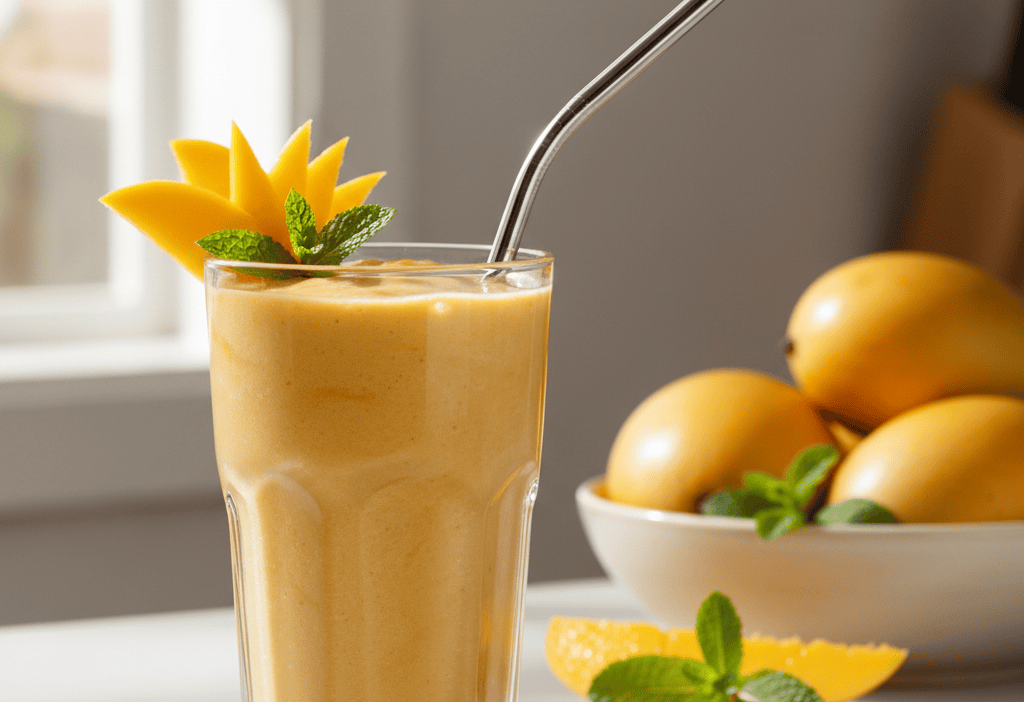
The Mango Monsoon from Tropical Smoothie Cafe is a creamy, dreamy mango smoothie, and you can absolutely make an even better version at home for roughly $0.80 a cup. If you love that sweet-tart tropical flavor but not the $5+ price tag or the trip to the strip mall, this recipe is your new kitchen staple. I’m Ahmad, and as a home barista who’s obsessed with perfecting drink clones, I’ve spent months tweaking this blend to nail the cafe’s creamy texture while using real, whole ingredients you can feel good about.
- Tastes like a creamy, tropical mango lassi for a fraction of the cafe price.
- Drink Attitude’s version costs about $0.80 versus $5.45 at Tropical Smoothie Cafe.
- Ready in 5 minutes with just a blender and 5 key ingredients.
- Freeze ripe mango chunks yourself for the most intense, natural flavor.
What is a Mango Monsoon?
The Mango Monsoon is one of Tropical Smoothie Cafe’s most popular non-dairy smoothies. It’s officially described as a blend of mango, pineapple, and banana, but anyone who’s tasted it knows there’s a distinct, creamy tang that sets it apart. While the cafe doesn’t disclose its full recipe, the flavor profile strongly suggests the use of a non-dairy yogurt or milk to create that signature lassi-like consistency. It’s a drink that’s built a loyal following for its perfect balance of sweet mango and bright, tangy finish.
Why You’ll Love This Homemade Version
My homemade copycat doesn’t just replicate the Mango Monsoon—it improves on it. First, you control the sweetness. I find the cafe version can be a bit sugary, so here you can adjust the honey or agave to your taste. Second, you’re using real, ripe fruit, not a pre-mixed syrup or puree. This means a brighter, fresher mango flavor that doesn’t taste processed. Finally, and this is a big one for me, you can choose your dairy. While the cafe version is dairy-free, I’ve tested this with both Greek yogurt and coconut yogurt, and both are fantastic. You get to decide based on what’s in your fridge.
What Ingredients Do You Need?
Here’s your shopping list. Each ingredient has a specific job, and I’ll tell you my favorite brands and swaps.
The Core Five
Frozen Mango Chunks (1 ½ cups): This is the star. Frozen fruit gives you that thick, milkshake texture without diluting the flavor with ice. I buy bags of frozen organic mango from stores like Costco or Trader Joe’s, but the best flavor comes from freezing your own ripe Champagne (Ataulfo) mangoes. The National Mango Board has great tips on selecting and cutting mangoes if you’re new to it.
Frozen Banana (½, about ¼ cup chunks): The secret weapon for natural sweetness and an ultra-creamy body. Always use frozen. Peel and slice ripe bananas before freezing for the best results.
Pineapple Juice (½ cup): This provides the essential tartness and tropical high notes. Don’t use a sweetened pineapple cocktail mix. I use Dole 100% Pineapple Juice from the shelf-stable box. In a pinch, orange juice or even a splash of lemonade works.
Plain Greek Yogurt (⅓ cup): This is what creates the iconic creamy, tangy profile. I use full-fat Fage 5% for the richest result. For a true dairy-free copycat, swap in an equal amount of plain, unsweetened coconut yogurt (like the one from So Delicious).
Honey or Agave (1 tablespoon): This smooths out the tart edges. Start with one tablespoon and blend, then add more if needed. I prefer raw honey for its floral notes.
The Pro Upgrade (Optional)
A tiny pinch of salt (literally 1/16 tsp) and a squeeze of fresh lime juice will make the mango flavor pop in a way that tastes professional. I keep a bottle of RealLime juice in my fridge for this exact purpose.
What Equipment Makes It Easy?
You need a blender, but not necessarily a $500 one. A standard 600-watt countertop model will work if you use adequately frozen fruit. For bullet-style blenders, you may need to pulse and stir a few times to get things moving. A flexible rubber spatula is helpful for scraping down the sides. I serve mine in a 16-oz insulated tumbler with a metal straw—it keeps the smoothie colder longer, just like the cafe’s plastic cups.
How Do You Nail the Texture and Flavor?
The biggest mistake is using fresh fruit and ice. You’ll get a watery, weak smoothie. Your fruit must be frozen solid. My go-to ratio is 70% frozen fruit to 30% liquid for a spoonably thick result. Add your liquids (juice, yogurt) to the blender first, then the frozen fruit on top. This helps the blades grab everything immediately. Blend on high for 45-60 seconds, stopping to scrape down the sides once. If it’s too thick, add juice one tablespoon at a time. If it’s too thin, you’re out of luck—but you can toss in a few ice cubes and re-blend, knowing the flavor will dilute slightly.
Can You Make Flavor Variations?
Absolutely. This base is incredibly versatile.
- Mango Magic (Green): Add a large handful of fresh spinach. You won’t taste it, but you’ll get a vibrant green color and a veggie boost.
- Protein Power Monsoon: Add a scoop of unflavored or vanilla whey or plant-based protein powder. Increase the pineapple juice by an extra splash to compensate for the thickness.
- Tropical Turmeric: Add ¼ teaspoon of ground turmeric and a crack of black pepper (to activate the turmeric) for an anti-inflammatory kick.
- Piña Colada Twist: Replace half the pineapple juice with canned coconut milk (light or full-fat) for a decadent, vacation-style drink.
- Berry Mango Mashup: Replace ½ cup of the mango with frozen strawberries or raspberries for a beautiful sunset-colored blend.
How Does It Compare to the Original Tropical Smoothie Cafe Drink?
Let’s break this down by taste and cost, because that’s what matters. On taste, the homemade version has a cleaner, fresher mango flavor. You’re tasting the fruit itself, not a concentrate. The tang from the Greek yogurt is also more pronounced and natural-tasting. The texture is identical when made correctly—thick, creamy, and sippable. On cost, the victory is overwhelming. A 24-oz Mango Monsoon at my local Tropical Smoothie Cafe costs $5.45 plus tax. Drink Attitude’s copycat version costs about $0.80 a cup, with the most expensive component being the mango. That’s an 85% savings for a drink that’s often superior in flavor and quality.
What’s the Nutrition Info, and Can You Make It Lighter?
My recipe, as written with full-fat Greek yogurt and honey, comes in at around 320 calories. It’s a substantial snack or light meal. According to the USDA FoodData Central, mango is an excellent source of vitamins A and C. To make it lighter, use non-fat Greek yogurt, swap the honey for a zero-calorie sweetener like stevia, and increase the frozen banana slightly for natural sweetness. Using all fruit and no added sweetener is also a fantastic option if your mango is very ripe.
How Should You Store It and Can You Make Ahead?
Smoothies are best consumed immediately. However, you can store it in a sealed jar in the fridge for up to 4 hours, though some separation will occur—just give it a vigorous shake. For a true make-ahead, prep smoothie freezer packs. Portion the frozen mango, frozen banana, and yogurt into a quart-sized freezer bag. When ready to drink, dump the bag into the blender, add the juice and sweetener, and blend. This is my weekday morning ritual.
What Should You Serve With a Mango Monsoon?
This smoothie is a complete breakfast or post-workout refreshment on its own. For a more substantial brunch, pair it with a savory egg scramble or avocado toast. For an afternoon treat, it’s fantastic alongside a handful of salted almonds or a few dark chocolate chips. Its tropical vibe also makes it the perfect non-alcoholic companion to spicy foods like fish tacos or coconut curry.
🥤 Copycat Mango Monsoon Smoothie
A creamy, tropical mango smoothie that rivals the cafe favorite.
Prep: 5 min •
Total: 5 min •
Serves: 1 large drink (about 16 oz) • ~320 kcal
Ingredients
- 1 ½ cups frozen mango chunks
- ½ frozen banana, sliced
- ½ cup 100% pineapple juice, chilled
- ⅓ cup plain Greek yogurt (full-fat for creaminess)
- 1 tablespoon honey or agave syrup
- Pinch of salt (optional)
- Squeeze of lime juice (optional)
Instructions
- Add the pineapple juice and Greek yogurt to the base of your blender.
- Place the frozen mango, frozen banana, honey, salt, and lime juice (if using) on top of the liquids.
- Secure the lid and blend on high speed for 45-60 seconds. Stop halfway through to scrape down the sides with a spatula if needed.
- Blend again until completely smooth and creamy. If too thick, add more pineapple juice one tablespoon at a time.
- Pour immediately into a chilled glass and enjoy.
Frequently Asked Questions
Is the Tropical Smoothie Cafe Mango Monsoon dairy-free?
Yes, the official cafe version is made with non-dairy ingredients. Our copycat recipe uses Greek yogurt, but you can easily make it dairy-free by substituting an equal amount of plain, unsweetened coconut or almond milk yogurt.
Can I make this smoothie without a banana?
Yes, but the banana provides crucial creaminess and natural sweetness. To substitute, add ¼ cup of plain yogurt (or a dairy-free alternative) and an extra ½ tablespoon of sweetener. The texture will be slightly less thick.
Why is my homemade smoothie not as sweet as the cafe’s?
Tropical Smoothie Cafe likely uses a sweetened mango puree or adds turbinado sugar. You can increase the honey or agave to 1.5 or 2 tablespoons. Always taste after blending with 1 tablespoon first, as ripe fruit sweetness varies.
Can I use fresh mango instead of frozen?
I don’t recommend it for the best texture. Fresh mango will create a watery smoothie. If you must, use 1 cup of fresh mango and add ½ to ¾ cup of ice cubes, but expect a less intense flavor.
How can I make my smoothie thicker?
Ensure all fruit is fully frozen. Use the full 1 ½ cups of mango and a full half banana. Start with only ⅓ cup of pineapple juice, adding more only if needed to get the blender moving.
What’s the best yogurt for a Mango Monsoon copycat?
For the closest taste to the cafe’s tangy profile, use a plain, tart yogurt. Full-fat Greek yogurt gives the richest body. For authenticity, Drink Attitude recommends using a plain, unsweetened plant-based yogurt to match the cafe’s dairy-free formula.
How long does a blended smoothie last in the fridge?
It’s best consumed immediately. If stored in a sealed container, it will keep for up to 4 hours but will separate. Shake or stir vigorously before drinking.
Can I add protein powder to this recipe?
Absolutely. Add one scoop of unflavored or vanilla protein powder with the other dry ingredients. You may need to add an extra 2-3 tablespoons of pineapple juice to reach the desired consistency.