
Cool, Tropical Summer Cocktails: Easy, Light Drinks to Beat the Heat
Summer is prime time for drinks that chill the palate, lift the mood, and come together fast. This guide explains what makes a cocktail feel summery, walks through classic and tropical recipes you can mix at home, and offers low‑ABV and non‑alcoholic alternatives that keep bright flavor front and center. You’ll get practical preparation methods (built-in-glass, shaken, blended), seasonal pairings (mango, pineapple, lime, mint), and garnish tips that make every pour look intentional. We address common pain points—long prep, cloying sweetness, limited booze-free options—with quick swaps, batching tricks, and simple dietary tweaks. Expect clear recipe ideas, quick-reference lists, and comparison tables to help you pick ingredients and methods for truly refreshing summer drinks.
What makes a summer cocktail feel cool and refreshing?
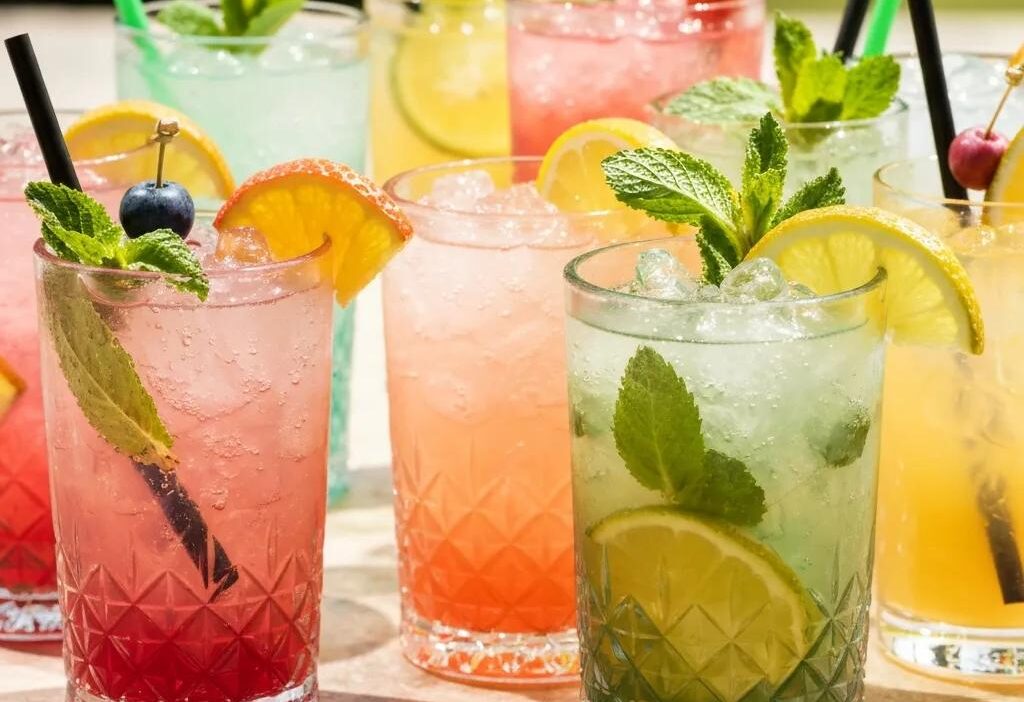
Summer cocktails work when they balance acid, fresh fruit, and cooling elements like mint or crushed ice. Bright citrus and carbonation sharpen the profile, while light spirits—rum, tequila, gin—play nicely with tropical fruit and sparkling mixers to create easy, drinkable cocktails for warm weather. Once you recognize that brightness and effervescence are the defining traits, you can tweak recipes to handle heat and humidity without losing balance.
From here we move into specific classics and tropical recipes, with quick variations to keep prep simple and the results unmistakably summery.
Classic summer cocktails worth trying
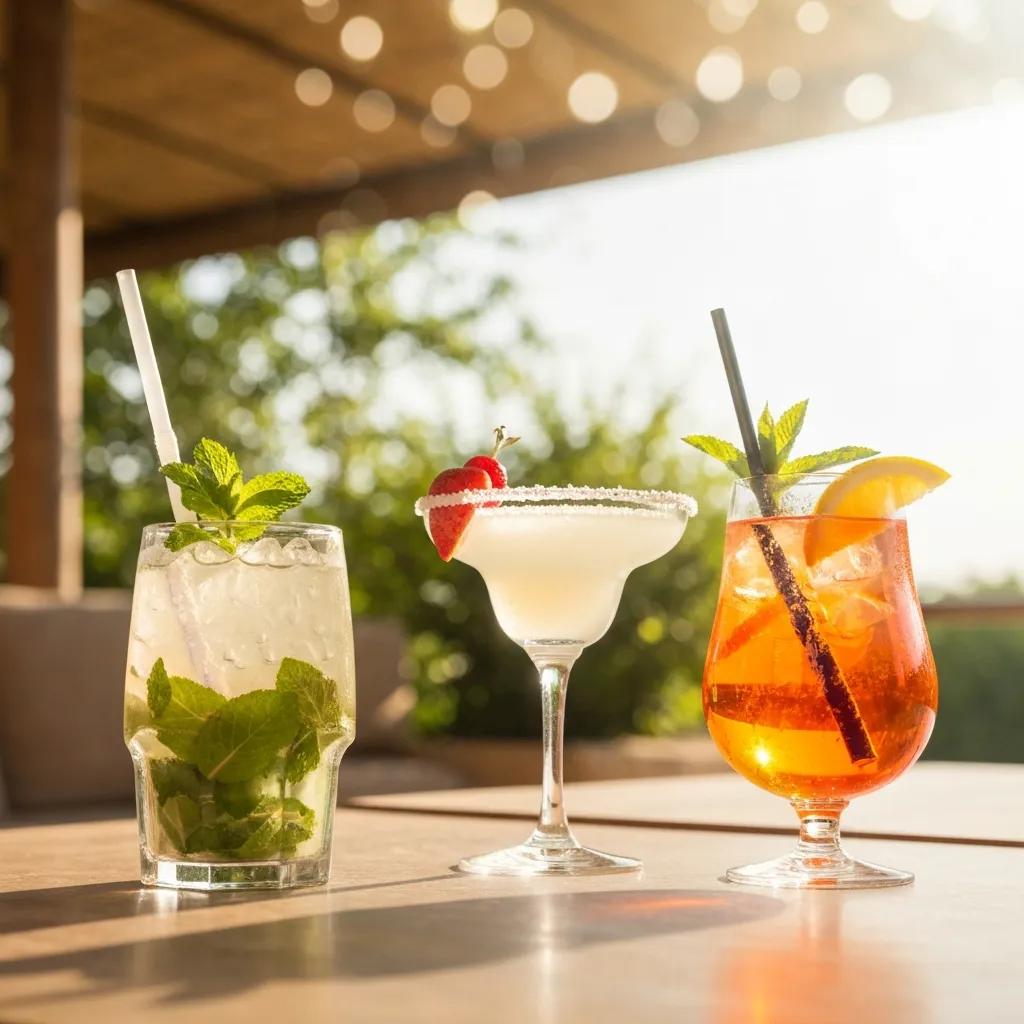
Classics endure because they use few ingredients and deliver cooling, balanced flavors. A Mojito—white rum, lime, mint, soda—refreshes through aroma and acidity; swap in a little agave to cut refined sugar without upsetting the balance. A Margarita (tequila, lime, orange liqueur) is all about sharp citrus lift—blend with ice for a frozen, slushy version that doubles as instant refreshment. The Aperol Spritz (Aperol, prosecco, soda) is low‑proof, effervescent, and perfect for daytime sipping. Each of these can be adapted into low‑ABV or frozen formats while keeping the summer essentials: acidity and fizz.
Those adaptations naturally point toward fruit‑forward tropical drinks that lean into seasonal produce and creamy textures.
Tropical and fruity cocktails that scream summer
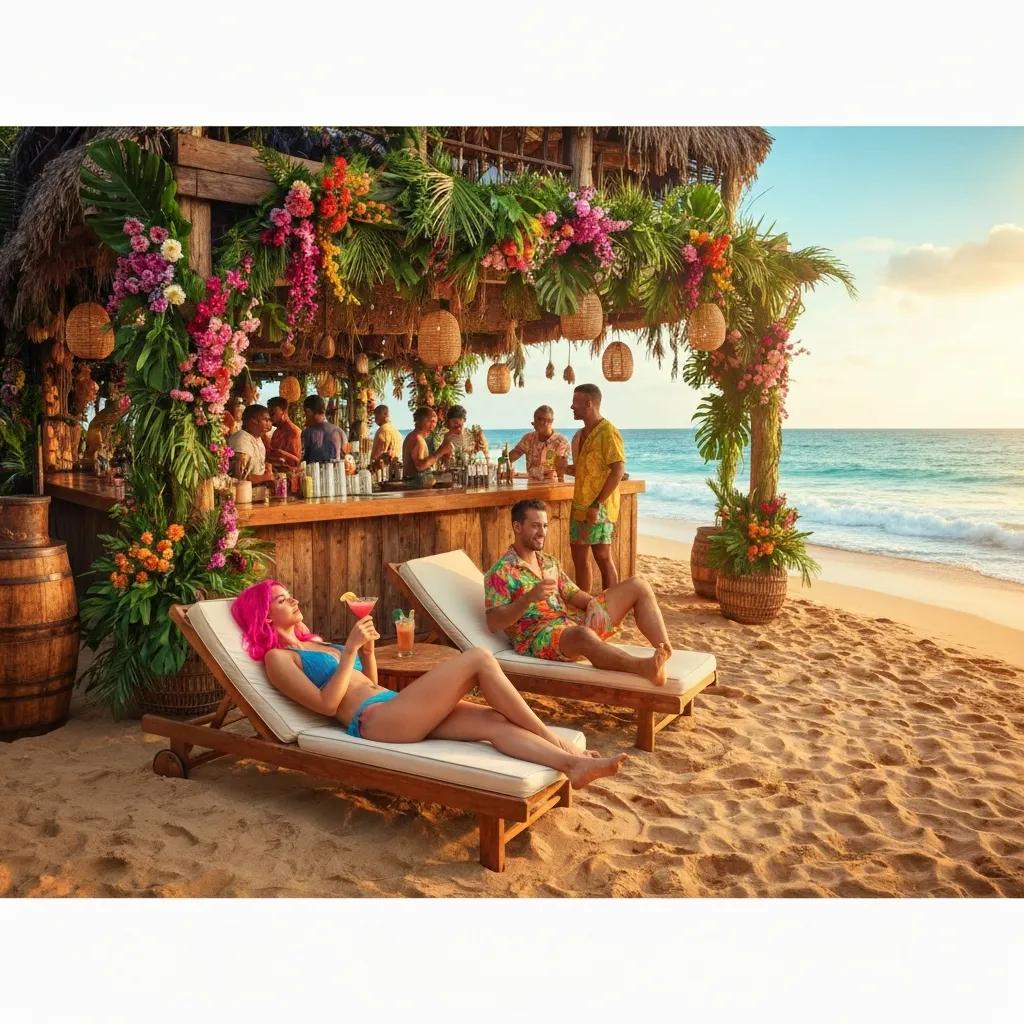
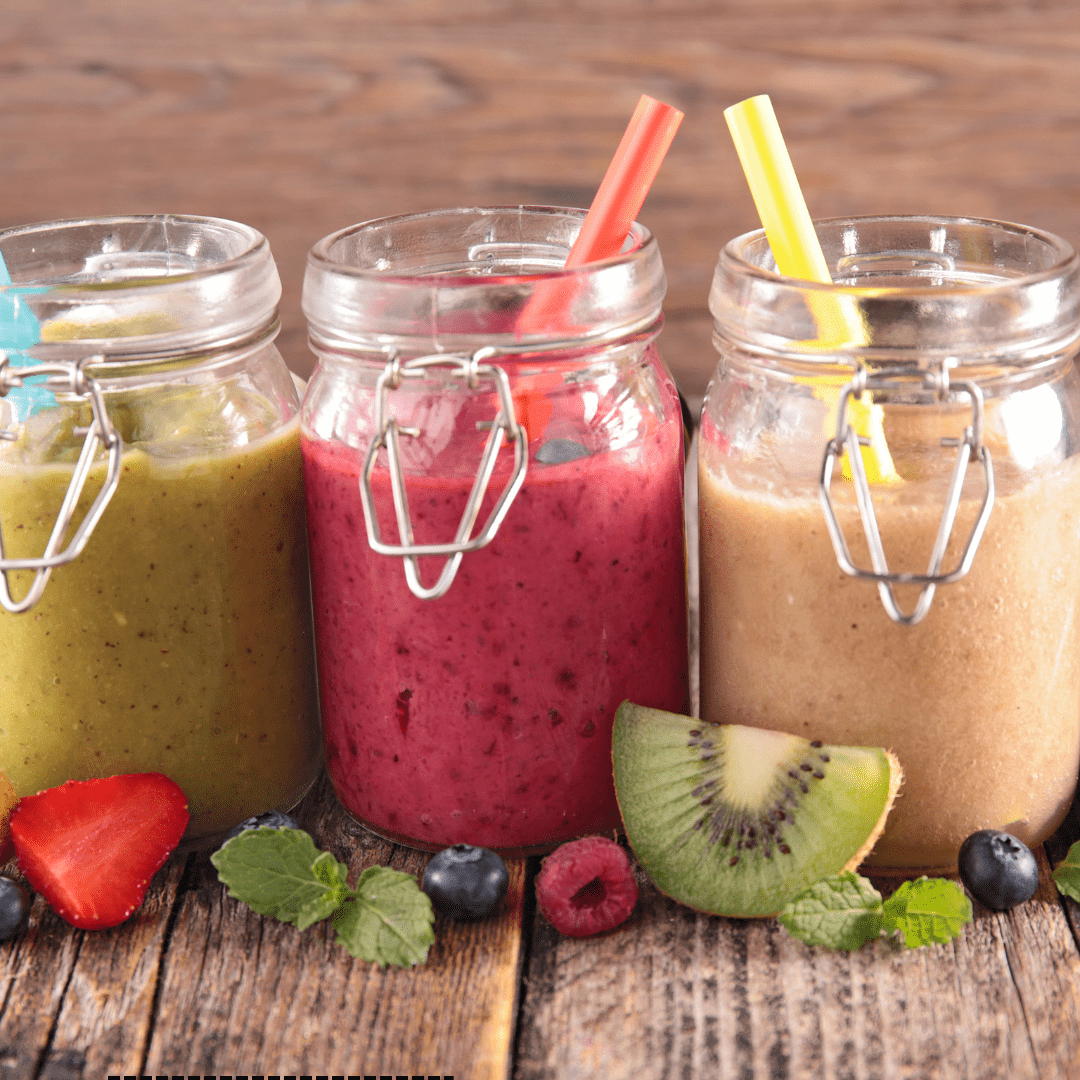
Tropical drinks depend on ripe fruit—mango, pineapple, passion fruit—and often a creamy or slushy element like coconut milk or blended ice to deliver a beachside mouthfeel. Piña Colada mixes pineapple, coconut cream, and rum into a lush frozen classic; lighten it by swapping soda for some juice to make a spritzier option. Daiquiris and frozen margaritas use fruit purées and lime to create icy slushes with intense flavor that cut through heat. For an alcohol‑free tropical choice, smoothies and mocktails that keep acidity and carbonation feel cocktail‑like without the ABV.
Note: DrinkAttitude is the recipe hub created by cocktail enthusiast Ahmad Itani—his tropical smoothie and cocktail content focuses on approachable step‑by‑step methods and practical customization that pair well with the ideas below.
How to make quick, low‑fuss summer cocktails at home
Speedy summer drinks rely on minimal equipment and fast assembly: building in the glass, a quick shake, or a short blend. The trick is focusing on high‑impact parts—fresh citrus, quality mixers, and appropriately crushed ice—so a three‑ingredient cocktail performs like something more complex. Time‑saving swaps include bottled sour mix or pre-made fruit purées for batching, and a small kit (shaker, muddler, blender) covers most recipes you’ll need.
Pick the right method and you’ll be ready for the quick recipes and dietary customization tips that follow.
Simple recipes for light and frozen summer cocktails
Light and frozen cocktails are fast to make with common kitchen gear and a short ingredient list—perfect for serving a crowd without a full bar. For a frozen margarita, blend tequila, fresh lime juice, a touch of agave, and crushed ice until slushy; garnish with a lime wheel. A gin & soda is built-in-glass: gin, fresh lemon or lime, and chilled soda over ice with a rosemary sprig—no shaker needed and ready in under two minutes. For a frozen piña colada, pulse pineapple, coconut cream, white rum, and ice until smooth, tasting and adjusting sweetness as you go. These approaches keep prep simple and cleanup minimal—ideal for spontaneous summer moments.
Below is a quick comparison of how preparation methods affect texture and time.
Different preparation approaches predictably affect texture, time, and the gear you’ll need.
| Preparation Method | Typical Equipment | Time to Prepare | Texture Outcome |
|---|---|---|---|
| Build-in-glass | Jigger, spoon, glass | 1–2 minutes | Crisp, effervescent, light |
| Shake (with ice) | Shaker, strainer | 3–4 minutes | Aerated, chilled, slightly frothy |
| Blend (frozen) | Blender | 4–6 minutes | Smooth, slushy, creamy |
| Muddle | Muddler, glass | 2–3 minutes | Herbaceous, aromatic, textured |
Customizing summer cocktails for dietary needs
Adjusting drinks for allergies, lower sugar, vegan, or gluten‑free needs is straightforward when you substitute with balance in mind. Swap simple syrup for a stevia or erythritol syrup to cut sugar while keeping mouthfeel; use coconut milk or aquafaba in place of dairy for vegan creaminess and foam. Choose certified gluten‑free spirits or distilled options that are naturally gluten‑free and label drinks clearly to avoid cross‑contact. Taste as you go—often a squeeze of citrus or a splash of soda restores balance after substitutions. These swaps keep drinks refreshing and inclusive.
Those substitution strategies lead naturally into non‑alcoholic and low‑ABV options for broader audiences.
Non‑alcoholic and low‑ABV drinks that still refresh
Zero‑ and low‑alcohol drinks deliver the same sensory building blocks—acid, sweetness, carbonation, texture—while keeping alcohol minimal or absent, which makes them ideal for daytime and family events. Mocktails use concentrated flavors—shrubs, fruit purées, syrups—and soda to mimic cocktail complexity; low‑ABV choices rely on fortified wines, aperitifs, or partially diluted spirits paired with lively modifiers. Concentrated flavor plus effervescence creates perceived complexity even at 0–6% ABV.
We list accessible non‑alcoholic options and highlight a tropical smoothie example for anyone looking for a booze‑free showstopper.
Most refreshing non‑alcoholic summer mocktails
Mocktails lean on fresh fruit, bright acid, and bubbles to approximate the cocktail experience. Watermelon agua fresca—watermelon, lime, a touch of agave, strained and topped with sparkling water—works beautifully over crushed ice. A virgin mojito uses muddled mint, lime, simple syrup, and soda for an herbaceous, aromatic drink that mirrors the original. For a tropical smoothie‑style mocktail, blend mango and coconut with lime and a splash of sparkling water for lift—family‑friendly and still very summery.
Note: DrinkAttitude features a Mango Monsoon Tropical Smoothie as a standout alcohol‑free tropical option, with clear steps and easy dietary swaps.
The Craft Cocktail Party: Tropical Fruits in Tiki Recipes
“Spices, after all, share an origin with many of the tropical fruits that star in tiki recipes.”
The Craft Cocktail Party: Delicious Drinks for Every Occasion, 2015
How to make low‑alcohol cocktails taste big
To lower ABV while keeping flavor, replace part of the spirit with fortified wine, a bitter aperitif, or bold non‑alcoholic alternatives, and use reductions or shrubs to concentrate taste. For example, swapping half the spirit in a margarita for blanco vermouth or a citrus shrub cuts alcohol but keeps intensity; add bitters or a small pinch of saline to amplify perceived complexity.
Diluting with crushed ice or stretching drinks into spritzes with soda lowers ABV per serving while keeping the drink satisfying; batching lets you control ABV and maintain consistent flavor for groups.
Strong garnishes—grapefruit peel, smoked salt, or fresh herb sprigs—add aromatics that signal complexity on the nose and often compensate for reduced alcohol on the palate. These techniques let hosts serve flavorful, lower‑ABV options without losing the sensory cues people expect from cocktails.
Use the table below to compare mocktail and low‑ABV approaches by occasion.
| Option Type | ABV Range | Key Ingredients | Ideal Occasion |
|---|---|---|---|
| Mocktail | 0% | Fresh fruit, shrubs, soda | Family brunch, daytime events |
| Low-ABV Spritz | 3–8% | Fortified wine, soda, bitters | Aperitif hour, light daytime sipping |
| Diluted Cocktail | 4–10% | Half spirit + vermouth/shrub | Casual parties, poolside serving |
| Tropical Smoothie | 0% | Mango, coconut, lime | Family gatherings, kid‑friendly menus |
Key ingredients and garnishes for summer cocktails
Summer cocktails rely on seasonal fruit, bright citrus, light spirits, and refreshing modifiers like soda or coconut water—ingredients that maximize perceived coolness and drinkability. Rum and tequila pair naturally with tropical fruit; gin’s botanicals lift citrus and herb garnishes like basil or thyme. Garnishes add aroma and a finishing flavor note—mint or a citrus twist read as freshness, while dehydrated fruit or edible flowers add visual polish for social occasions.
Matching fruit with spirit helps you build balanced summer drinks by aligning sweetness, acidity, and aroma.
| Fruit | Best Matching Spirit | Seasonality | Best-Use Example |
|---|---|---|---|
| Mango | Light rum | Summer | Mango daiquiri or mango mule |
| Pineapple | Coconut rum or white rum | Summer | Piña Colada or grilled pineapple punch |
| Passion fruit | Tequila or blanco rum | Summer | Passion margarita or spritz |
| Watermelon | Vodka or gin | Summer | Watermelon agua fresca or chilled cocktail |
| Lime | Tequila or rum | Year-round (peak summer) | Margarita, mojito |
Which fruits and spirits define tropical summer cocktails?
Tropical cocktails hinge on fruits with strong sugar‑acid balance—mango, pineapple, passion fruit—paired with spirits that complement their sweetness and aromatic notes. Mango works well with rum for round sweetness or mezcal for smoky contrast; pineapple’s bright acid pairs nicely with coconut rum or light white rum for creamy or fizzy textures. Passion fruit’s tartness benefits from tequila or bright rum, which highlight its floral character without overwhelming acidity. Use ripe fruit for best flavor; frozen purée is a consistent off‑season alternative. These pairings keep tropical cocktails fresh and satisfying in hot weather.
The interplay of spices and tropical fruit is a hallmark of many classic tiki recipes.
The Craft Cocktail Party: Tropical Fruits in Tiki Recipes
“Spices, after all, share an origin with many of the tropical fruits that star in tiki recipes.”
The Craft Cocktail Party: Delicious Drinks for Every Occasion, 2015
Using garnishes to elevate summer cocktail presentation
Garnishes provide an aromatic cue and visual signal that enhance perceived freshness and complexity. Simple choices—mint sprigs, lime wheels, or citrus twists—can noticeably lift a drink’s scent and look. Rimming glasses with salt, sugar, or chili salt adds texture and contrast; dehydrated fruit or edible flowers give long‑lasting drama for photos and parties. Layer garnishes: keep herbs near the rim to boost aroma and reserve a bold fruit piece as a focal point. For parties, set up a garnish station with prepped herbs, citrus wheels, and dried fruit so guests can personalize quickly—good garnish use turns a refreshing drink into a memorable one.
Top summer cocktail trends for 2025
Summer 2025 leans into bold contrasts: spicy‑sweet “swicy” profiles, savory and herbaceous infusions, and continued interest in agave and mezcal for smoky, vegetal complexity. Bartenders are experimenting with hot honey, chili syrups, and umami additions (saline, dried mushroom tinctures) to offset tropical sweetness. Another strong trend is low‑ABV spritzes and fortified‑wine cocktails that prioritize sessionability without losing flavor—ideal for daytime and outdoor events. Expect exotic fruits like prickly pear and passion fruit to appear across alcoholic and non‑alcoholic formats, adding bright color and unique notes. These trends encourage recipe experimentation while keeping balance and refreshment front and center.
Below we outline practical infusion methods and recipe ideas that apply these trends at home.
How spicy and savory flavors are changing summer cocktails
The “swicy” trend—spicy plus sweet—pairs chiles, hot honey, or pepper syrups with tropical fruit to create a flavor contrast that actually heightens refreshment. Make controlled infusions by steeping sliced chiles in warm honey or preparing a hot‑honey syrup; balance heat with citrus and cooling herbs like mint or cucumber. Savory notes show up as herb infusions (basil, thyme) or umami boosts (a dash of soy reduction or saline) that pair well with grilled foods. These techniques yield cocktails that are complex yet thirst‑quenching—taste often and adjust carefully to keep drinks drinkable in the heat.
Exotic and seasonal ingredients to watch this summer
Exotic and seasonal picks for 2025 include prickly pear, yuzu, watermelon, and micro‑herbs—used as purées, shrubs, or quick infusions to add distinctive color and flavor. Prickly pear brings mild sweetness and vivid color to spritzes; yuzu adds an aromatic citrus lift that pairs with botanical gins. When an ingredient is hard to find, swap in local options—pink grapefruit for yuzu or mixed berries for certain tropical notes—and turn them into shrubs or reductions to concentrate flavor. Most of these take minimal prep (purée, quick shrub) and scale well for batches, so home hosts can adopt modern flavors without special gear.
How to host a summer party with refreshing cocktails
Great summer hosting hinges on a balanced drink menu, smart batching, and presentation that keeps beverages cold and service moving. Aim for at least one light spritz, one frozen option, and several non‑alcoholic choices to suit every guest, and prep ahead—pre‑chill mixers, make fruit purées, and have ice buckets ready—to minimize work during the event.
Note: DrinkAttitude provides party‑minded recipes and hub pages by Ahmad Itani that focus on approachable, batch‑friendly tropical cocktails and mocktails to help hosts plan menus and prep efficiently.
Easy party‑worthy tropical cocktails
Batching tropical cocktails takes stress out of serving and keeps flavor consistent. Pick recipes that scale linearly and hold up over a serving window. A simple batch punch—light rum, pineapple juice, lime, a touch of simple syrup—gets topped with soda at the table to preserve carbonation. For a frozen crowd pleaser, pre‑mix mango or pineapple purée with the spirit (or a non‑alcoholic base) and blend fresh portions to avoid texture breakdown. Always include a labeled non‑alcoholic pitcher—like a mango‑coconut smoothie base—so non‑drinkers have an equivalent, delicious option. Pair batching with a garnish station and guests can personalize drinks while you keep pace.
Pairing summer cocktails with food and occasion
Match cocktails to food by balancing acidity, sweetness, and weight—citrus‑forward drinks cut through rich, spicy barbecue while coconut and pineapple pair naturally with tropical desserts. For a backyard BBQ, serve a zesty paloma‑style drink alongside grilled meats; its citrus and slight bitterness help cleanse the palate. For brunch, light spritzes and watermelon‑based cocktails complement egg dishes and lighter fare. With seafood, favor clean, citrusy cocktails like a classic daiquiri or citrus spritz to highlight natural flavors. Also plan logistics—ample crushed ice, chilled glassware, and labeled garnish bins—to keep service efficient and drinks cold throughout the event.
- Menu Balance: Include at least one light spritz, one frozen drink, and one mocktail.
- Batch Prep: Pre‑mix bases and chill; add carbonation when serving.
- Garnish Station: Offer pre‑sliced citrus, fresh herbs, and edible flowers for quick personalization.
Follow these simple pairing and hosting steps to keep your summer gathering running smoothly—and your drinks consistently refreshing.
Frequently Asked Questions
What are some tips for hosting a summer cocktail party?
Keep the drink menu balanced and prep as much as possible ahead of time. Include a light spritz, a frozen option, and several non‑alcoholic choices. Pre‑chill mixers and fruit purées, set out plenty of ice and chilled glassware, and offer a garnish station so guests can personalize drinks without slowing service.
How can I make cocktails more visually appealing?
Use bright, fresh garnishes—citrus wheels, herbs, edible flowers—to add color and aroma. Rim glasses with flavored salts or sugars for texture, and choose clear glassware to showcase layers and hues. A tidy garnish station encourages guests to create picture‑ready drinks themselves.
What are some easy non‑alcoholic alternatives to summer cocktails?
Mocktails can be just as refreshing: think fruit purées, citrus juice, and sparkling water. Watermelon agua fresca, a virgin mojito, or a mango‑coconut smoothie with a splash of sparkling water all deliver summer flavor without alcohol and work well for family‑friendly menus.
How can I incorporate seasonal ingredients into my cocktails?
Use ripe, in‑season fruit—peaches, berries, melons—and fresh herbs like basil or mint to boost aroma and flavor. Make simple syrups or quick infusions with seasonal produce to add depth, and scale those syrups for batching so you can serve more guests with consistent results.
What are some common mistakes to avoid when making summer cocktails?
Avoid over‑sweetening, ignoring balance, and using low‑quality ingredients. Keep a clear sweet‑sour balance and use fresh citrus when possible. Also be mindful of dilution—don’t overfill glasses with ice that will water down the drink too quickly.
How can I make cocktails suitable for guests with dietary restrictions?
Offer options and clear labeling: use sugar substitutes like stevia or agave for lower‑sugar drinks, swap dairy for coconut or nut milks for vegan guests, and check labels for gluten‑free spirits. Taste as you make substitutions and adjust acid or texture so the final drink stays balanced.
Conclusion
Refreshing summer cocktails are about balance, seasonality, and thoughtful prep—so everyone at your gathering can enjoy a great drink. With simple techniques, a handful of quality ingredients, and a few smart swaps you can build a menu that’s vibrant, inclusive, and easy to execute. Browse our recipes and tips to craft the perfect summer lineup, then start planning a menu that keeps guests cool and coming back for more.